







South Korea Unable to Pay $350 Billion in Cash Under Trade Pact—Global Ripple Effects Ahead
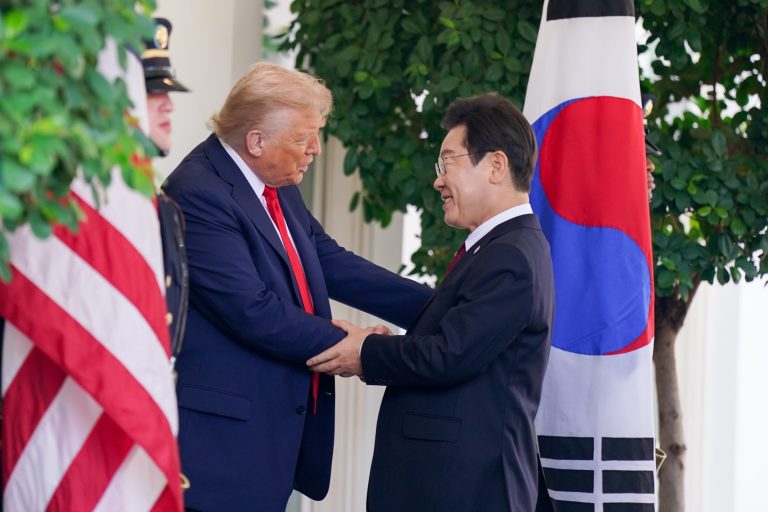
South Korea, one of Asia’s most dynamic economies and a critical player in global trade, is reportedly unable to pay the full $350 billion cash requirement tied to a major trade pact. This development has sparked concern among policymakers, investors, and trade partners who view South Korea as both a regional powerhouse and a vital link in global supply chains. The shortfall is not only a financial story—it raises deeper questions about liquidity, foreign reserves, and the future of international trade agreements.
The Background: South Korea’s Trade Commitments
As a highly export-driven economy, South Korea has long relied on trade pacts to secure access to global markets. From automobiles and semiconductors to consumer electronics and petrochemicals, its trade relationships fuel growth and employment.
The recent $350 billion cash obligation was part of a broader trade pact designed to stabilize exchange rates, ensure payment transparency, and strengthen trade flows. However, meeting this obligation in hard cash has proven to be a challenge for Seoul, forcing the government to explore alternatives.
Why South Korea Can’t Pay in Cash
Several factors explain South Korea’s difficulty in fulfilling the $350 billion cash requirement:
- Foreign Reserve Constraints: While South Korea holds significant foreign exchange reserves, they are not unlimited. Deploying $350 billion in cash at once could drain reserves and destabilize currency markets.
- Export Pressures: Global demand for South Korean exports has slowed, particularly in semiconductors—the backbone of its economy. This slowdown has limited the inflow of foreign currency earnings.
- Debt and Fiscal Balances: Like many advanced economies, South Korea has taken on higher levels of debt to support growth, manage COVID-19 recovery, and invest in technology. Cash liquidity at this scale is difficult without impacting other priorities.
- Currency Stability: Paying such a large amount in cash could put downward pressure on the Korean won, triggering volatility in regional forex markets.
Implications for the Trade Pact
The inability to meet the full cash requirement could have ripple effects:
- Renegotiation Pressure: South Korea may push for renegotiations to allow payment through alternative means such as bonds, phased installments, or trade credits.
- Partner Concerns: Other countries in the pact may question South Korea’s ability to uphold agreements, potentially weakening trust in future negotiations.
- Global Market Reaction: Investors may see this as a sign of financial vulnerability, leading to increased volatility in South Korean equities and currency markets.
Broader Economic Impact
South Korea’s cash shortfall is not just about one trade pact—it reflects broader challenges in the global economy:
- Semiconductor Cycle: South Korea dominates global chip exports, but cyclical downturns in demand have tightened margins and foreign cash inflows.
- Energy Costs: As a resource-scarce country, South Korea relies heavily on imported energy. Rising global energy prices have further strained its trade balance.
- Geopolitical Factors: Tensions with North Korea, shifting U.S.-China relations, and rising protectionism all weigh on South Korea’s trade outlook.
Possible Solutions Seoul Might Pursue
- Phased Payments: Negotiating with trade partners to spread the $350 billion obligation over several years.
- Bond Issuance: Using government-backed bonds or sovereign debt as a substitute for cash payment.
- Trade Credits: Leveraging exports (such as semiconductors, cars, and electronics) as payment offsets.
- Strategic Partnerships: Deepening bilateral agreements with the U.S., EU, and ASEAN to restructure obligations.
Each of these options would reduce immediate cash strain while preserving South Korea’s credibility in the global marketplace.
The Global Ripple Effects
The inability of South Korea to meet a massive cash obligation underscores the fragility of the current global trade system. If one of the world’s top-10 economies struggles to deliver on trade commitments, it raises larger questions about liquidity, capital flows, and the sustainability of large-scale pacts.
- For Asia: Neighboring economies tied to South Korea’s supply chain could see disruptions if confidence in Seoul’s financial stability wavers.
- For Investors: Global capital markets may reassess South Korea’s risk premium, impacting bond yields and stock valuations.
- For Trade Policy: Other nations may push for reforms in how trade pacts are structured, emphasizing flexibility over rigid cash requirements.
Final Thought
South Korea’s inability to pay $350 billion in cash under its trade pact is more than a short-term liquidity issue—it is a stress test for global trade structures. As one of the world’s most technologically advanced and export-driven nations, South Korea plays an outsized role in ensuring global economic stability.
Whether through renegotiation, phased payments, or creative financial instruments, South Korea will likely find a path forward. But the episode highlights a deeper reality: in an era of economic uncertainty and slowing growth, even the strongest economies may struggle to meet the rigid demands of global trade pacts.