






The $2.5 Trillion Ocean Economy Is at a Crossroads Capital Must Act Now
The ocean is the lifeblood of our planet—providing food, regulating the climate, supporting livelihoods, and powering a $2.5 trillion global economy. Yet today, that same ocean economy stands at a critical crossroads. Rising sea temperatures, overfishing, marine pollution, and unchecked coastal development are pushing marine ecosystems to the brink. The decisions made in the next decade—especially those driven by capital and investment—will determine whether the ocean remains a source of prosperity or becomes one of the world’s greatest economic and environmental failures.
The Ocean: A Vital Economic Engine
If the ocean were a nation, it would rank as the world’s seventh-largest economy. It underpins key global sectors such as fisheries, tourism, shipping, offshore energy, and biotechnology. More than 3 billion people rely on the ocean for their primary source of protein, and over 200 million jobs are directly linked to marine and coastal resources. From coral reefs that attract millions of tourists to shipping lanes that carry 90% of global trade, the ocean’s economic influence is both vast and deeply intertwined with human prosperity.
However, this immense value comes at a cost. Unsustainable practices have placed enormous pressure on the ocean’s natural systems. Climate change is acidifying waters, melting polar ice, and causing coral bleaching on an unprecedented scale. Pollution—from plastic waste to industrial runoff—has infiltrated even the most remote corners of the deep sea. Meanwhile, illegal and unregulated fishing continues to strip marine life faster than ecosystems can recover.
The Price of Inaction
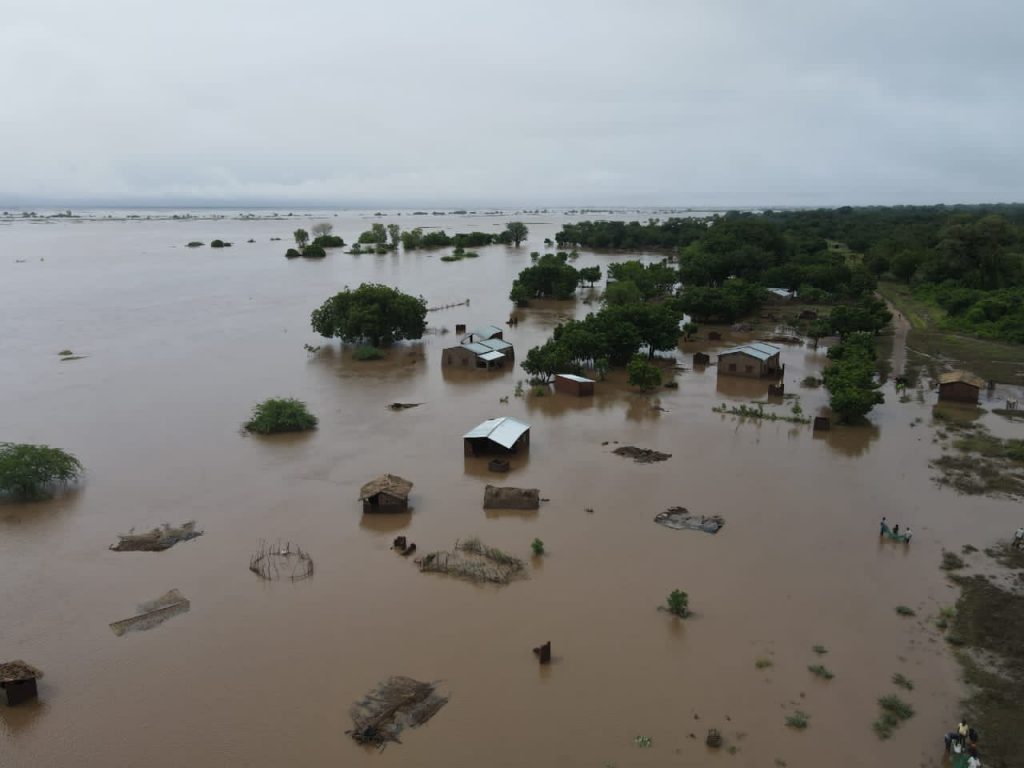
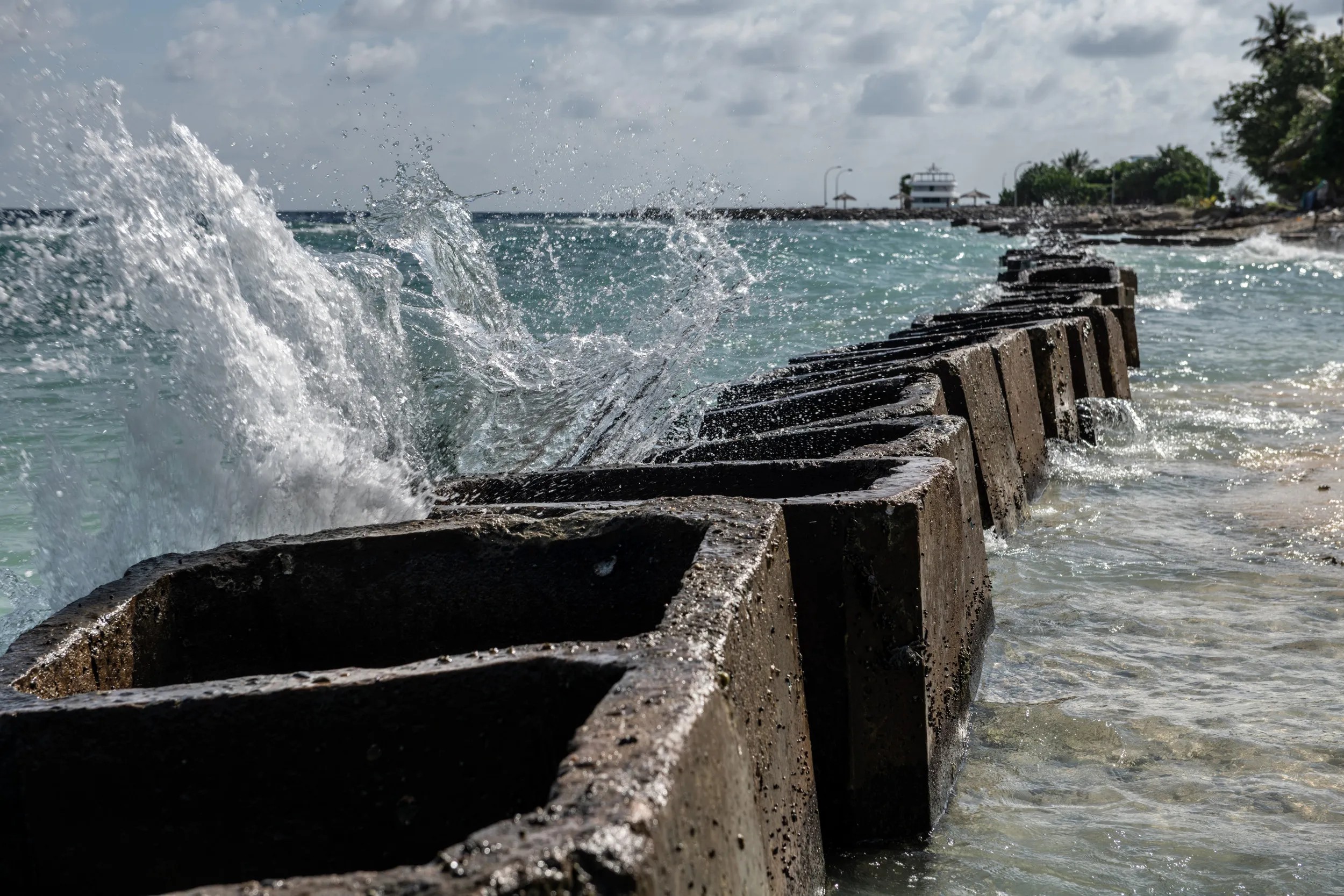
The numbers paint a sobering picture. According to the OECD, if current trends continue, ocean-based industries could lose up to $400 billion annually by 2050 due to climate-related disruptions and ecosystem degradation. Coastal infrastructure is increasingly at risk from rising sea levels, with potential global damages surpassing $1 trillion per year by mid-century.
Yet the greatest loss may not be economic—it’s ecological. The collapse of marine biodiversity threatens food security for millions in coastal nations. Coral reefs, often called the “rainforests of the sea,” have already lost over half of their global coverage. The ocean’s ability to absorb carbon dioxide—a natural defense against climate change—is weakening as temperatures rise.
This is not just an environmental issue. It is a financial one. The longer capital markets delay meaningful action, the higher the future cost of adaptation, restoration, and mitigation will become.
A Blue Investment Revolution
The solution lies in reimagining the way we value and finance the ocean. Blue finance—investment that supports ocean sustainability—has the potential to redefine how capital interacts with natural resources. This includes everything from renewable ocean energy and sustainable fisheries to marine conservation and low-carbon shipping.
Already, innovative instruments such as blue bonds and sustainability-linked loans are helping channel private capital into marine protection efforts. The Seychelles pioneered the world’s first blue bond in 2018, raising $15 million for sustainable fisheries and marine conservation. Since then, countries like Belize and Fiji have followed suit, demonstrating how financial innovation can fuel environmental resilience.
But the scale of the challenge demands far more. Experts estimate that achieving the UN’s Sustainable Development Goal 14—“Life Below Water”—requires at least $175 billion in annual investment by 2030. Currently, less than 1% of global climate finance is directed toward the ocean. This imbalance must change if the blue economy is to remain viable.
Private Capital’s Pivotal Role
Public funds and philanthropic initiatives, while vital, cannot meet the scale of the challenge alone. Institutional investors, sovereign wealth funds, and corporations must step up. Investing in the ocean is not charity—it’s a smart financial strategy. Sustainable aquaculture, renewable offshore energy, green ports, and eco-tourism are rapidly growing markets that offer both profit and purpose.
Furthermore, the transition to a sustainable blue economy can de-risk portfolios by reducing exposure to climate-related losses. Financial institutions that align their investments with marine sustainability will not only safeguard ecosystems but also ensure long-term economic resilience.
Policy and Corporate Accountability
Governments and corporations must collaborate to establish stronger frameworks for sustainable ocean governance. Clear regulations, transparency in supply chains, and measurable sustainability goals are essential. Businesses dependent on ocean resources—from seafood companies to shipping giants—must commit to traceability, decarbonization, and conservation.
Financial institutions can adopt ocean-positive principles, integrating marine health into environmental, social, and governance (ESG) frameworks. Similarly, policymakers should create incentives—such as tax breaks or blended finance structures—to attract private investment into blue economy projects.
The Future Depends on Bold Action
The ocean is not an infinite resource. It is a living system that sustains economies, regulates the planet, and connects us all. Protecting it is not just a moral duty—it is an economic imperative. The next phase of global growth depends on restoring ocean health, and that will only happen if capital moves decisively in the right direction.
Every investment decision—from energy infrastructure to consumer products—ripples across the blue economy. The question is not whether the world can afford to invest in the ocean; it’s whether we can afford not to.
Conclusion
The $2.5 trillion ocean economy stands at a defining moment. The choices investors, governments, and industries make today will determine whether the ocean continues to fuel growth and stability—or collapses under the weight of neglect.
Capital must act now—boldly, responsibly, and strategically. The ocean’s future, and our shared prosperity, depends on it.