







Prince Andrew Loses All Titles as King Charles Acts in Unprecedented Move
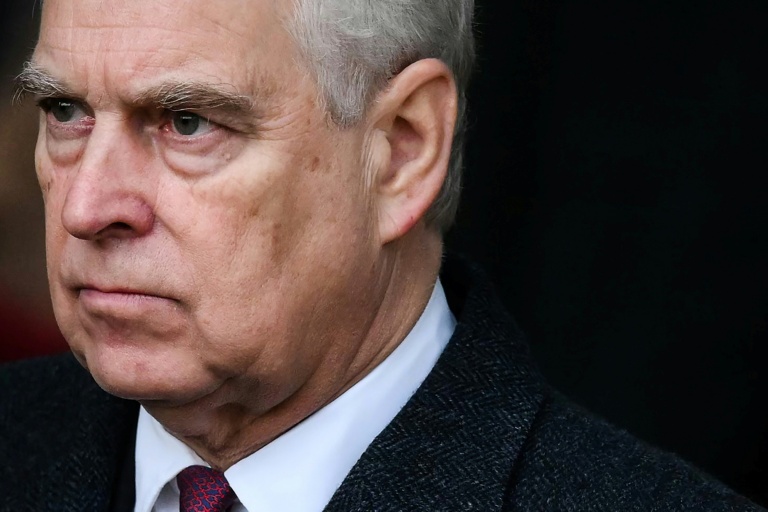
In a historic and unprecedented decision, King Charles III has stripped his younger brother, Prince Andrew, of all royal titles, honors, and privileges. The move marks the most significant royal demotion in over a century and underscores the King’s determination to protect the integrity of the British monarchy.
A Historic Royal Shake-Up
Buckingham Palace confirmed the decision on Thursday, stating that Andrew will no longer be referred to as “Prince Andrew.” He will instead use his birth name, Andrew Mountbatten-Windsor, marking the end of his formal royal status.
The statement from the Palace read:
“These censures are deemed necessary, notwithstanding the fact that he continues to deny the allegations against him. Their Majesties wish to make clear that their thoughts and utmost sympathies remain with the victims and survivors of all forms of abuse.”
This marks the first instance since 1919 that a British prince has lost his title — the last being Prince Ernest Augustus, who was stripped of his honors for siding with Germany during World War I.
Loss of Titles, Honors, and Residence
In addition to losing the title of Prince, Andrew has also been stripped of Duke of York, Earl of Inverness, and Baron Killyleagh. His long-held styles — His Royal Highness, Knight Grand Cross of the Royal Victorian Order, and Order of the Garter — have also been rescinded.
Buckingham Palace further confirmed that Andrew is to vacate Royal Lodge, his long-time 30-room residence in Windsor. The property’s lease will be terminated, and he is expected to relocate to private accommodation on the Sandringham estate.
Public backlash intensified after reports revealed Andrew had been paying a nominal rent of “one peppercorn a year” for Royal Lodge — a deal criticized heavily following a Freedom of Information disclosure.
The Epstein Scandal and Renewed Fallout
Prince Andrew’s fall from grace is deeply intertwined with his long-standing association with Jeffrey Epstein, the convicted sex offender whose criminal network has implicated several global figures.
The recent release of Virginia Giuffre’s memoir in October reignited scrutiny. Giuffre, who died earlier this year, had accused Andrew of sexual misconduct when she was 17 — allegations he has repeatedly denied.
Despite settling Giuffre’s civil lawsuit in 2022, public trust and institutional confidence in Andrew have continued to deteriorate. The Palace’s latest action appears to be the final step in severing his public role entirely.
A Divided Yet Resolute Royal Family
Sources close to the royal household confirm that both Prince William and Princess Catherine fully support the King’s decision. The royal family has reportedly “closed ranks,” emphasizing unity and a renewed focus on public duty.
Andrew’s ex-wife, Sarah Ferguson, who has lived with him at Royal Lodge despite their 1996 divorce, will also vacate the property. She will no longer use the title Duchess of York. Their daughters, Princess Beatrice and Princess Eugenie, however, will retain their royal titles and duties.
What This Means for the Monarchy
This move aligns with King Charles’ long-term strategy to streamline the monarchy and reinforce accountability within the royal institution. Analysts view the decision as a signal that personal scandal will no longer be tolerated, regardless of rank.
Government officials have expressed support for the King’s decision, calling it “a necessary step to uphold the dignity and moral authority of the Crown.”
At 65, Andrew now faces an isolated existence away from public life — a far cry from his former position as one of Queen Elizabeth II’s favored sons.
The End of a Royal Era
Prince Andrew’s downfall is a sobering reminder that no title is immune from accountability. Once a symbol of royal privilege, he now begins life as an ordinary citizen — Andrew Mountbatten-Windsor — living quietly, and far from the grandeur he once knew.