







U.S. Circulates UN Draft Resolution for Gaza Security Force with Two-Year Mandate
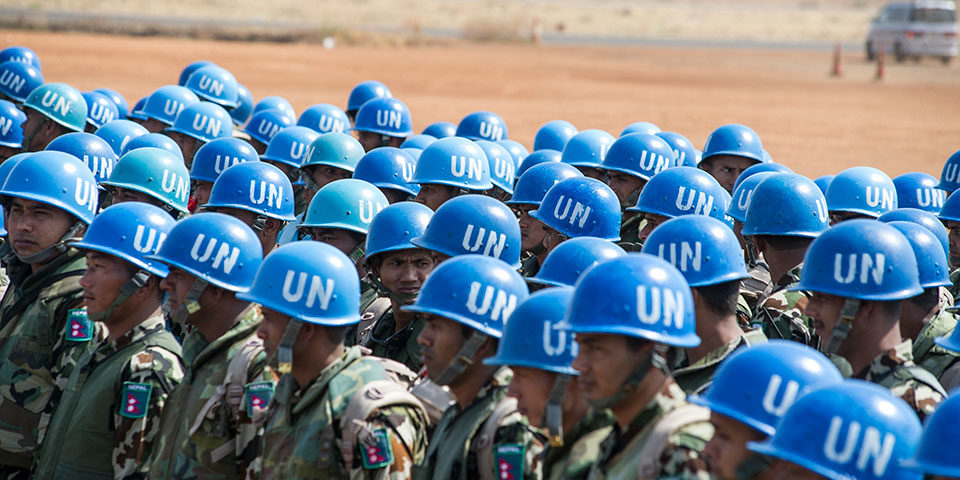
The United States has formally circulated a draft resolution to members of the United Nations Security Council (UNSC) proposing the deployment of an International Stabilization Force (ISF) in the Gaza Strip. The resolution outlines a two-year mandate, aiming to deploy troops by January 2026, with operations continuing through 2027.
Mission Objectives and Structure
The ISF would not be a traditional UN peacekeeping mission but rather an enforcement force, tasked with:
- Overseeing the demilitarization of Gaza
- Securing borders with Israel and Egypt
- Protecting civilians
- Facilitating humanitarian operations
The force would operate under a unified command, in close coordination with Israel, Egypt, and a newly trained Palestinian police force.
Governance: The Board of Peace
A key component of the draft is the creation of a “Board of Peace”, a transitional governance body with international legal status. This board would:
- Coordinate reconstruction efforts
- Manage civil administration
- Oversee funding until the Palestinian Authority completes its reform program
Diplomatic Sensitivities and Legal Framework
The resolution, described as “sensitive but unclassified,” reflects Washington’s urgency to stabilize Gaza following months of conflict. A vote on the draft could take place within weeks, with diplomatic negotiations already underway.
While the proposal aligns closely with Israeli security concerns—particularly the emphasis on disarmament—it avoids invoking Chapter VII of the UN Charter, meaning the ISF would not carry the same legal status as other UN peacekeeping missions like UNIFIL in Lebanon.
Regional Reactions and Strategic Shift
Arab states, including Egypt and Jordan, had previously advocated for a peacekeeping rather than peace-enforcing mission. However, the U.S. draft marks a significant shift in international strategy, prioritizing security enforcement and reconstruction over traditional peacekeeping frameworks.
If approved, the ISF would represent the most substantial international intervention in Gaza in recent history, potentially reshaping the region’s post-war landscape.