








China’s Premier Li Qiang Projects $23.8 Trillion Economy by 2030, Urges Fairer Global Trade Integration
China’s Premier Li Qiang announced that the nation’s economy is expected to exceed US $23.8 trillion by 2030, reaffirming the country’s long-term economic resilience and ambition to strengthen global trade partnerships.
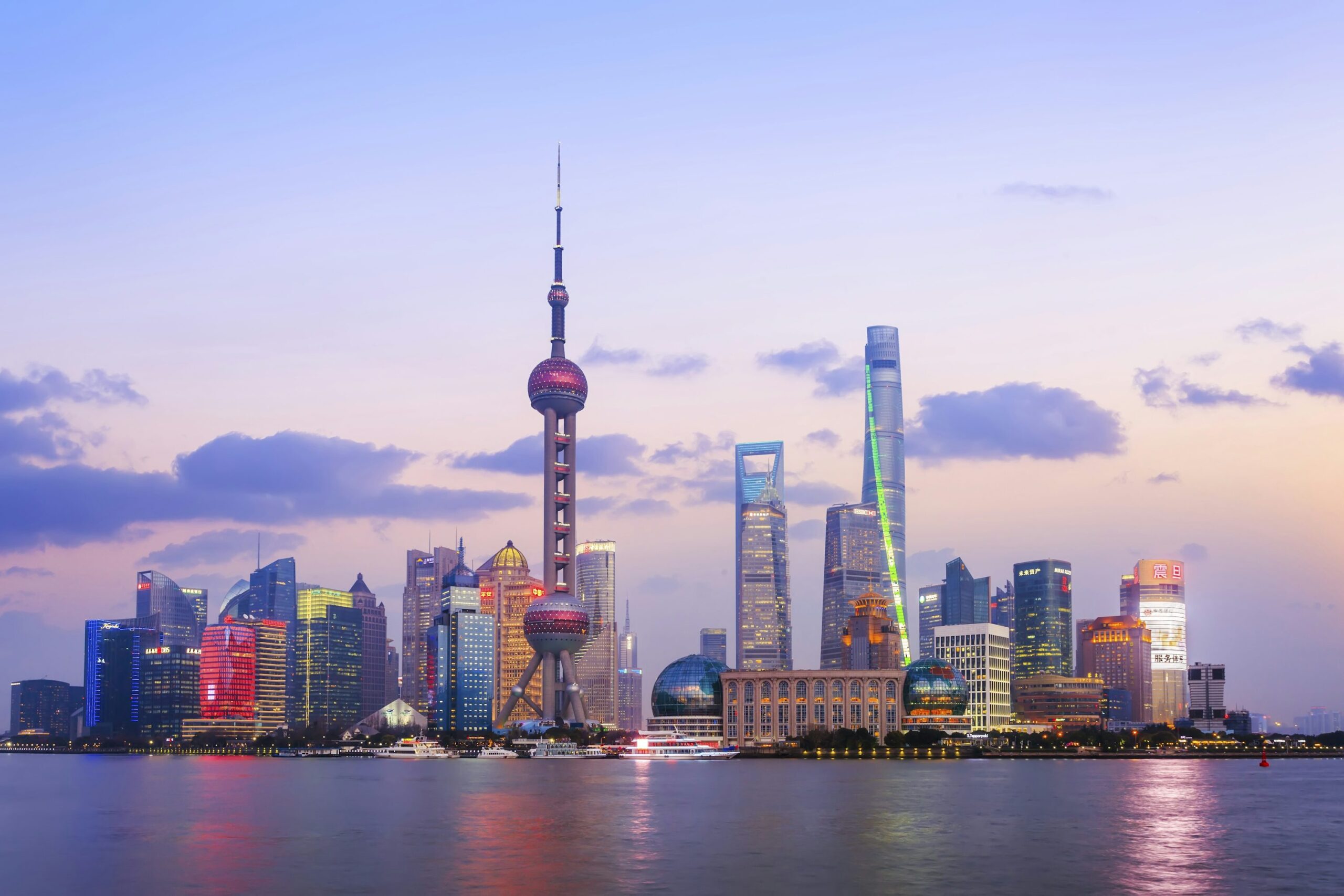
Speaking at the China International Import Expo (CIIE) 2025 in Shanghai, Li emphasized that economic growth must go hand-in-hand with fairness, transparency, and global cooperation, calling for deeper integration between China and international markets.
“China will continue to expand its openness and promote an environment of fair, inclusive trade,” Li stated, urging nations to “reject protectionism and embrace shared prosperity.”
China’s Economic Ambition for 2030
Premier Li’s speech underlined China’s transition from export-driven growth toward a more innovation- and consumption-led economy.
According to projections from China’s Ministry of Commerce, the country’s GDP could grow beyond 170 trillion yuan ($23.8 trillion) by 2030 — securing its place as a global economic powerhouse.
Key focus areas include:
- Expanding domestic consumption through income reforms.
- Promoting high-tech industries like AI, green energy, and digital manufacturing.
- Encouraging sustainable development to balance economic expansion with environmental goals.
Global Trade Integration and Policy Shifts
Li Qiang emphasized that China will continue opening its markets and improving market access for foreign investors, particularly in the finance, services, and manufacturing sectors.
He reaffirmed China’s support for:
- World Trade Organization (WTO) reforms that ensure equal treatment for developing economies.
- Regional cooperation through the Regional Comprehensive Economic Partnership (RCEP) and Belt and Road Initiative (BRI).
- Global supply chain stability, reducing trade friction and geopolitical tension.
Economists say these measures aim to boost investor confidence and stabilize foreign trade flows, especially amid slowing exports to Western economies.
Economic Challenges Ahead
Despite the optimism, analysts caution that China faces headwinds including:
- Weak global demand and manufacturing slowdowns.
- High youth unemployment and real-estate debt pressures.
- Ongoing U.S.–China trade tensions and technology restrictions.
Nevertheless, Li’s reaffirmation of policy stability and open trade sent positive signals to Asian and global markets.
Regional and Global Impact
A stronger China could significantly influence Asian economic integration:
- ASEAN countries may see a rise in exports due to China’s import expansion plans.
- African and Middle Eastern partners could benefit from infrastructure and energy collaboration.
- European markets may experience renewed bilateral trade opportunities under improved access frameworks.
Experts believe China’s efforts to promote fair global trade could help rebalance global economic influence over the next decade.
Conclusion
Premier Li Qiang’s $23.8 trillion vision symbolizes China’s determination to remain a driving force in global growth while promoting fairer trade systems and inclusive development. As Beijing pursues greater integration and reforms, the world will be watching how these commitments translate into practical, long-term outcomes for the global economy.