



Zohran Mamdani Elected New York City Mayor — First Muslim and Youngest Leader in Over a Century
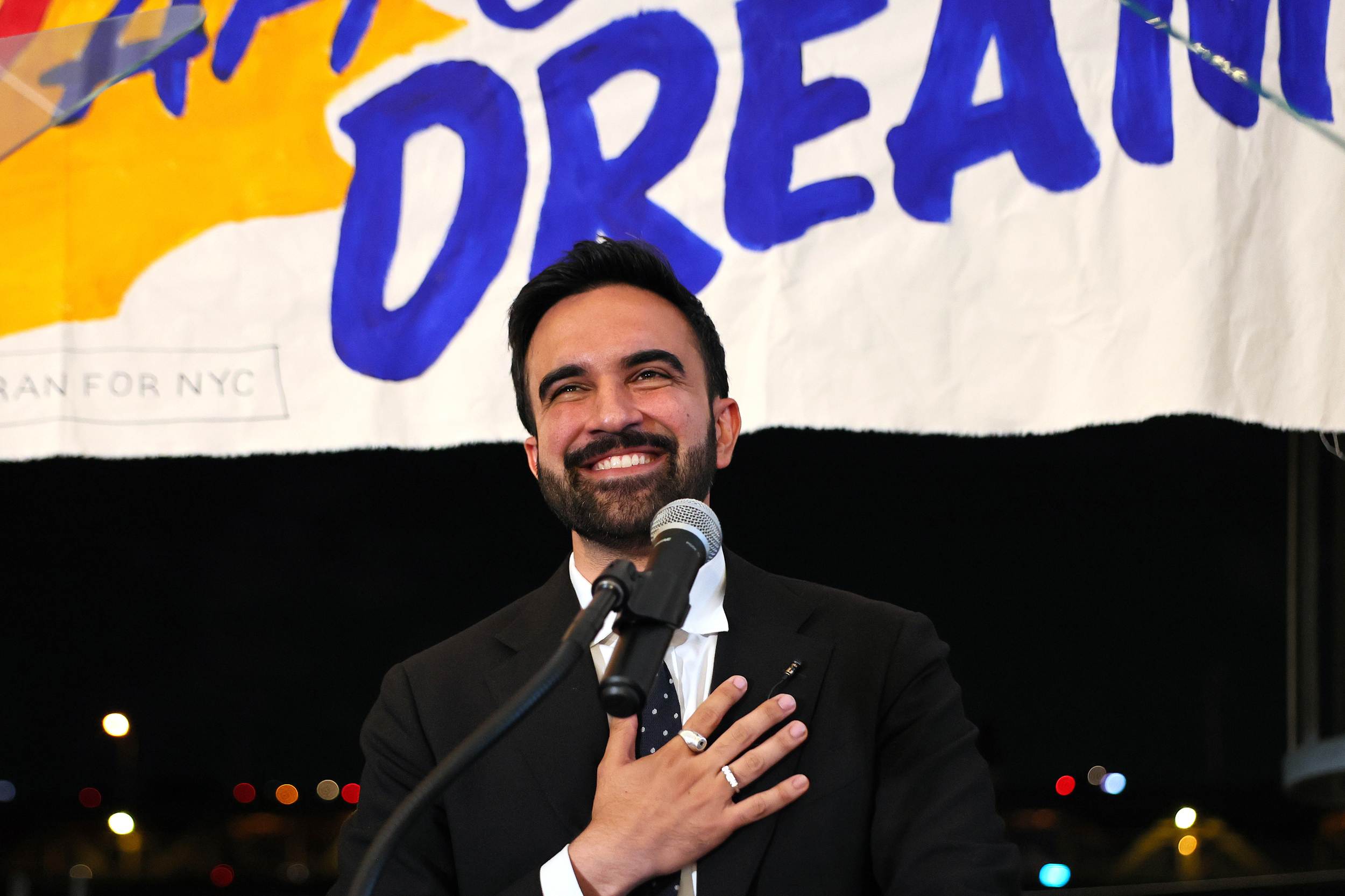
In a landmark election that captured global attention, Zohran Mamdani, a 34-year-old state assembly member from Queens, was elected as the 111th Mayor of New York City, defeating veteran politician Andrew Cuomo and Republican candidate Curtis Sliwa.
Mamdani, a Democratic Socialist and community activist, secured just over 50 percent of the vote, marking a decisive victory in one of the most competitive races in recent memory. The election outcome makes him New York’s first Muslim mayor and the youngest person to hold the position in over a century.
“This victory belongs to the people of New York — to the working class, to immigrants, and to everyone who believes that fairness and justice can guide government,” Mamdani declared during his victory speech in Brooklyn on Tuesday night.
A Grassroots Campaign That Redefined City Politics
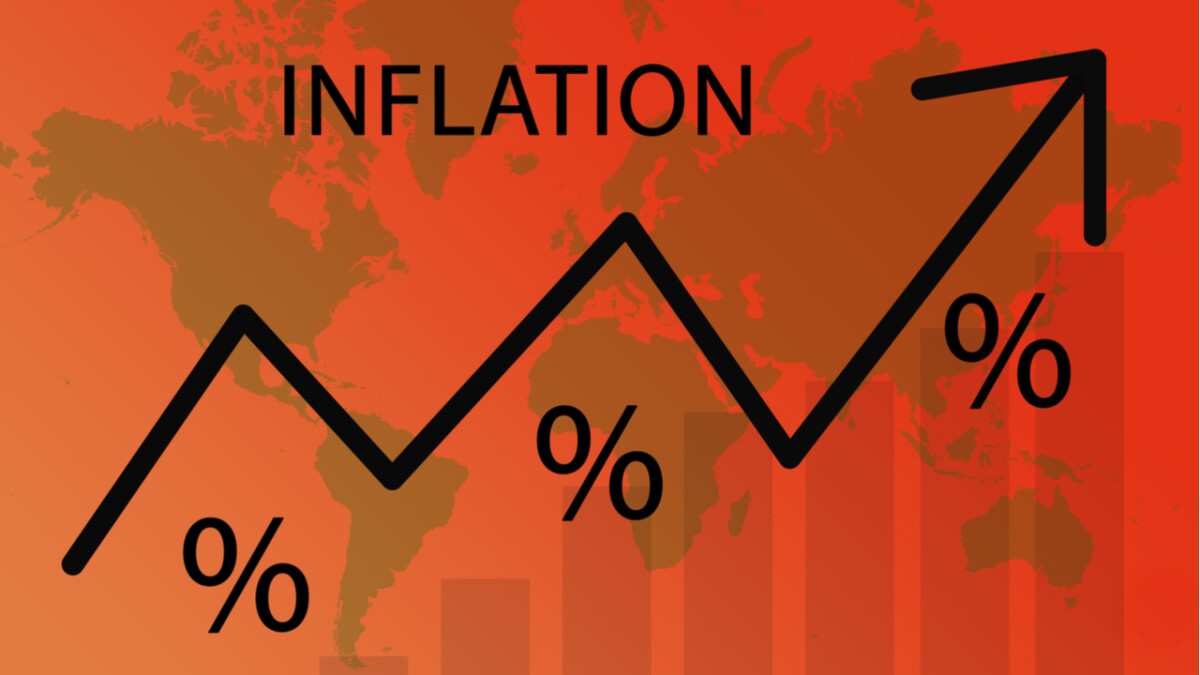
Mamdani’s campaign drew energy from grassroots organizations and youth movements, combining social justice ideals with economic reforms aimed at affordability and inclusion. His policies resonated deeply across boroughs hit hardest by inflation and housing shortages.
Key promises in his platform included:
- A $30/hour minimum wage to keep pace with living costs.
- Free citywide bus transit to improve mobility for low-income workers.
- A rent freeze for residents in rent-stabilized housing.
- Investment in affordable housing and public grocery stores to combat food insecurity.
Political analysts say Mamdani’s message of “New York for All” successfully united working-class voters, young progressives, and immigrant communities under a shared vision of equity and reform.
The Historic and Cultural Significance
Born in Kampala, Uganda, to Indian parents who later migrated to the U.S., Mamdani represents a diverse and inclusive future for American politics. His win carries symbolic weight — he is not only the first Muslim mayor of New York but also among the few first-generation immigrants to lead a major American city.
The election reflects the changing demographics and political mindset of urban America, where younger and more diverse populations are shaping the direction of local governance.
“It’s a defining moment for representation,” said political commentator Aisha Rahman. “For millions of Muslim and South-Asian Americans, this victory means their voice is now part of the mainstream political fabric.”
Challenges Await the New Administration
While the win is historic, Mamdani faces formidable challenges as he steps into office next January.
New York City continues to grapple with:
- Rising housing costs and homelessness.
- A strained public transportation system.
- Fiscal uncertainty amid declining federal support.
- Divisions between progressive city leadership and centrist state authorities.
Mamdani has pledged to balance progressive reforms with fiscal responsibility, though experts warn that implementing policies such as free transit and wage increases could test the city’s budgetary limits.
Economist David Lau commented, “His vision is ambitious. The success of his term will depend on pragmatic execution and maintaining investor confidence while delivering on social promises.”
National Implications — A Shift in U.S. Urban Politics
Mamdani’s rise is being viewed as part of a broader progressive resurgence in American city politics. His victory follows a string of left-leaning wins in municipal elections nationwide, including in Chicago and Boston.
Political observers suggest that his leadership could influence Democratic Party strategies ahead of the 2026 midterms, particularly in appealing to millennial and Gen Z voters.
Furthermore, international media outlets have highlighted his election as a symbol of America’s growing religious and cultural inclusivity, drawing praise from leaders in Europe and Asia.
What Comes Next
In the coming weeks, Mamdani is expected to announce his transition team, which will likely include a mix of experienced policymakers and grassroots organizers.
Key priorities for his first 100 days are expected to include:
- Introducing an affordable housing roadmap.
- Launching pilot programs for free bus transit in select boroughs.
- Reviewing city budget allocations to support social reforms.
- Rebuilding trust between the Mayor’s Office and local businesses.
Conclusion
Zohran Mamdani’s election marks a turning point in New York’s political landscape — one defined by diversity, inclusion, and a renewed commitment to equity. His victory story is not just about breaking barriers, but about reimagining how leadership can emerge from the grassroots level.
As the youngest and first Muslim mayor in the city’s history, Mamdani’s next chapter will determine whether his progressive ideals can translate into tangible results for millions of New Yorkers — and possibly inspire similar movements across America.