



Trump’s Pardon + Military Strikes: A Contradictory New Chapter in U.S. Anti-Drug Policy
🔎 What just happened
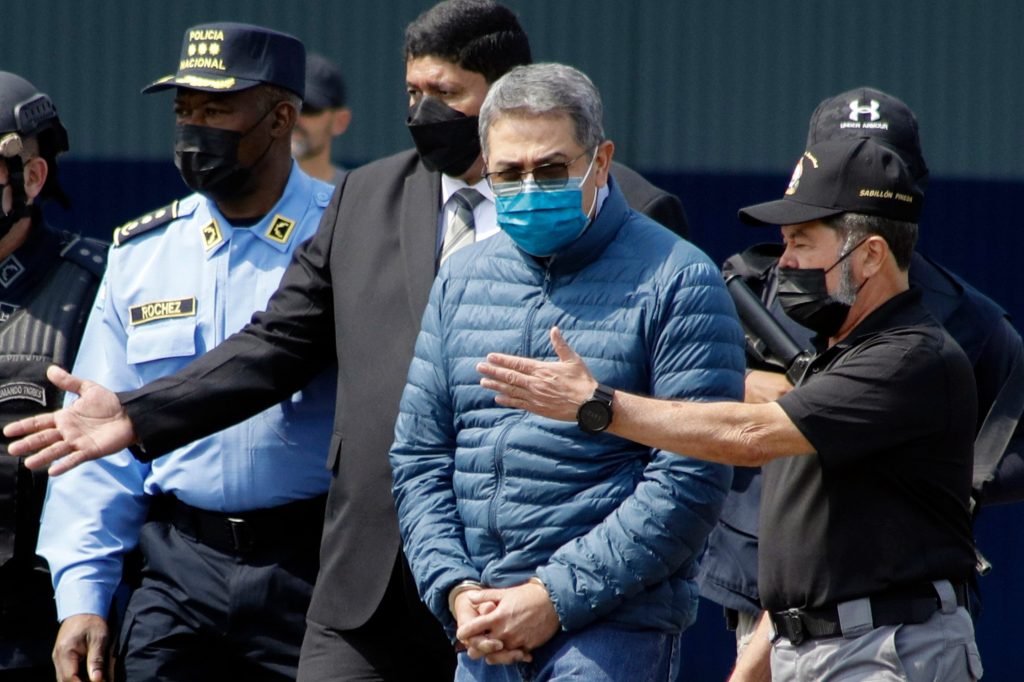
- Donald J. Trump announced that he will grant a full pardon to Juan Orlando Hernández, the former President of Honduras — convicted in 2024 for conspiring to import hundreds of tons of cocaine into the United States and weapons-related charges.
- At the same time, under Trump’s administration, the U.S. military has stepped up lethal operations at sea — striking suspected drug-smuggling boats in international waters around the Caribbean and Eastern Pacific.
These two actions — pardoning a convicted narco-state leader while continuing aggressive maritime anti-drug strikes — have triggered global debate over priorities, hypocrisy, and what “war on drugs” now means for U.S. foreign policy.
🧭 Why This Decision Matters
✅ The rationale given for the pardon
- Trump declared that Hernández had been “treated very harshly and unfairly,” according to “many people that I greatly respect.”
- The pardon also appears to carry strong political undertones: it comes just days before a Honduran election, and Trump publicly endorsed the conservative candidate Nasry ‘Tito’ Asfura.
- Supporters argue the pardon might help stabilize Honduras politically — potentially restoring U.S.–Honduras cooperation on broader issues (immigration, regional security) under a friendly government.
⚠️ The contradicted narrative: harsh drug-boat strikes
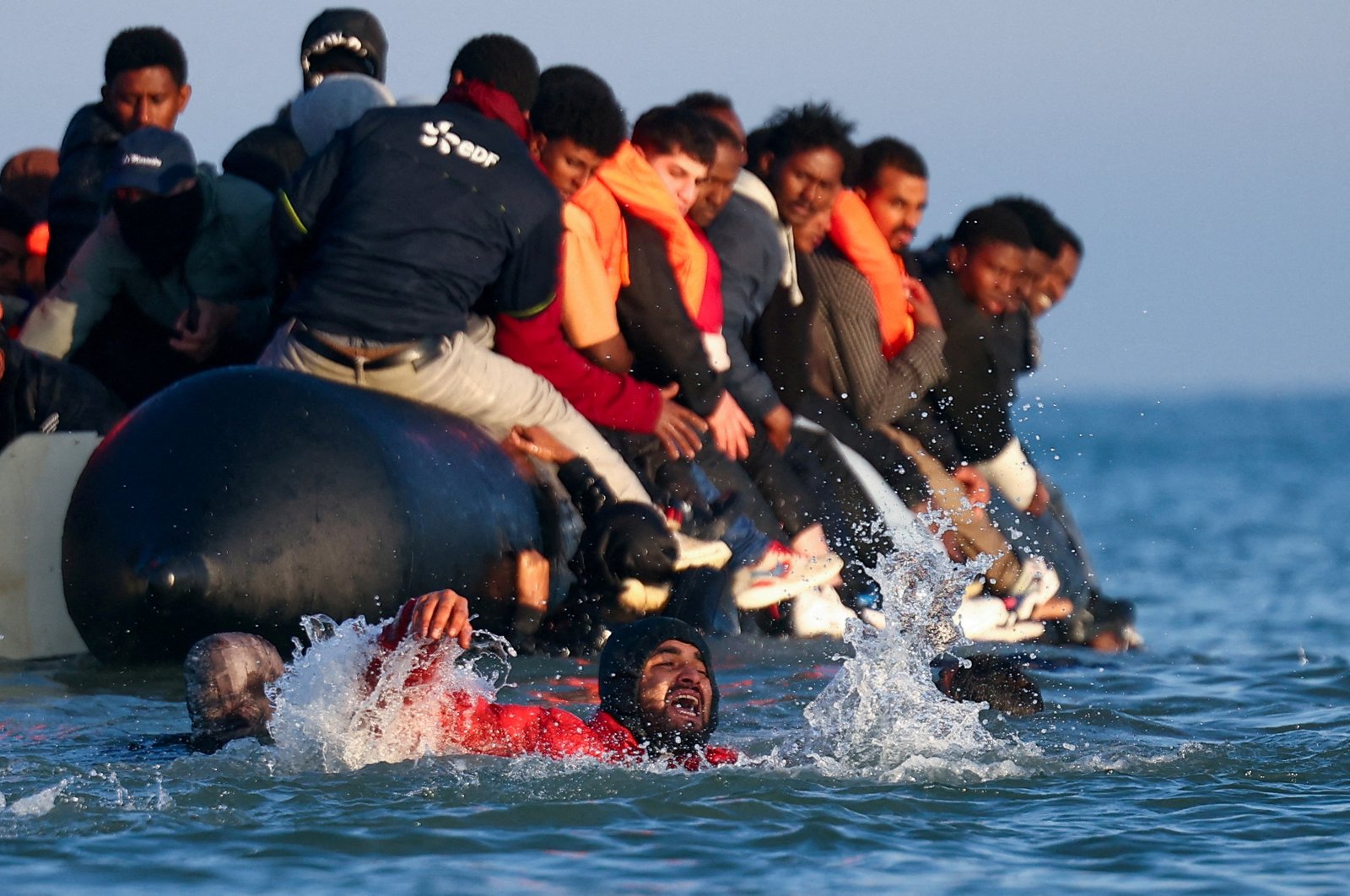
- Since September 2025, the U.S. has carried out dozens of air- and missile-strikes on vessels suspected of ferrying narcotics, under the military campaign named Operation Southern Spear.
- According to publicly available data, these operations have resulted in around 83 deaths and two captures across 21–22 vessels.
- The strikes target suspected traffickers and cartel-associated groups, which the U.S. labels “narco-terrorists.”
The paradox is stark: the U.S. is aggressively fighting drug smuggling at sea — yet pardoning a former head of state condemned for facilitating mass cocaine flows into the same country.
🌐 Implications: Geopolitical, Legal & Moral
🔹 Geopolitical & Regional Impact
- The pardon could reshape the upcoming Honduran election, potentially swinging the results in favor of conservative forces endorsed by the U.S.
- It may strain relations with regional partners opposing U.S. interference or military interventions, especially in Latin America and the Caribbean.
🔹 Legal, Human Rights & Credibility Concerns
- Critics argue the pardon undermines the credibility of the U.S. “war on drugs,” especially when paired with lethal strikes that have caused many deaths and raise questions about due process and international law.
- There is rising concern from human rights organizations and some U.S. lawmakers about extrajudicial killings at sea — especially when the targeted vessels had unverified allegations against them.
🔹 Message to Drug Cartels & Traffickers
- Pardoning a top-level trafficker might embolden cartel networks by signaling that even high-profile convictions can be reversed under political influence.
- On the flip side, continued maritime strikes send a message of U.S. willingness to use military force against lower-level smugglers — arguably shifting the “war” from courts to open waters.
📌 What This Means for Global Anti-Drug Strategy
The dual move by the U.S. — clemency for a convicted narco-state leader + military aggression against sea traffickers — may represent a paradigm shift in how Washington addresses drug trafficking.
- The strategy appears less focused on legal prosecution and more on political leverage and force-based deterrence.
- It potentially sets a precedent where political alliances override judicial verdicts, especially in geopolitically strategic regions.
- This could undermine long-term trust in institutions, encourage corruption, and raise questions about selective justice.
In effect, the global anti-drug strategy may be transitioning from law-based accountability to power-based suppression — with profound moral, legal, and geopolitical consequences.
🧠 Conclusion: A Controversial Crossroads
The decision by Donald Trump to pardon Juan Orlando Hernández while intensifying military strikes on suspected drug boats elsewhere sends a mixed — and deeply controversial — signal to the world. On one hand, the U.S. claims to be waging a “war on narcotics”; on the other, it undermines judicial outcomes by restoring a convicted trafficker to freedom.
Whether this strategy will curb drug flows — or simply recalibrate who bears the brunt of U.S. anti-drug efforts — remains uncertain. What is clear is that the global war on drugs has entered a new, unstable phase — where political alliances, military power, and foreign-policy ambitions may override justice, accountability, and human-rights norms.