






Dubai Faces Rising Climate Challenges Amid Extreme Heat and Sustainability Push
Dubai’s climate is defined by its harsh desert environment, marked by extremely hot summers, mild winters, and very low rainfall, making climate conditions a growing concern for both residents and policymakers. During the summer months, temperatures frequently rise above 45°C, with high humidity along the coast intensifying the heat and creating difficult living and working conditions. These extremes are becoming more pronounced as global climate change contributes to longer heatwaves and higher average temperatures in the region.
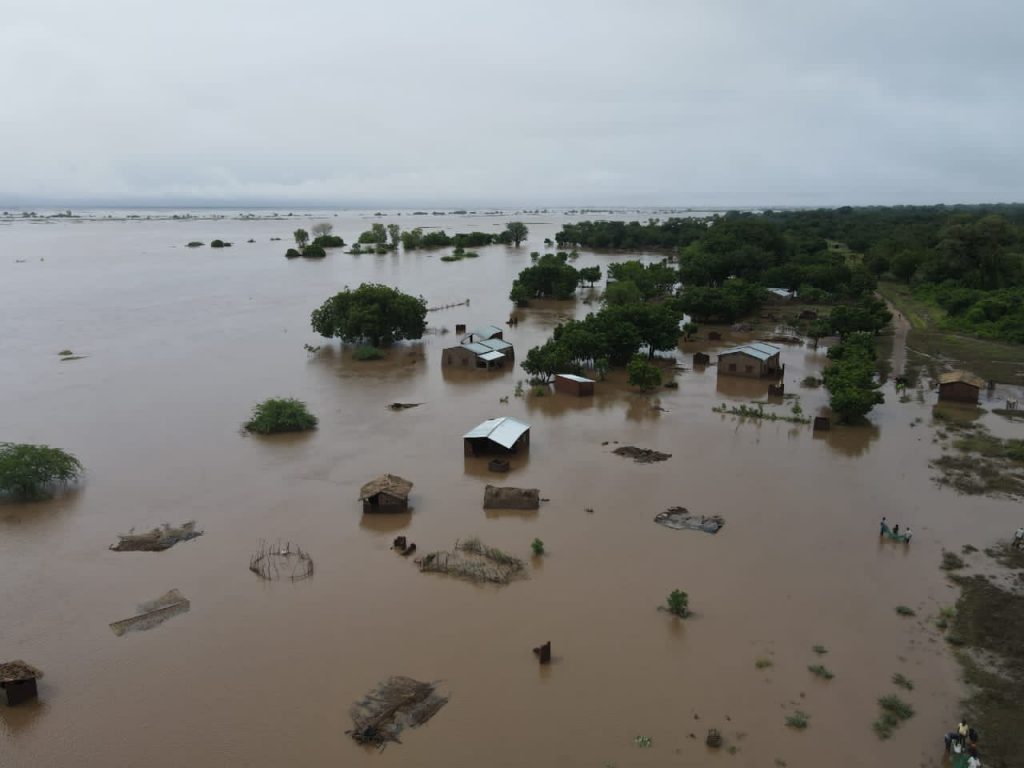
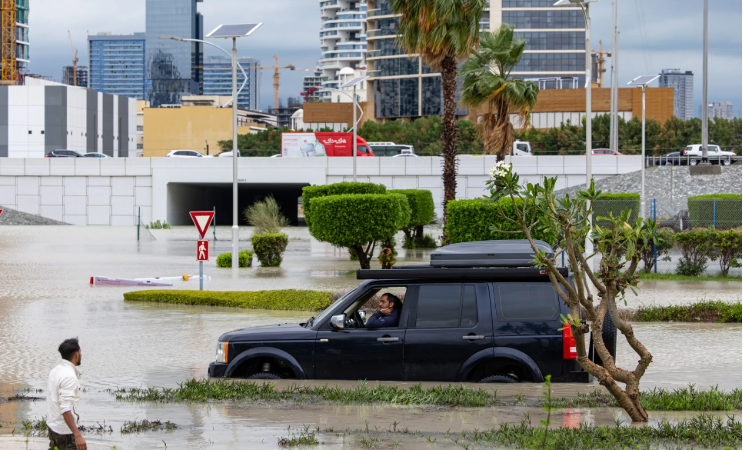
Rainfall in Dubai remains scarce and unpredictable, but recent years have seen occasional episodes of unusually heavy rain that have led to flash flooding, disrupting transport and urban infrastructure. Climate experts warn that such extreme weather events are likely to become more frequent, posing new challenges for a city built in an arid landscape.
In response, Dubai has increased its focus on climate resilience and sustainability. The government has invested heavily in renewable energy projects, including large-scale solar parks, while promoting energy-efficient buildings and water conservation technologies. Urban planning is increasingly incorporating green spaces, smart cooling systems, and sustainable transport to reduce the city’s carbon footprint and mitigate heat stress.
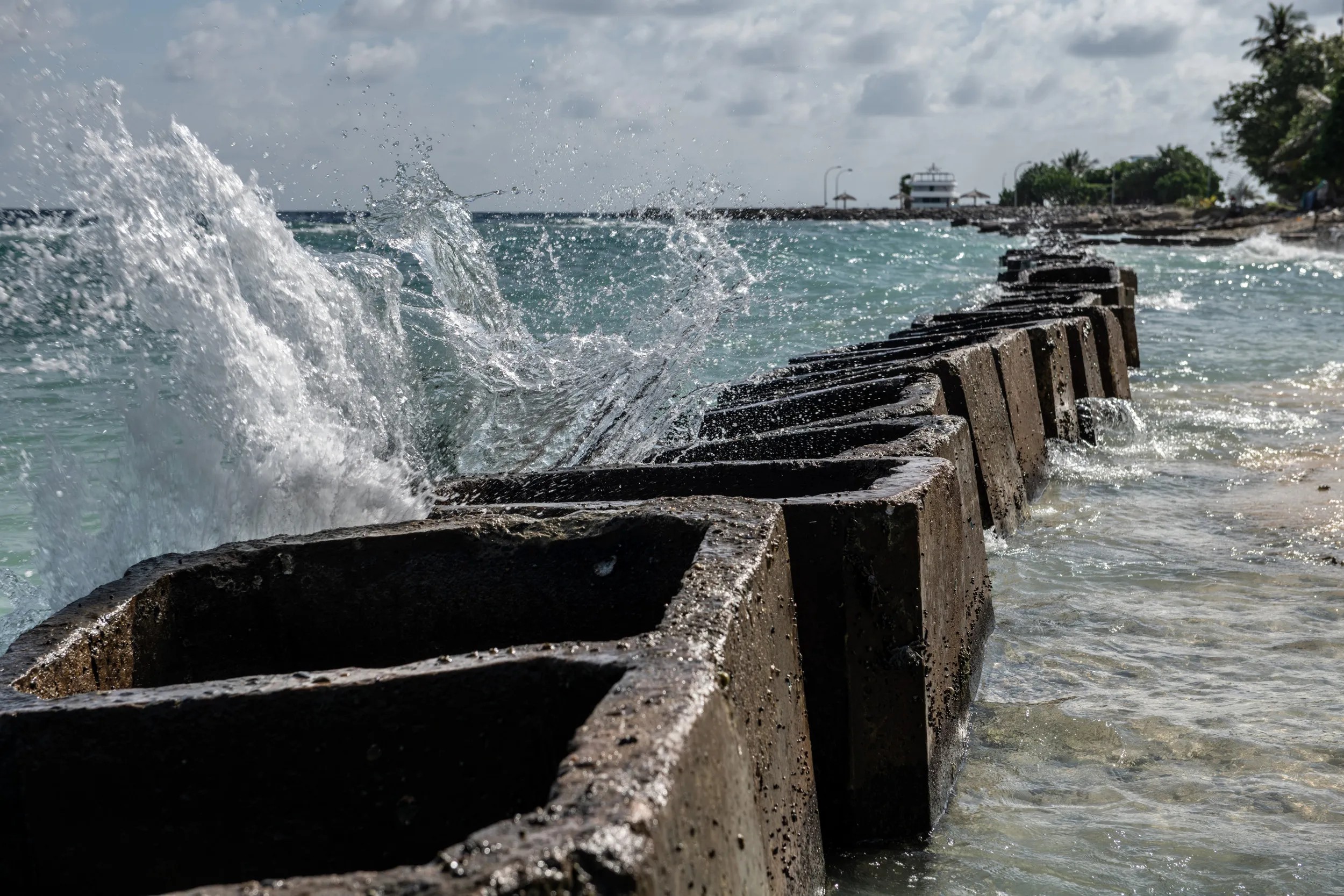
As Dubai continues to grow as a global hub for business and tourism, adapting to climate realities has become a priority. Balancing rapid development with environmental responsibility will be crucial to ensuring the city remains livable and resilient in the face of a changing climate.