






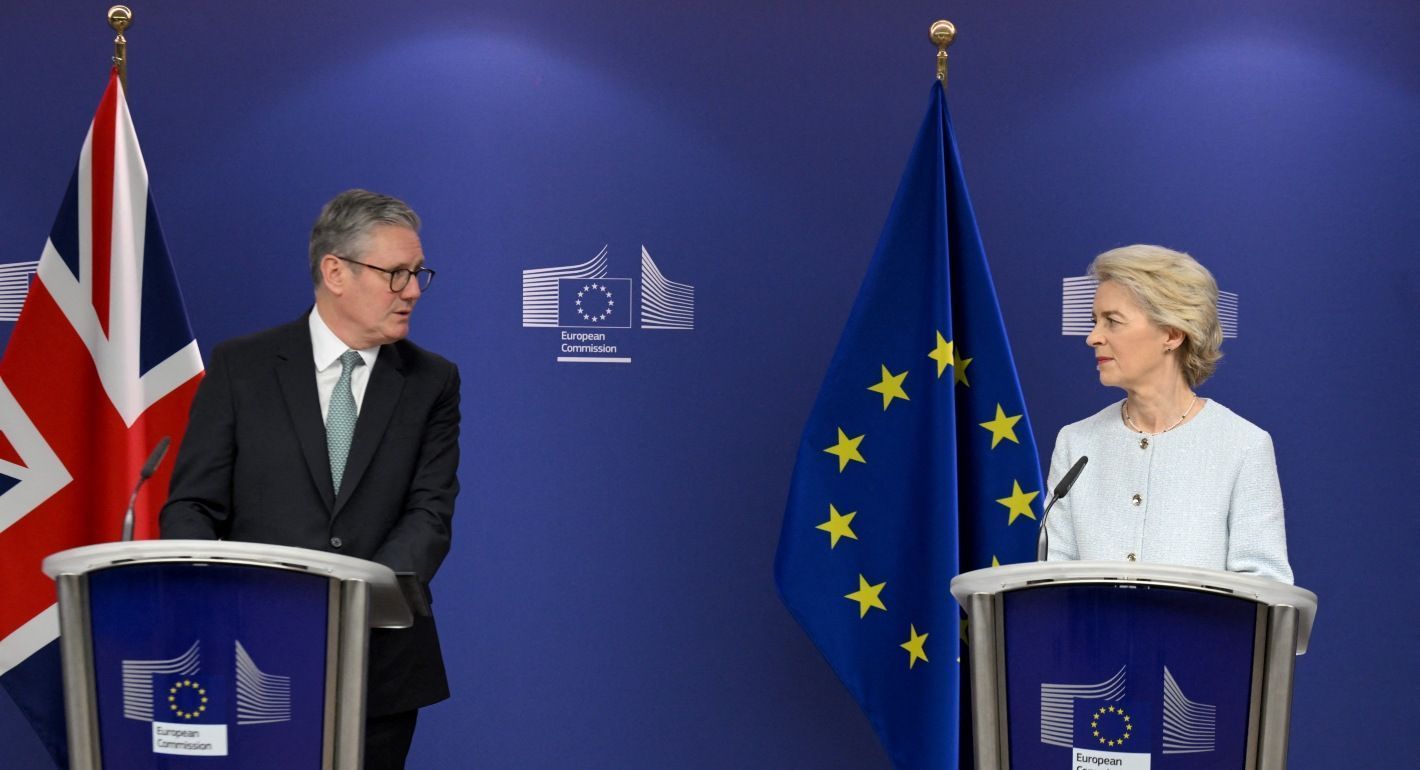
UK–EU Relations Face Turning Point as Political Lines Soften
Relations between the United Kingdom and the European Union appear to be entering a new and potentially pivotal phase as political positions on both sides show signs of softening after years of tension following Brexit. Recent signals from senior politicians, coupled with shifting public opinion, suggest a growing appetite for pragmatic cooperation rather than prolonged confrontation.
In Westminster, the tone of debate around Europe has noticeably changed. While a return to EU membership remains off the table, there is increasing discussion about improving trade arrangements, reducing bureaucratic barriers, and rebuilding trust with Brussels. Issues such as supply chain disruptions, rising business costs, and global economic uncertainty have pushed practical considerations to the forefront of political thinking.
Across the Channel, EU leaders have also indicated a willingness to reset relations, provided existing agreements are respected. European officials have emphasized stability and cooperation on shared challenges, including security, climate change, and migration. This more measured approach reflects a recognition that continued friction benefits neither side, particularly at a time of global instability.
Public opinion in the UK is playing a key role in this shift. Polls suggest that frustration with post-Brexit economic complications is growing, especially among younger voters and businesses reliant on European markets. This has increased pressure on political leaders to explore closer alignment in specific areas such as customs processes, research collaboration, and labor mobility, without reopening the broader Brexit debate.
Business groups and industry leaders have broadly welcomed the change in rhetoric, arguing that improved UK–EU relations could boost investment and economic confidence. They contend that even modest agreements could ease trade flows and help British firms compete more effectively on the global stage.
However, challenges remain. Strong divisions persist within political parties, and any move perceived as reversing Brexit commitments risks backlash from sections of the electorate. Negotiations are also likely to be complex, as both sides seek to protect their interests while avoiding the appearance of political concession.
Despite these obstacles, the current moment is widely seen as an opportunity to move beyond entrenched positions. As political lines soften and dialogue resumes, the UK and the EU may be approaching a turning point—one defined less by the arguments of the past and more by the practical demands of the future.