




Global Leaders Intensify Diplomatic Push for Peace Amid Rising International Tensions
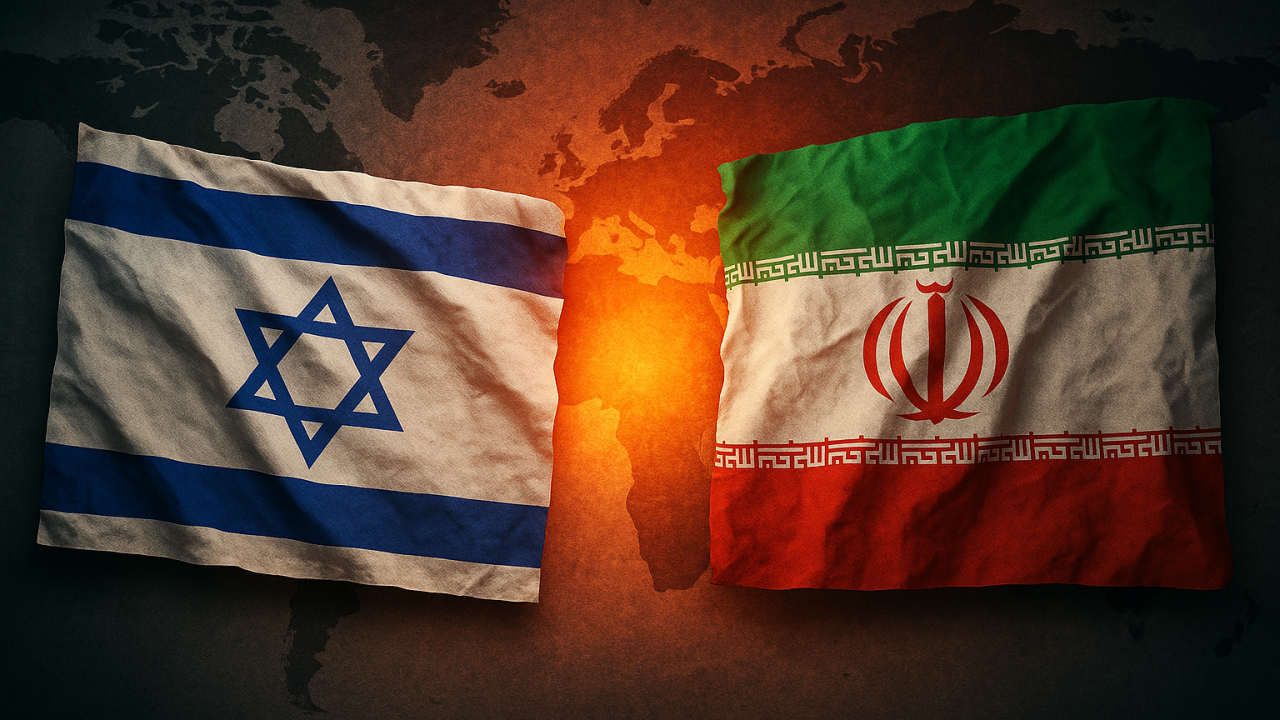
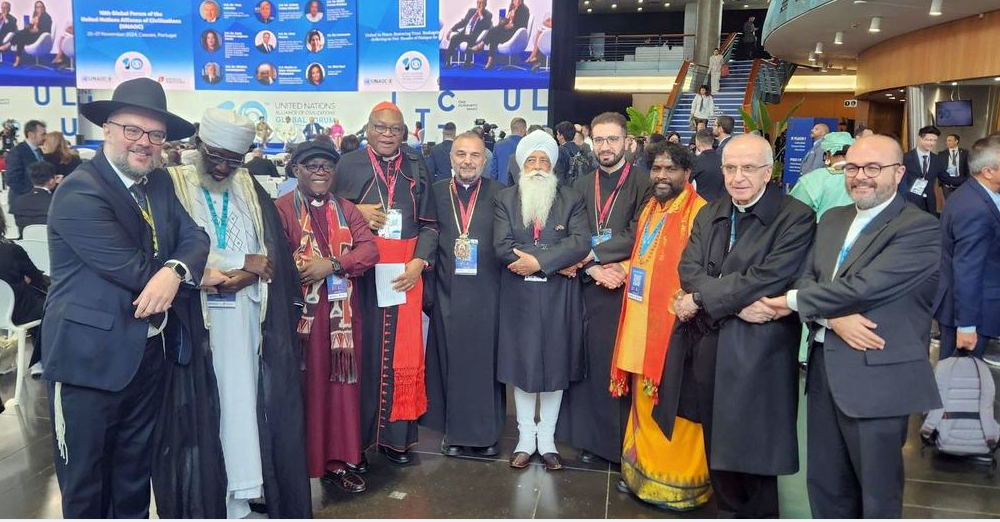
World leaders have stepped up diplomatic efforts this week as international tensions continue to rise across several regions, prompting renewed calls for dialogue, restraint, and peaceful resolution of conflicts. High-level meetings at the United Nations and other global forums have focused on preventing further escalation and addressing the humanitarian and economic consequences of prolonged political instability.
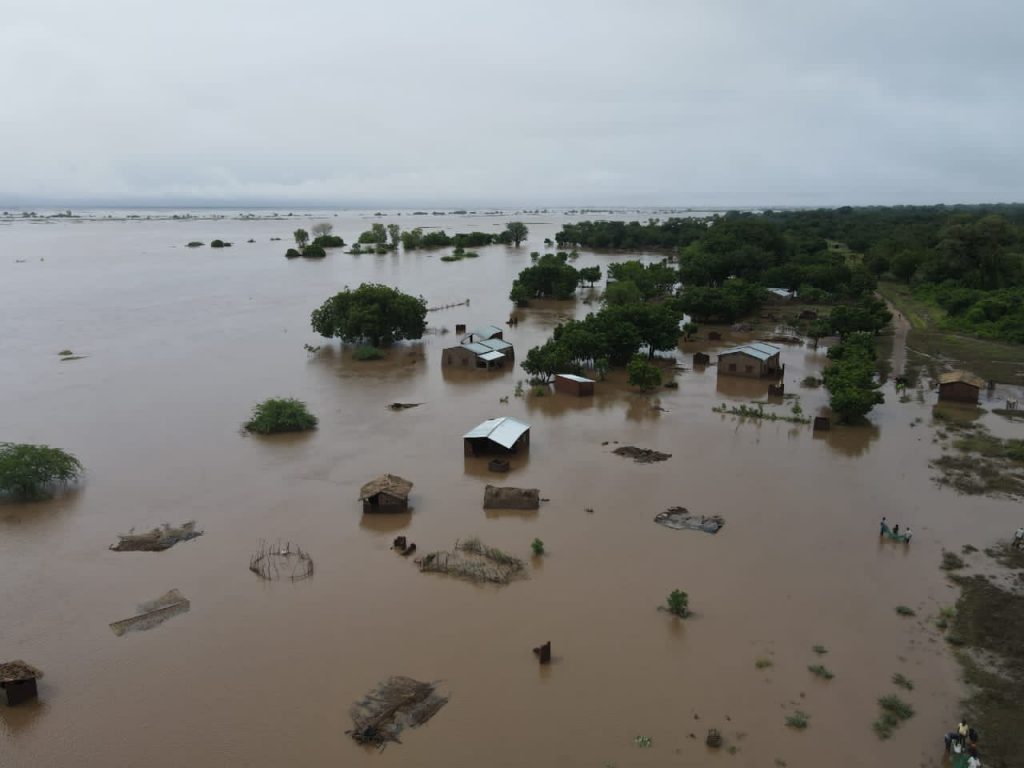
Representatives from major powers emphasized the urgent need to protect civilians and ensure uninterrupted humanitarian aid to affected populations. Several countries announced fresh commitments to humanitarian assistance, while stressing that lasting peace can only be achieved through negotiations rather than military solutions. Diplomats warned that ongoing conflicts are increasingly interconnected, with repercussions spreading far beyond national borders.
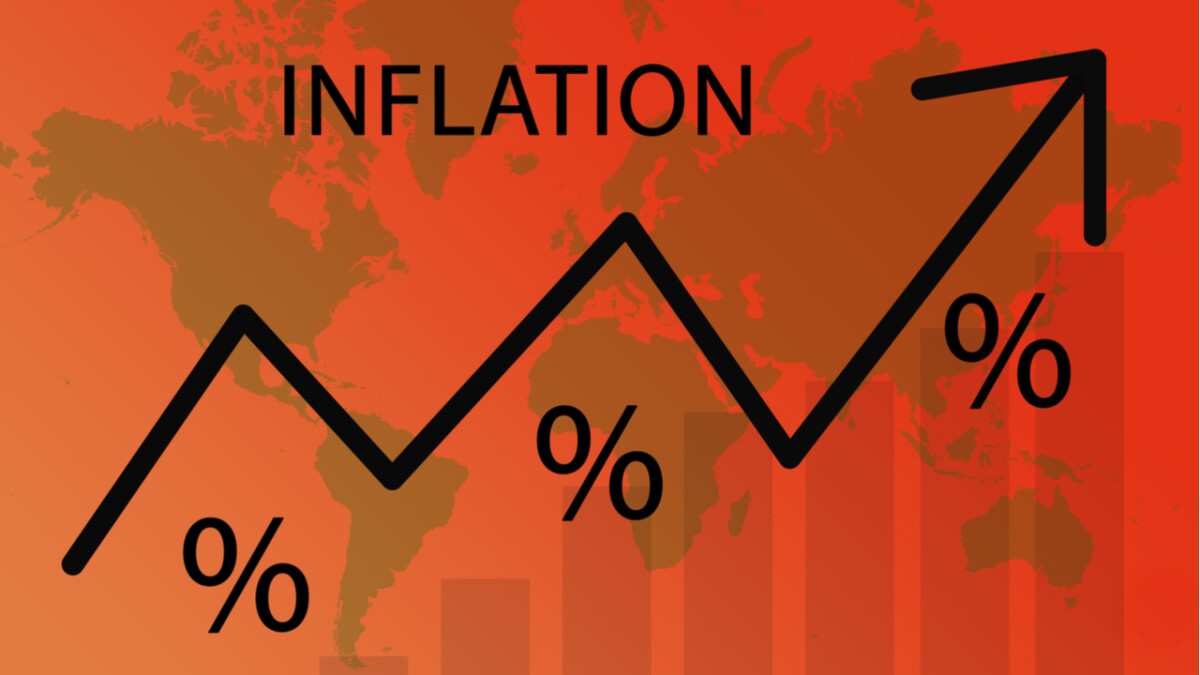
The discussions also highlighted concerns over global economic stability. Rising geopolitical tensions have contributed to uncertainty in energy markets, disrupted supply chains, and increased pressure on food prices worldwide. Developing nations, in particular, have called for stronger international cooperation, arguing that political conflicts are worsening inequality and slowing economic recovery.
At the same time, world leaders acknowledged growing public frustration over prolonged diplomatic deadlock. Calls for accountability, respect for international law, and adherence to ceasefire agreements featured prominently in official statements. Some leaders urged rival powers to rebuild trust through confidence-building measures, while others pushed for reforms to international institutions to better respond to modern crises.
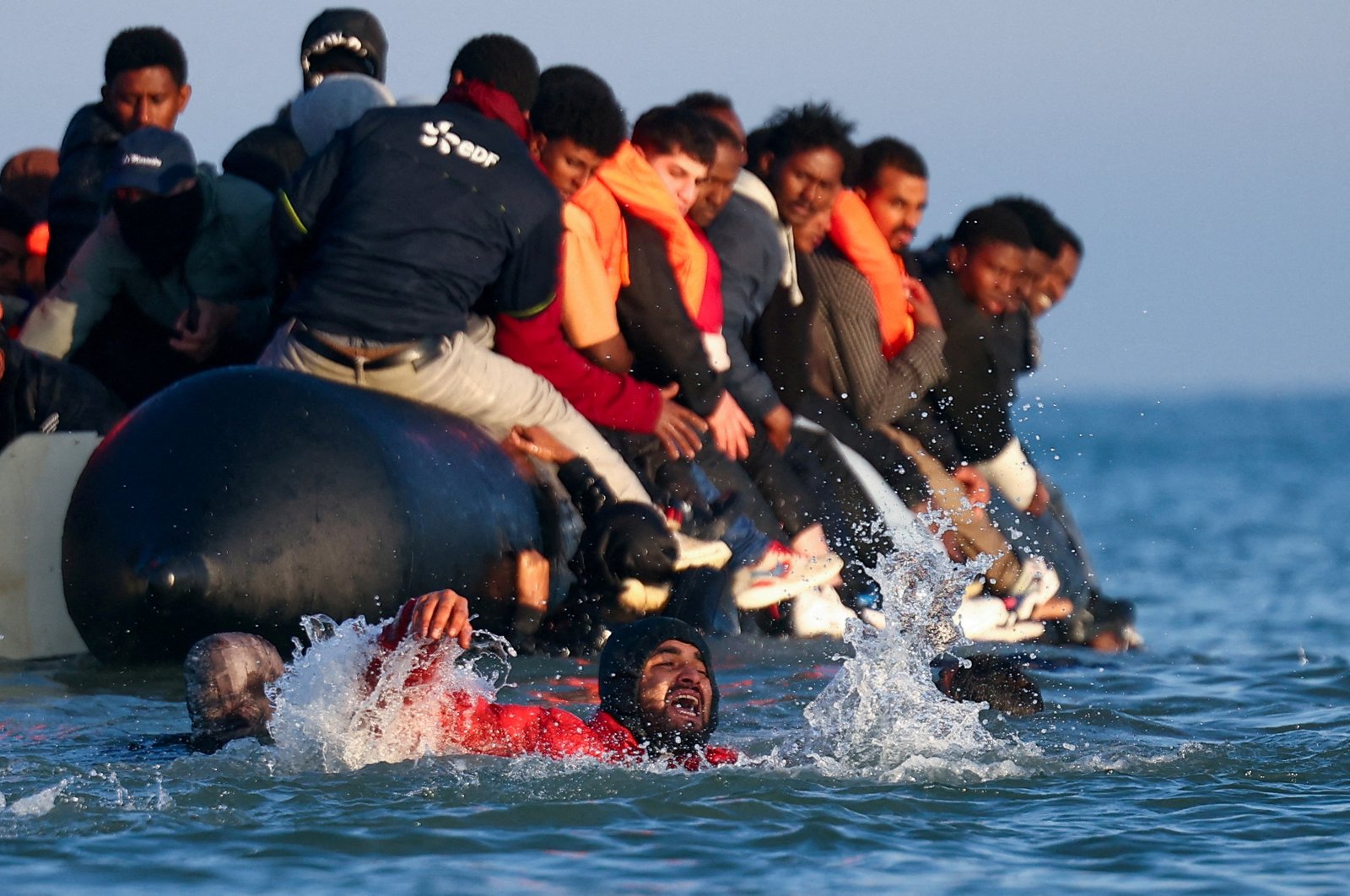
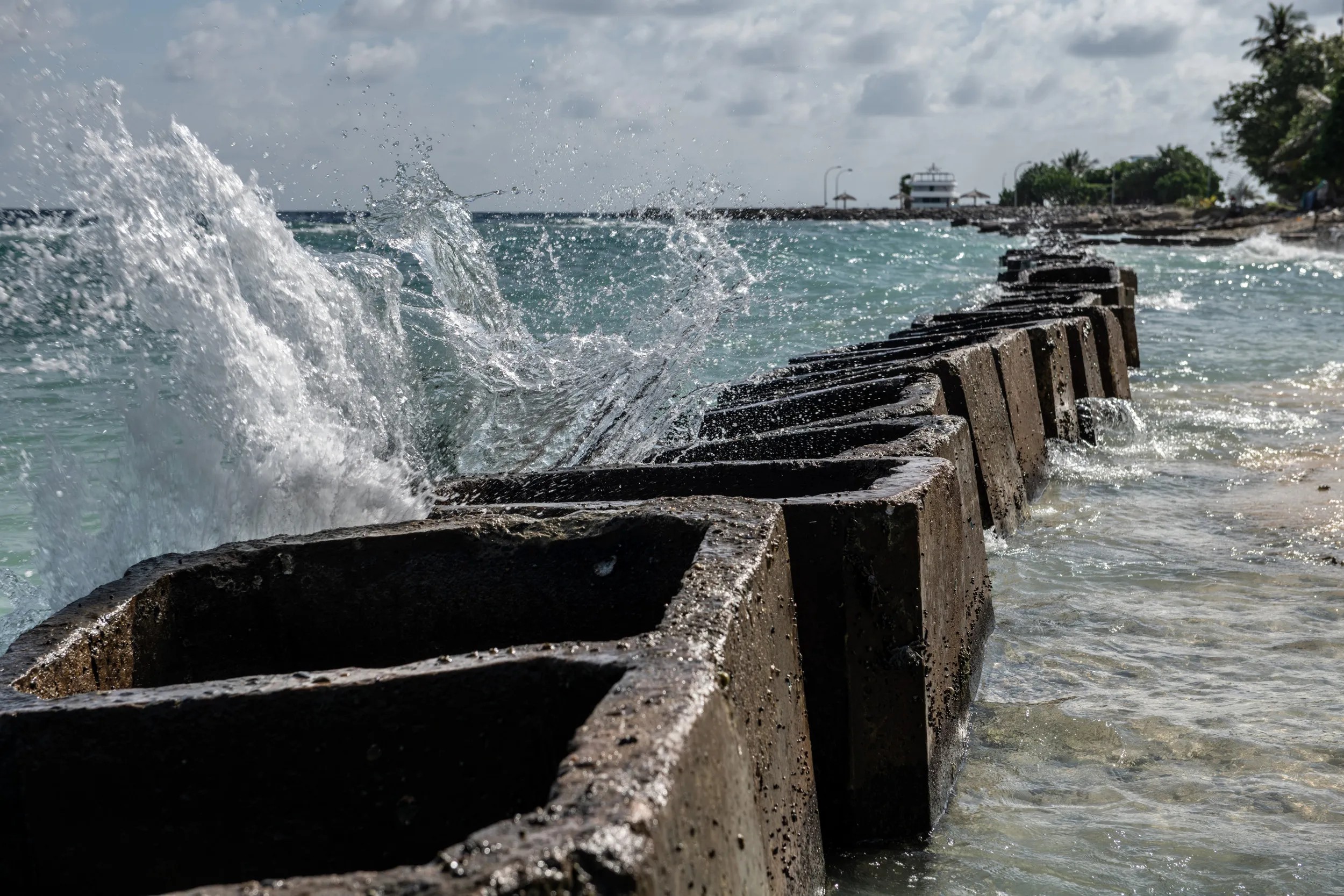
Political analysts note that the current wave of diplomacy reflects a recognition that unilateral action is no longer effective in addressing global challenges. Climate change, migration, economic instability, and security threats are increasingly intertwined, requiring coordinated international responses. While disagreements remain sharp, the renewed emphasis on dialogue signals a cautious shift toward diplomacy.
As talks continue, the international community faces a critical test. The success or failure of these diplomatic efforts could shape global politics for years to come, determining whether cooperation prevails over confrontation in an increasingly complex and interconnected world.