





Rising Tensions in the South China Sea Worry Asia and the World
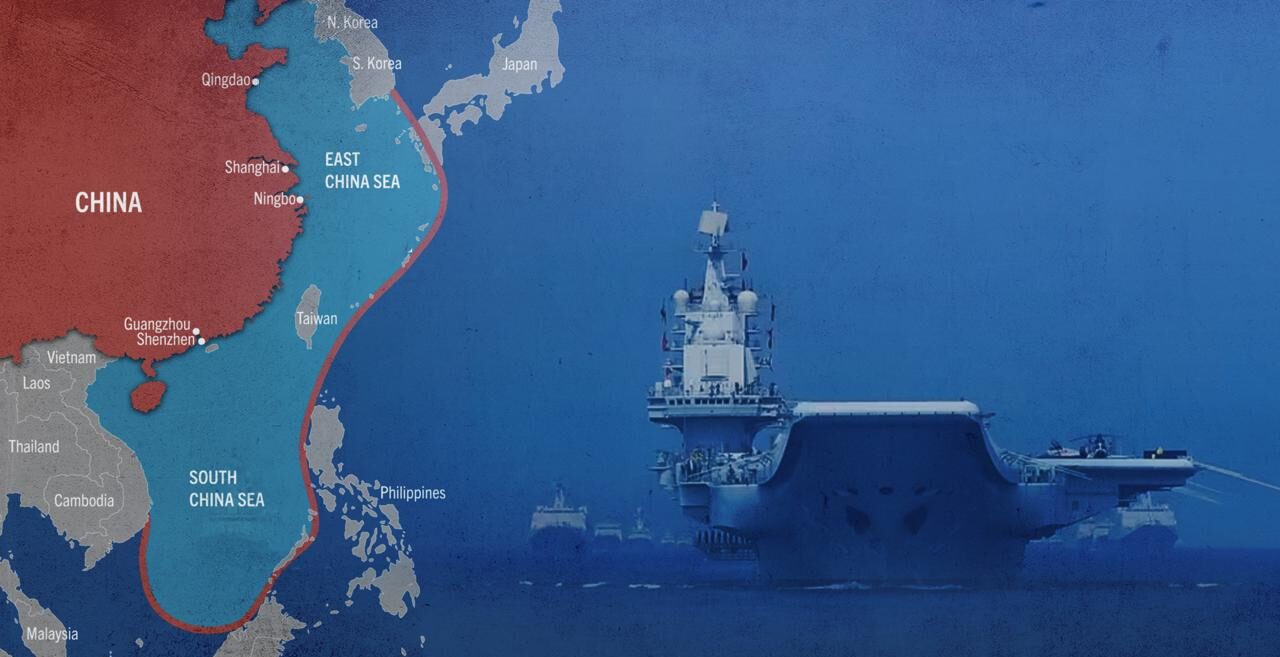
Tensions in the South China Sea are rising as China increases its military presence in the region, worrying neighboring countries and global observers. The South China Sea is one of the busiest shipping routes in the world, with over $3 trillion in trade passing through each year, making stability in the area critical for international commerce.
Recently, China conducted large-scale live-fire military exercises near Taiwan, involving ships, planes, and rockets. Taiwan called these drills “dangerous and provocative,” saying they threaten peace in the region. China, however, described them as routine defense exercises, insisting that it is protecting its territorial claims.
The Philippines has also expressed concern. Filipino officials claim that Chinese ships are moving aggressively near Scarborough Shoal, a disputed area. They warn that the maneuvers not only violate maritime boundaries but also harm coral reefs and the environment. “Our waters must be safe for fishermen and trade,” said a spokesperson for the Philippine government.
Japan has responded by approving its largest-ever defense budget, citing the growing need to protect its security. Experts say the budget increase reflects broader worries in Asia about China’s growing influence in the South China Sea and surrounding areas.
Several other countries, including Vietnam, Malaysia, Brunei, and Indonesia, also have claims in the South China Sea. The overlapping disputes make the region complex, and any small incident could quickly escalate into a larger conflict. International observers warn that stability in Asia depends on careful diplomacy and cooperation among nations.
Global reactions are cautious but clear. ASEAN leaders have called for peaceful talks, while the United States and the United Kingdom have urged China to respect international law and keep trade routes safe. Analysts say the world is watching closely, and any misstep could affect not just Asia but the global economy.
The South China Sea remains a key test of diplomacy and patience. With billions of dollars in trade and millions of lives connected to its stability, nations are now facing the challenge of balancing power, protecting sovereignty, and avoiding conflict. As tensions grow, it is clear that dialogue and careful negotiation are more important than ever.