




UAE Signals Withdrawal of Forces from Yemen, Raising New Questions for Regional Stability
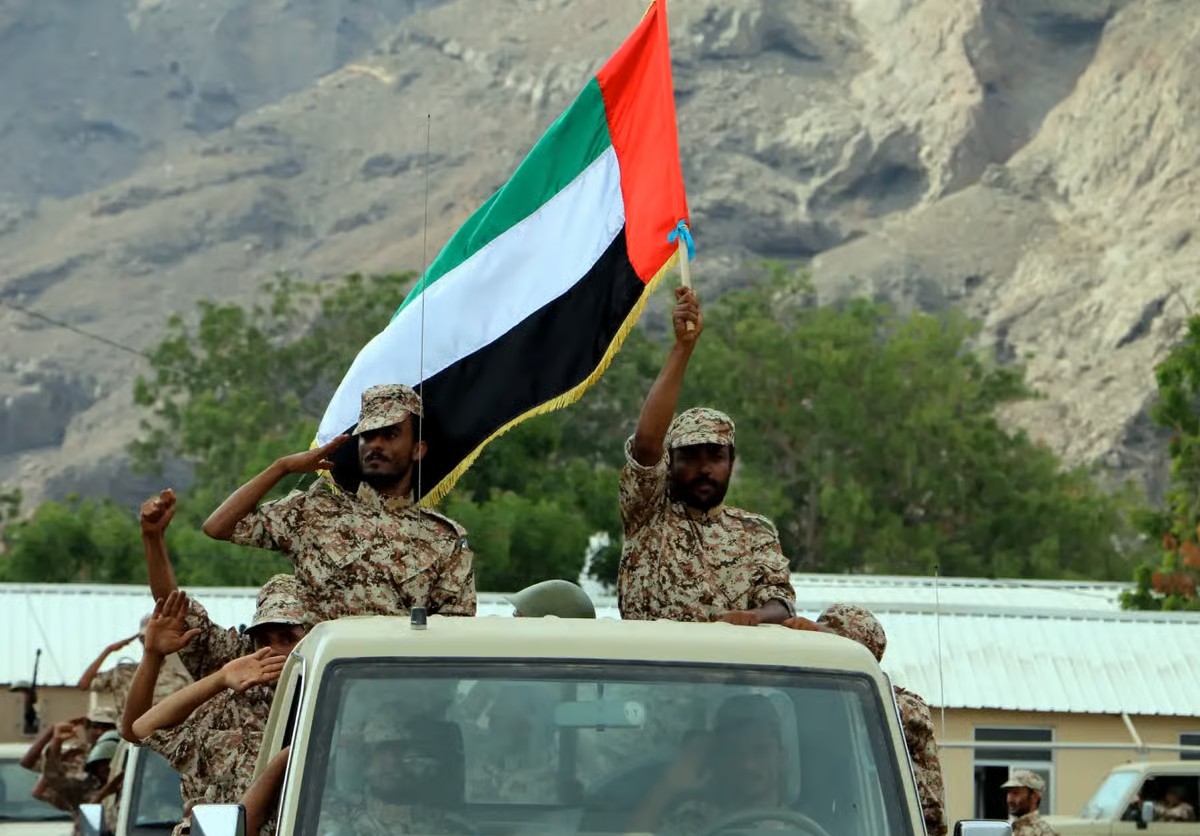
The United Arab Emirates has indicated that it is moving toward withdrawing its remaining military forces from Yemen, a development that could reshape the dynamics of a conflict that has dragged on for years and caused immense humanitarian suffering. While the UAE has gradually reduced its military footprint in Yemen over recent years, the latest signals suggest a more decisive shift away from direct involvement, drawing attention across the Middle East and beyond.
The UAE initially joined the Saudi-led coalition in Yemen with the stated aim of restoring stability and countering armed groups that had seized large parts of the country. Over time, however, Abu Dhabi adjusted its strategy, focusing more on counterterrorism operations, maritime security, and support for local partners rather than large-scale ground deployments. The current move appears to reflect a continuation of that policy recalibration, driven by changing regional priorities and the desire to limit long-term military entanglements.
Regional observers note that the withdrawal comes amid broader diplomatic efforts in the Middle East to reduce tensions and pursue dialogue instead of prolonged conflict. Gulf states in particular have been exploring ways to protect their national interests while avoiding costly wars that strain resources and international relationships. For the UAE, emphasizing diplomacy, economic development, and regional partnerships has become a central part of its foreign policy approach.
At the same time, the announcement raises important questions about Yemen’s future. The conflict has left millions in need of humanitarian assistance, and any shift in military involvement by key actors can affect the balance of power on the ground. Some analysts argue that a reduced foreign military presence could create space for renewed peace talks, while others warn that unresolved political divisions may continue to fuel instability.
International organizations and humanitarian groups are closely watching the situation, stressing that any political or military changes should prioritize the protection of civilians and the delivery of aid. They have repeatedly called on all parties involved in the Yemen conflict to support a comprehensive political settlement rather than a military solution.
As the UAE moves forward with its plans, attention will likely turn to how other regional and international players respond, and whether this moment can be used to push for lasting peace. For Yemen, a country exhausted by years of war, the hope remains that shifting strategies by influential actors could help open a path toward dialogue, recovery, and stability.