


Global Leaders Call for Diplomacy as Tensions Rise After U.S. Military Action in Venezuela
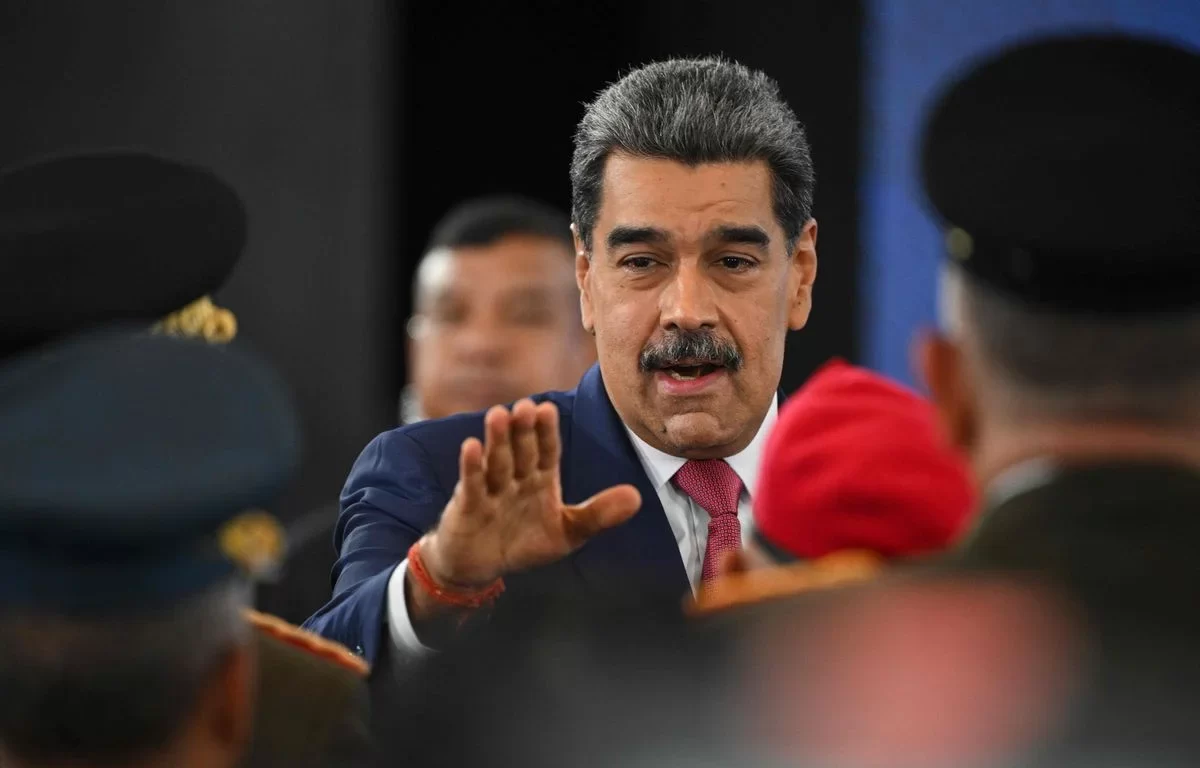
World political leaders are urging a renewed focus on diplomacy and international cooperation following the United States’ military operation in Venezuela that resulted in the capture of President Nicolás Maduro. The controversial action has triggered sharp reactions across continents, with government officials and diplomats emphasizing the need for peaceful solutions to avoid further instability.
U.S. President Donald Trump defended the operation, stating it was conducted to address what his administration described as longstanding security and legal concerns involving Venezuela’s leadership. Trump also suggested that the United States would oversee a transition process in the country, a move that has raised complex legal and diplomatic questions among allies and adversaries alike. Trump’s announcement marked one of the most significant and contentious foreign policy actions of his administration.
Many global leaders, however, expressed concern about the military intervention. European Union officials called for respect for international law and multilateral dialogue, while leaders from Latin America and Asia warned that military action undermines regional sovereignty and could set a dangerous precedent. China and Russia issued strong condemnations, urging restraint and adherence to international norms.
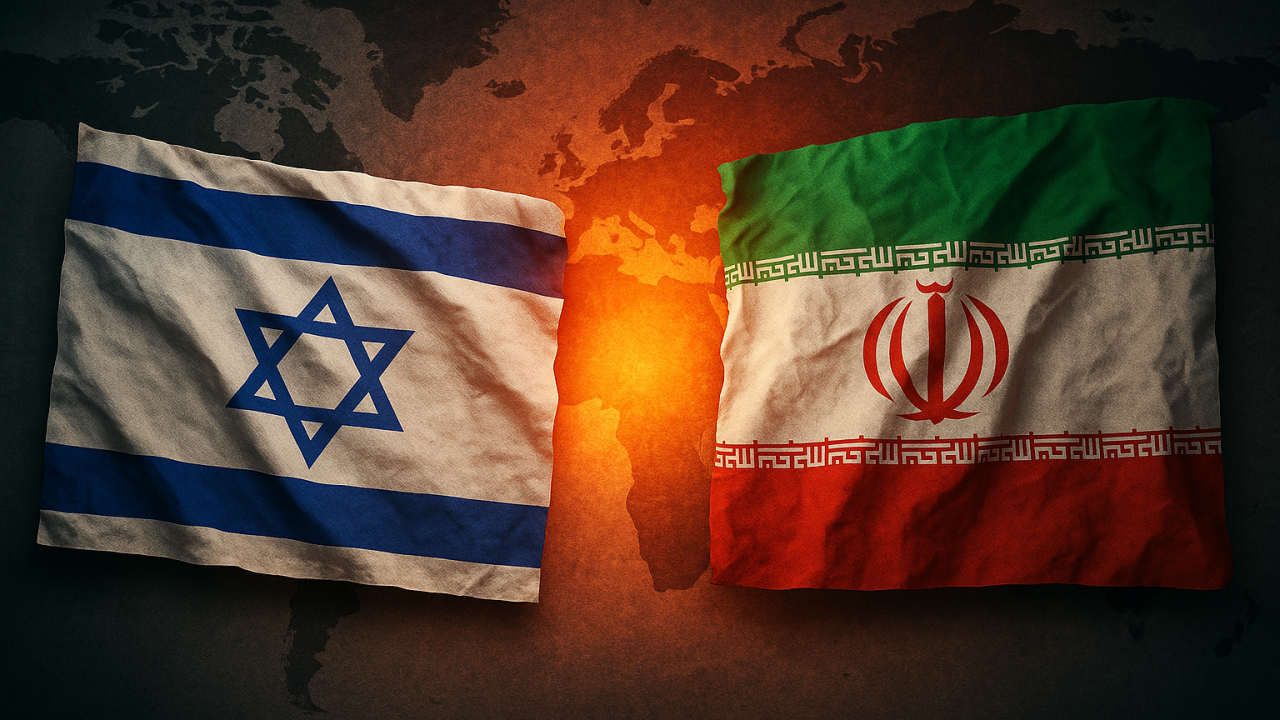
Amid rising tensions, countries are also grappling with broader geopolitical challenges. In the Middle East, Iran’s leadership has faced mounting internal protests and international scrutiny over human rights issues, complicating diplomatic relationships. Meanwhile, in East Asia, missile testing by North Korea during high‑level diplomatic engagements has highlighted the fragile balance between military posturing and dialogue.
International organizations, including the United Nations, have called for emergency discussions to address these overlapping crises. Diplomats stress the importance of negotiation, conflict resolution mechanisms, and respect for national sovereignty as world leaders prepare for a series of global summits in the coming months.
Analysts say the current political landscape shows the delicate nature of international relations in 2026, where disputes over security, governance, and human rights demand strategic leadership and measured responses. As the week unfolds, political observers will be watching closely to see how leaders navigate these complex challenges and whether diplomatic efforts can temper rising global tensions.