









Reform UK Surges Ahead of Labour in Major Poll, Signaling Shift in Voter Sentiment
A major new political poll has revealed a dramatic shift in the UK’s political landscape, showing the right-wing Reform UK party overtaking the Labour Party in support among a key demographic for the first time. The survey, conducted among users of Mumsnet — a platform historically aligned with Labour — indicates that Reform UK has gained significant momentum, while Labour support has declined sharply, raising questions about the party’s strategy and messaging.
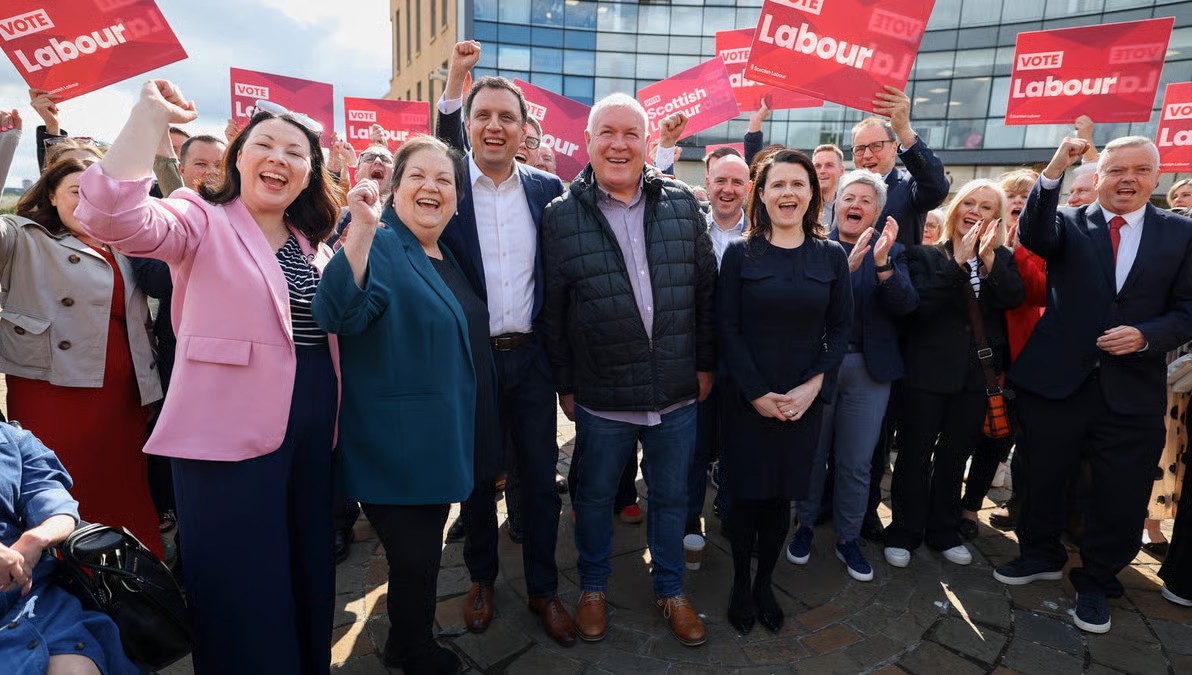
According to the poll, 20 percent of respondents said they would vote for Reform UK at the next general election, placing the party ahead of Labour, whose backing among this group fell to 18 percent from 41 percent in the previous year. Analysts suggest the surge reflects growing dissatisfaction with established parties on issues including the rising cost of living, pressures on public services, and immigration policy. The results underscore how Labour is struggling to maintain support among younger, family-oriented voters who have traditionally formed a core part of its base.
Reform UK, led by Nigel Farage, has capitalized on these trends by emphasizing policies aimed at reducing perceived immigration pressures, reforming welfare, and introducing family-focused fiscal measures. Despite Farage’s polarizing reputation among some voters, the party’s direct approach and focus on everyday concerns appear to be resonating with a segment of the electorate that feels disillusioned with mainstream parties. Experts note that Reform UK’s clear messaging on economic and social issues has been a major factor in its rise.
Justine Roberts, co-founder of Mumsnet, said the results reflect “a strong appetite among mothers for effective governance over partisan loyalty,” noting that the number of undecided voters has also increased to 23 percent. This indicates that while Reform UK is gaining ground, many voters remain open to persuasion, making the political environment increasingly unpredictable.
Political analysts say the poll sends a warning to Labour strategists as the party prepares for upcoming local elections and ongoing debates about leadership and policy direction. The findings highlight a volatile electoral environment in which voter loyalties are fluid and party performance on economic and social issues can dramatically influence public opinion. With Reform UK continuing to rise, the balance of political power in the UK may be entering a period of heightened competition, signaling that traditional party loyalties can no longer be taken for granted.
The survey’s results suggest that 2026 could be a year of intense political contestation in the UK, with both mainstream and emerging parties vying to capture the support of voters who are increasingly looking beyond traditional political allegiances.