


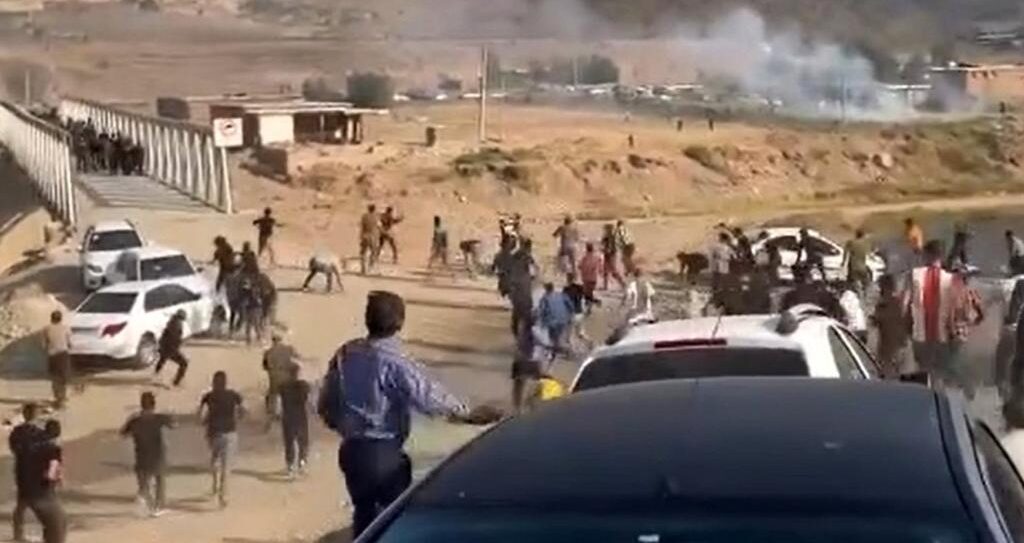
DEADLY CLASHES IN IRAN AS SECURITY FORCES OPEN FIRE ON PROTESTERS
At least 12 people have been killed in Iran as violent clashes between protesters and security forces continue across the country, according to rights groups and local media reports. The unrest, sparked by rising prices, economic hardship, and public frustration with the government, has spread to multiple cities and shows no sign of easing.
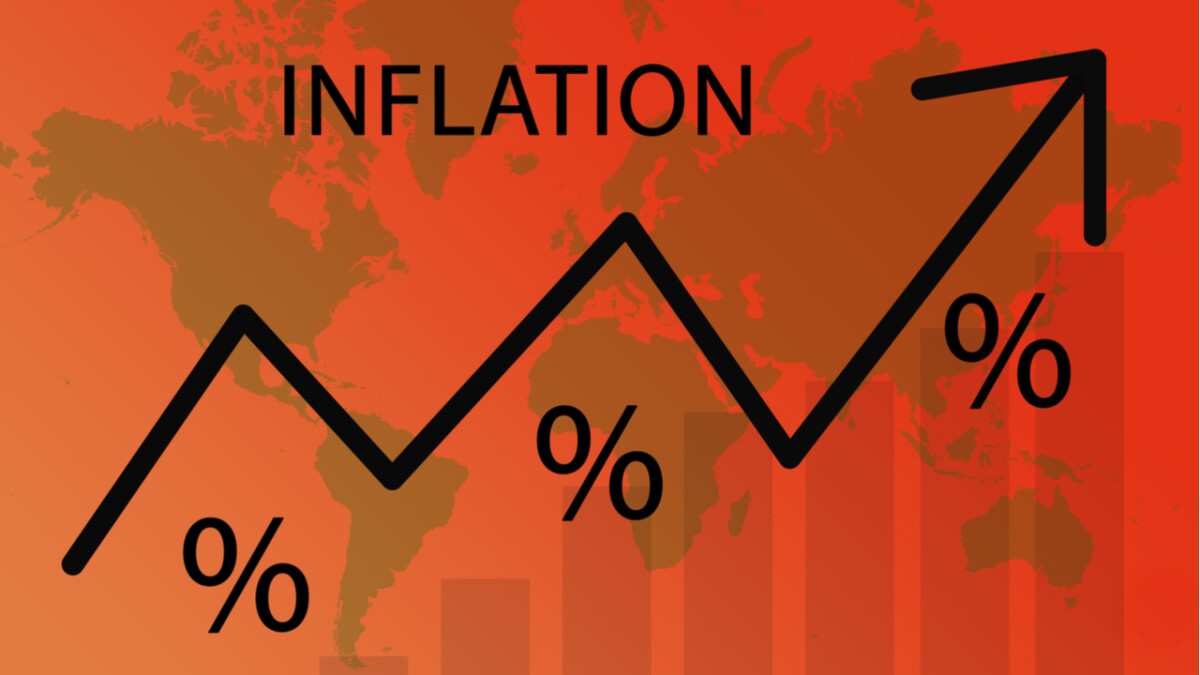
The demonstrations began in Tehran and quickly expanded to other major cities, including Isfahan, Shiraz, and Mashhad. Protesters have voiced anger over soaring inflation, unemployment, and the rapid devaluation of the national currency, which has eroded household incomes and increased the cost of living. Initially focused on economic concerns, the protests have evolved into broader calls for government accountability and political reform.
Security forces, including the Islamic Revolutionary Guard Corps and Basij militia, responded with live ammunition and heavy force to disperse crowds. Rights groups report that hundreds of people have been injured, and many arrests have been made. The true toll may be higher, as some casualties have not been officially confirmed.
Supreme Leader Ayatollah Ali Khamenei acknowledged that the public’s grievances over rising prices were “just,” but he condemned what he described as “rioters” and warned that anyone disrupting public order would be dealt with firmly. Authorities have framed the demonstrations as a threat to national stability, emphasizing the need to maintain law and order.
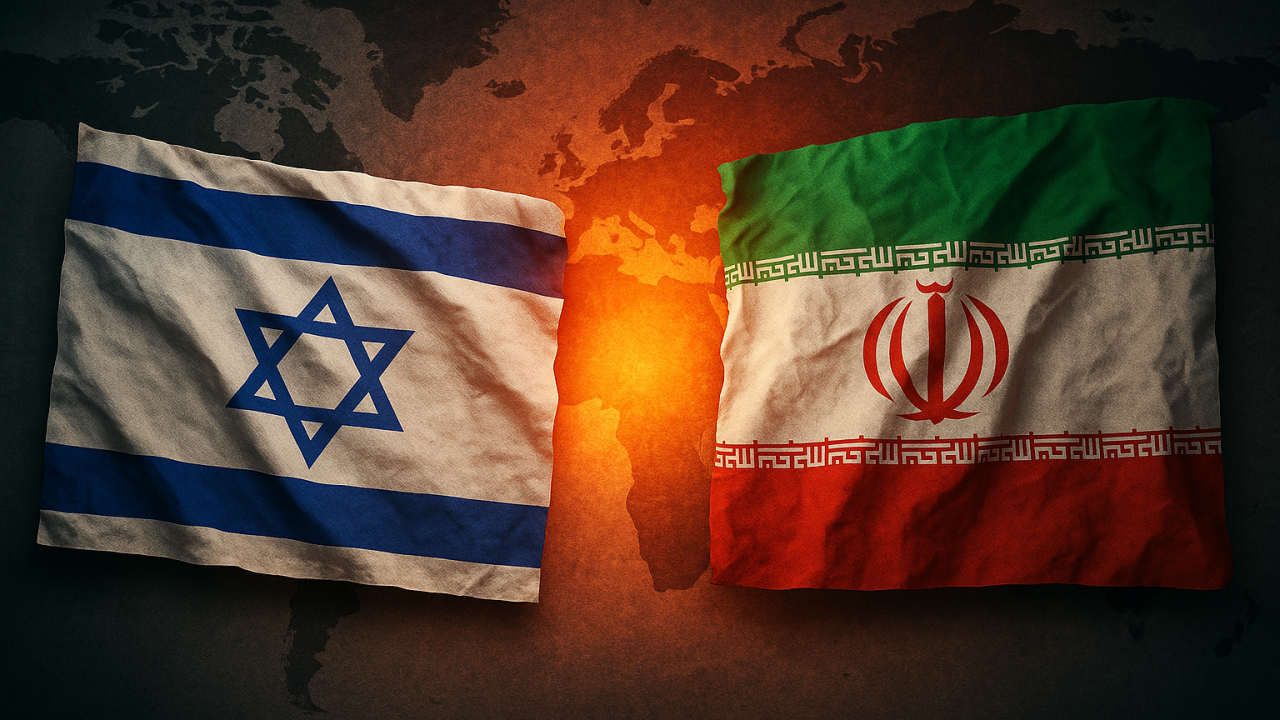
The unrest has drawn international attention, with political figures in the United States warning Tehran against further bloodshed. Former President Donald Trump suggested potential support for demonstrators if the government continued to use lethal force, prompting Iranian officials to accuse external powers of stoking unrest.
Observers describe the protests as some of the largest Iran has seen in recent years, with participation from students, workers, women, and ordinary citizens. The demonstrations highlight the deep economic challenges facing the country and growing dissatisfaction with the government’s response to public needs.
As protests continue into their seventh day, human rights organizations are urging restraint and calling for a peaceful resolution. The Iranian government faces the difficult task of restoring order while addressing the underlying economic and political grievances that have fueled the unrest, leaving the nation at a critical and tense crossroads.