




UK response to Venezuela criticized as Maduro arrest sparks diplomatic debate
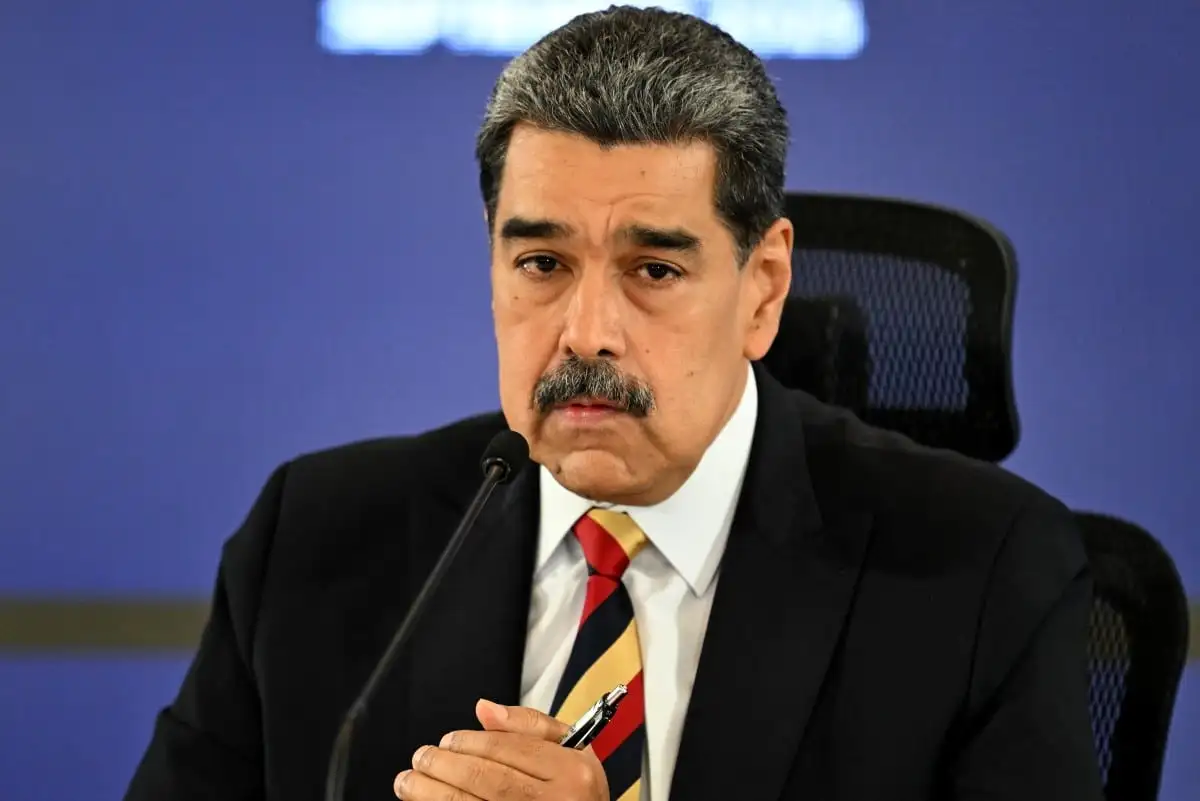
The United Kingdom is facing criticism over its handling of the international response to the recent arrest of Venezuelan President Nicolás Maduro by U.S. forces, as opposition politicians and analysts question whether London’s stance aligns with international law and diplomatic norms.
Reports indicate that UK government officials suggested the country may not support a United Nations resolution condemning the U.S. action, drawing sharp reactions from lawmakers and foreign policy experts. Critics argue that the position risks undermining the UK’s credibility in upholding global governance and could be seen as tacit approval of unilateral military intervention.
Opposition members in Parliament have accused the government of sending mixed signals on human rights and international law, saying the country should clearly denounce actions that violate sovereignty. “The UK cannot remain silent when international norms are being disregarded,” one senior MP commented. “Our foreign policy should be consistent, principled, and in line with both international law and democratic values.”
Government spokespeople, however, defended the position, emphasizing the complexity of the situation and citing long-standing diplomatic relationships with both the United States and Latin American countries. Officials stressed that London continues to advocate for a peaceful resolution to the Venezuelan crisis, while working with international partners to ensure the safety of civilians and stability in the region.
The arrest of Maduro has heightened tensions across Latin America and prompted emergency meetings at the United Nations Security Council, where member states debated the legality and consequences of the U.S. operation. While some countries condemned the intervention as a breach of sovereignty, others welcomed efforts to hold leaders accountable for alleged crimes.
Analysts note that the UK’s response comes at a delicate time, as it balances post-Brexit international engagement with commitments to global human rights and multilateral diplomacy. The controversy has reignited debates over how the UK positions itself on foreign conflicts involving allied powers, particularly in cases that carry significant regional and geopolitical implications.
As the situation continues to evolve, pressure is mounting on the British government to clarify its stance, with citizens and international observers closely monitoring parliamentary discussions and diplomatic communications. The coming weeks are expected to be critical in defining the UK’s role in the unfolding Venezuelan crisis.