





Military-Backed Party Surges in Myanmar’s Controversial Election as Phase One Results Roll In
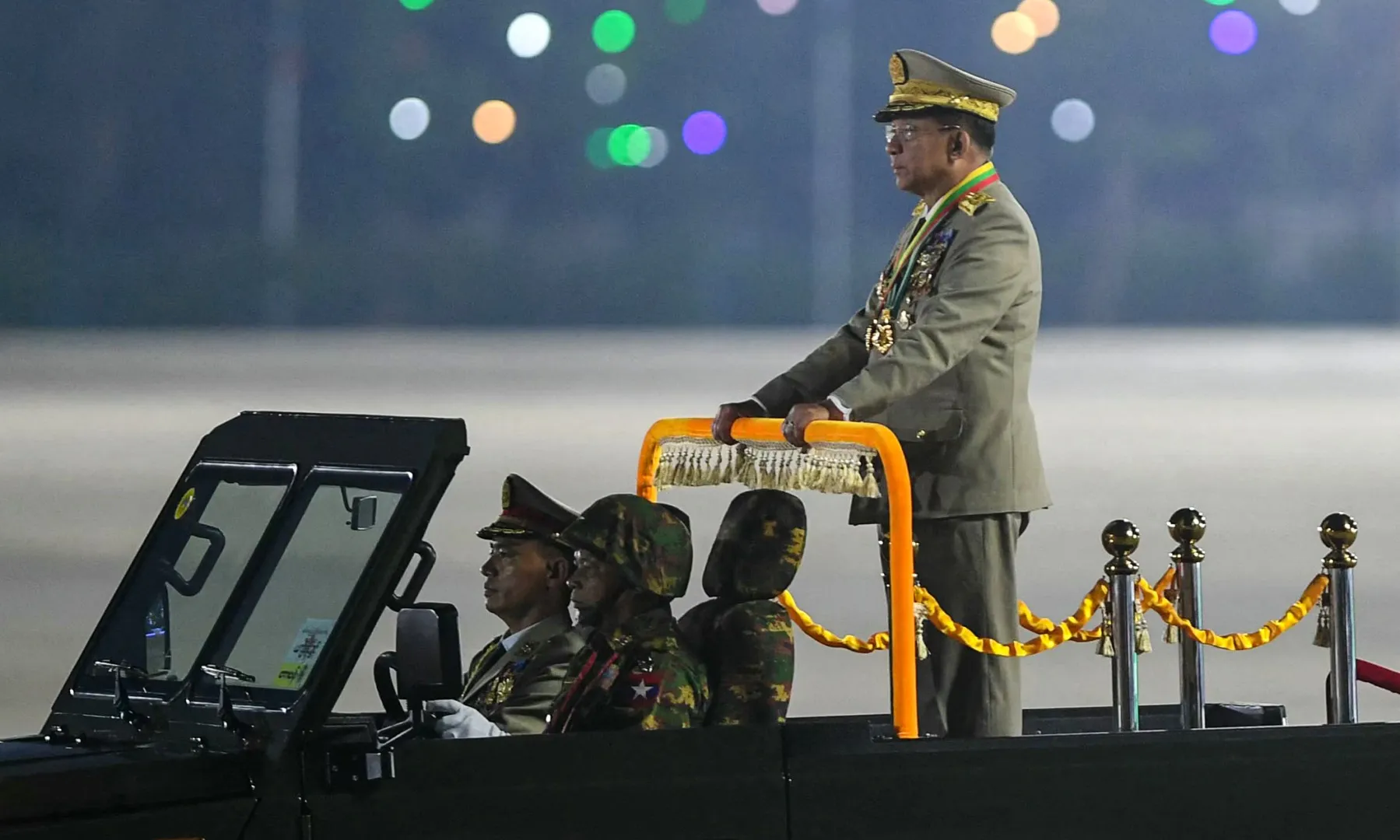
Myanmar’s first general election since the 2021 military coup is under intense scrutiny as early results from the first phase show the military-backed Union Solidarity and Development Party (USDP) sweeping most contested seats. The initial round, held in late December 2025, covers key constituencies, with two more phases scheduled for January 11 and January 25, 2026.
The election, heavily criticized by human rights organizations and foreign observers, is being conducted under strict military oversight. Major opposition parties, including Aung San Suu Kyi’s National League for Democracy, remain banned, and top political figures are still in detention. Analysts warn the process is unlikely to reflect the true will of the people.
Turnout in phase one is reported at approximately 52 percent, though independent verification is difficult due to restricted access and civil conflict in several regions. In areas where voting was disrupted or impossible, many citizens were effectively disenfranchised.
International reactions are swift and critical. The United Nations and Western governments have questioned the legitimacy of the vote, describing it as a tool for the junta to consolidate power. Neighboring countries are watching closely, concerned about regional stability and potential impacts on trade and security.
Despite criticism, the military government claims the election demonstrates Myanmar’s “return to political normalcy,” emphasizing administrative efficiency and security measures. Analysts, however, point out that the structural advantages built into the system virtually guarantee continued military dominance.
With two more phases of voting remaining, the USDP is expected to strengthen its grip, leaving little room for opposition influence. Observers warn that Myanmar’s path toward democracy is under serious threat, and ongoing civil unrest may intensify if political dissatisfaction continues.
The unfolding election has become a focal point of international attention, signaling that Myanmar remains at a crossroads between authoritarian control and long-delayed democratic reform.