






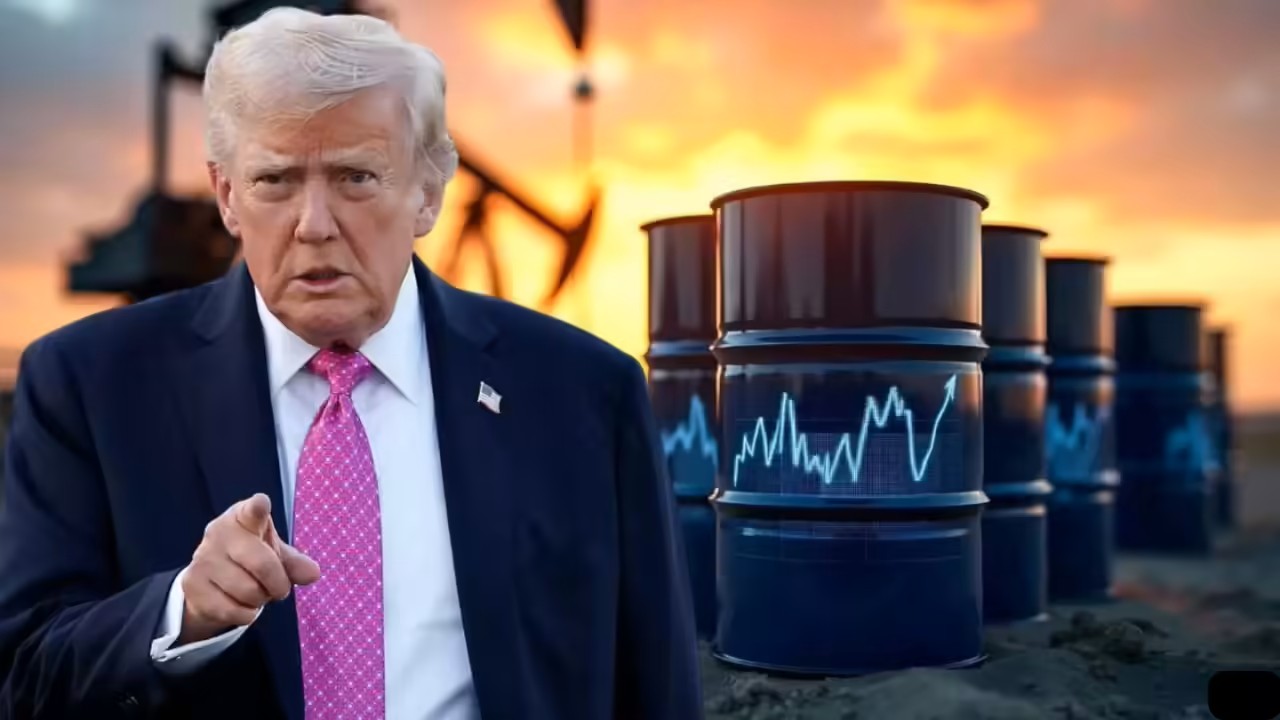
Trump Announces Venezuela to Deliver Up to 50 Million Barrels of Oil to U.S. in Strategic Move
In a bold and controversial development, U.S. President Donald Trump announced that Venezuela will transfer up to 50 million barrels of crude oil to the United States, a move he described as “a historic step to strengthen energy security and benefit both nations.” The announcement comes just days after U.S. forces captured Venezuelan President Nicolás Maduro in a high-stakes operation that has dramatically reshaped the political landscape in Caracas.
According to Trump, the oil will be sold at market prices, with proceeds controlled by the U.S. government to ensure they are used for the benefit of the Venezuelan people and the United States. Energy Secretary Chris Wright has been tasked with overseeing the immediate execution of the plan, including the transportation of the crude via vessels directly to U.S. ports. “This oil is high-quality, strategically important, and will be used responsibly,” Trump said in a social media statement.
The decision has sparked an intense debate over legality and ethics. Critics argue that controlling the revenue of a sovereign nation, even one in political turmoil, may violate international law and could heighten diplomatic tensions. Supporters counter that the transfer is a necessary step to stabilize U.S. energy supplies while providing oversight of funds during Venezuela’s uncertain political transition.
Global energy markets reacted swiftly, with crude oil prices dipping as traders anticipated the influx of Venezuelan supply. Analysts suggest that while the plan may relieve some short-term energy pressures, it also introduces significant uncertainty for both domestic and international markets. Investors are closely monitoring how the logistics and legal frameworks of the transfer will be implemented.
The announcement also raises broader geopolitical questions. Countries around the world, particularly U.S. trading partners in Europe, Latin America, and Asia, have been closely watching developments in Venezuela, a nation that holds some of the world’s largest proven oil reserves. Diplomatic reactions are expected in the coming days as foreign governments weigh the implications of Washington taking direct control of Venezuelan oil sales.
As the situation unfolds, attention is focused on how the United States will manage the unprecedented oil transfer, including the logistical, economic, and political ramifications. Observers warn that the coming weeks will be crucial in determining whether the move strengthens U.S. energy security or sparks a new round of international controversy.