



Myanmar Holds Second Phase of Military-Run Election Amid Criticism
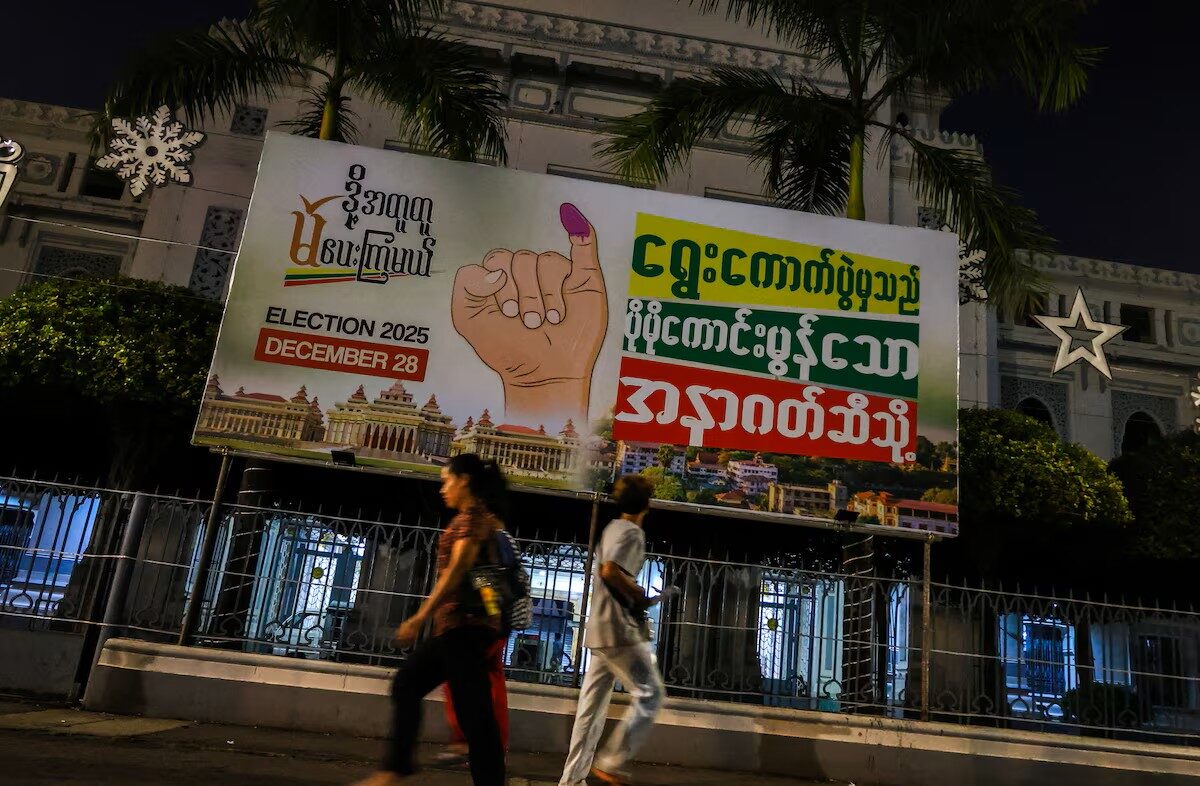
Myanmar has held the second phase of its military-organized national election, drawing widespread international criticism and concerns over the legitimacy of the process. Voting took place across several regions today, with citizens casting ballots under the oversight of the ruling junta, which seized power in a coup in 2021.
The election is part of a three-stage process planned by the military government, which analysts say is designed to consolidate control rather than reflect the will of the people. Opposition parties have faced restrictions, with many candidates barred from running and significant portions of the electorate unable to participate due to ongoing conflict and security concerns. Human rights groups report that thousands of civilians have been displaced, and hundreds have died in clashes between military forces and armed resistance groups since the coup.
Despite the military’s assurances that the election is fair, critics both inside and outside Myanmar argue that the process lacks transparency. International observers have noted limited access to polling stations and strict control over voter registration, raising doubts about the validity of the results. The United Nations and Western governments have called for caution, warning that the vote may deepen political instability and further erode public trust in governance.
Security remains tight in major cities and conflict zones, with the military deploying troops to prevent unrest at polling stations. In some areas, armed groups have urged citizens to boycott the election and resist military authority, leading to sporadic incidents of violence. Civilians navigating the vote face significant risks, as the ongoing humanitarian crisis compounds the challenges of daily life.
The junta has defended the election as a step toward restoring stability and normalcy in the country, claiming that participation signals public support for the government’s policies. Analysts, however, suggest the staged election is unlikely to achieve international recognition or quell the widespread opposition movement that has persisted since the coup.
As Myanmar proceeds with the final phase of its military-run election, the country remains deeply divided, with the civilian population caught between government authority and resistance efforts. The outcome of today’s voting is unlikely to resolve the ongoing conflict or address long-standing grievances, but it is expected to shape the junta’s grip on power for the coming years and influence the country’s relationships with regional and global partners.