






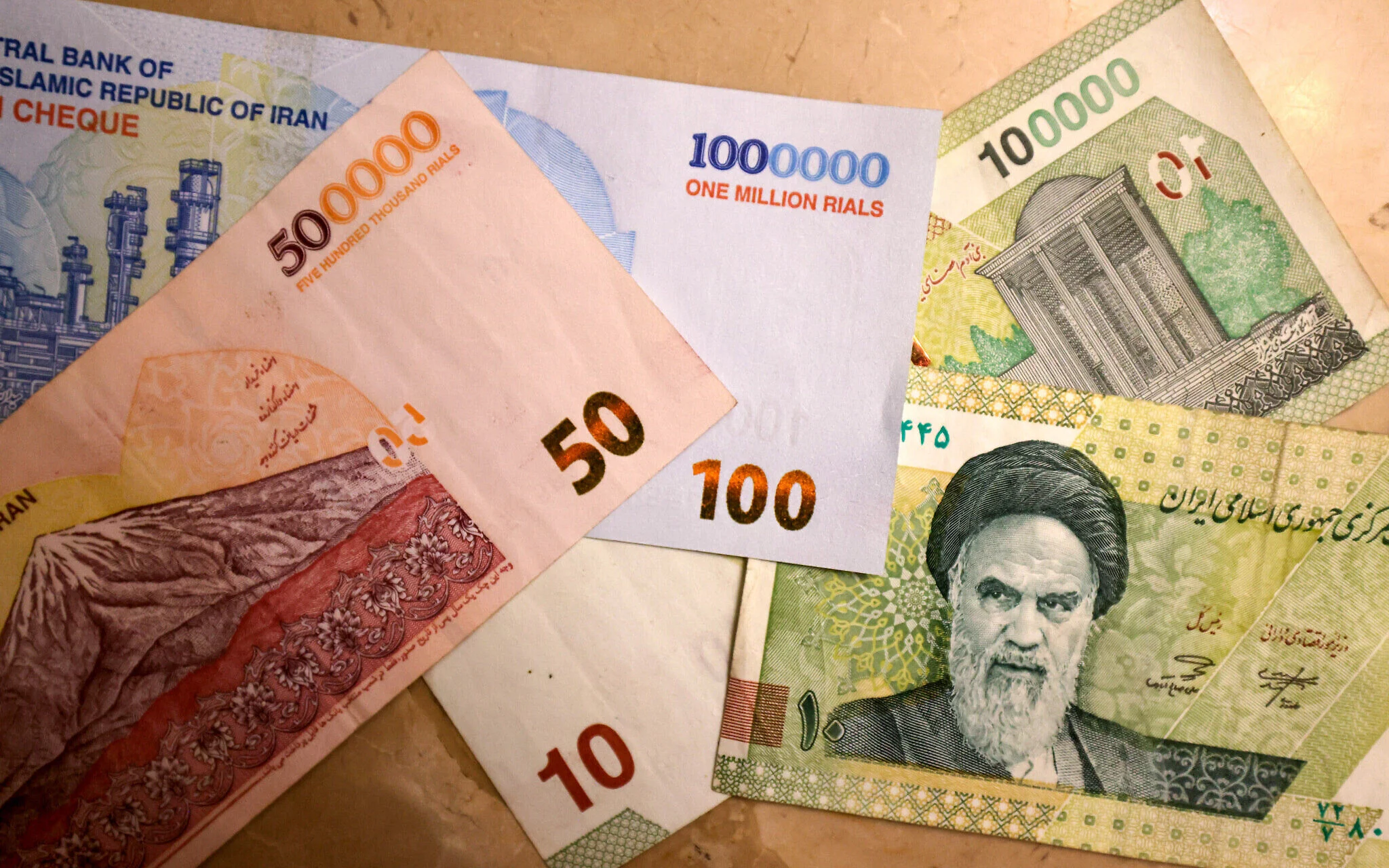
Iran’s Rial Plummets to Record Low Amid Economic Turmoil
Iran’s national currency, the rial, has plunged to a historic low, trading at approximately 1.47 million rials to the U.S. dollar on unofficial markets. This unprecedented depreciation has intensified inflation, sharply reduced purchasing power, and fueled growing frustration among ordinary citizens. Economists warn that the country’s currency crisis reflects deeper structural weaknesses in Iran’s economy, which have been exacerbated by years of sanctions, declining oil revenues, and domestic policy challenges.
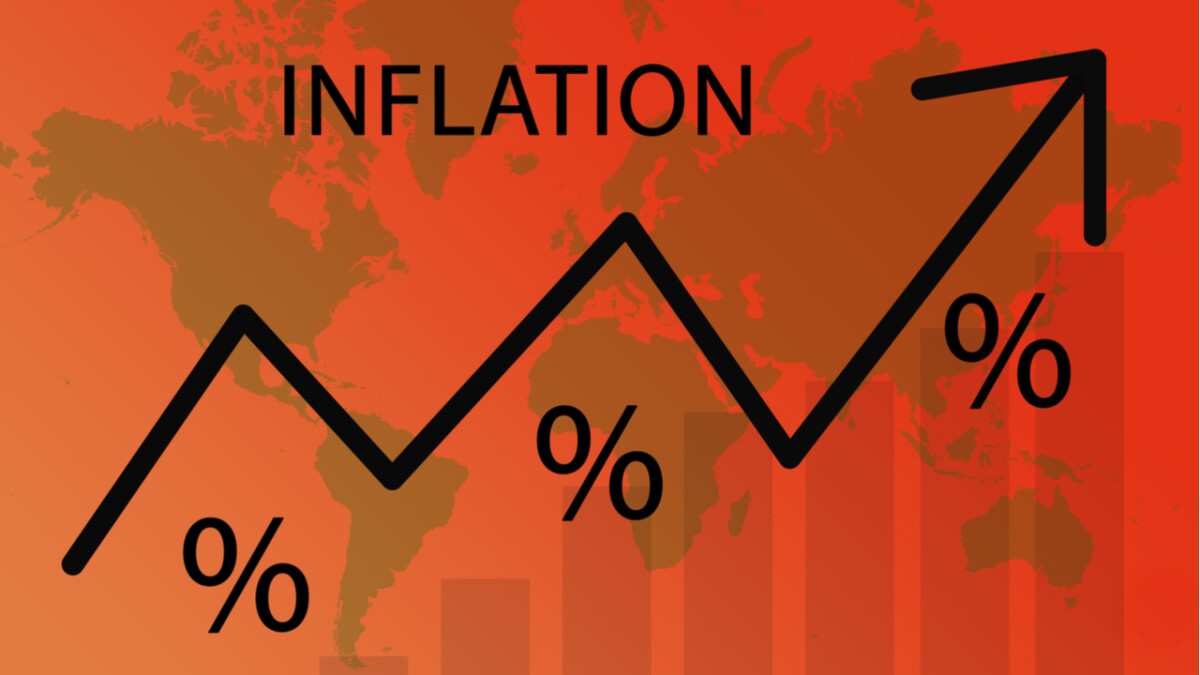
Over the past year, the rial has lost nearly 45 percent of its value, contributing to inflation rates exceeding 42 percent. Prices for basic necessities such as food, fuel, and housing have skyrocketed, leaving many families struggling to afford everyday items. Imported goods, in particular, have become prohibitively expensive, as Iran’s reliance on foreign currencies for trade exposes the economy to sharp fluctuations in the rial’s value.
The currency collapse has also intensified public discontent, sparking nationwide protests that began in late December 2025 and have since spread to multiple cities. Demonstrators have voiced anger over rising living costs, high unemployment, and the government’s handling of the economy. Many citizens are turning to foreign currencies, gold, and other assets to protect their savings, further reducing confidence in the rial and putting additional pressure on the currency.
Authorities have attempted to stabilize the situation through a series of measures, including monetary policy adjustments, stricter currency controls, and interventions in foreign exchange markets. However, analysts say that these measures may only provide temporary relief unless Iran undertakes deeper economic reforms. The country’s limited access to international financial systems and continued sanctions on key sectors further complicate efforts to stabilize the currency.
The economic crisis is not just a financial issue; it has significant social and political implications. Rising hardship among ordinary citizens has intensified calls for reforms and increased scrutiny of government policies. Analysts suggest that unless the government addresses both economic mismanagement and international constraints, the rial may continue to depreciate, leading to further social unrest and political instability.
As Iran grapples with this economic turmoil, the situation underscores the complex link between financial instability, public dissatisfaction, and political pressure. Observers note that the effects of the rial’s collapse extend beyond Iran’s borders, influencing regional trade, investment flows, and diplomatic relations in the Middle East.