







Canada and China Move to Rebuild Diplomatic Ties Amid Global Shifts
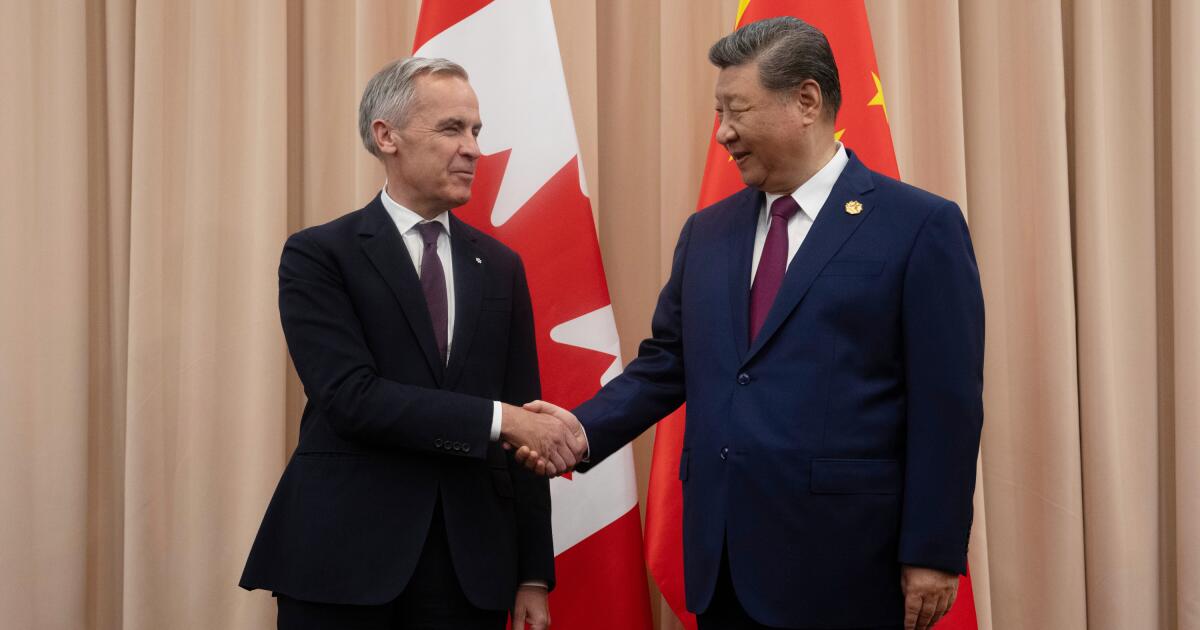
Canada and China have taken a significant step toward rebuilding diplomatic relations, signaling a potential realignment in global politics and trade. Canadian Prime Minister Justin Trudeau met with Chinese President Xi Jinping in Beijing this week, marking the first high-level engagement between the two countries since tensions flared over trade disputes, human rights concerns, and geopolitical disagreements.
During the meeting, both leaders emphasized the importance of dialogue, cooperation, and mutual respect in navigating a rapidly changing international landscape. Officials described the discussions as “constructive and forward-looking,” with commitments to strengthen trade partnerships, enhance cultural exchanges, and address outstanding issues affecting both nations.
The rapprochement comes as global powers adjust to shifting alliances and economic pressures. Canada, traditionally a close ally of the United States, has been seeking to balance its foreign policy approach in light of rising protectionism and unilateral actions by major global players. China, meanwhile, is looking to expand trade relations and secure strategic partnerships beyond its immediate region amid growing tensions with Western nations.
Economic cooperation was a central theme of the talks. Both countries agreed to explore opportunities in technology, energy, and infrastructure, with a focus on mutually beneficial projects that can drive growth while reducing reliance on third-party markets. Trade officials noted that Canadian exports of natural resources and advanced technologies could see a resurgence in the Chinese market, while Chinese investment in Canada could support job creation and economic development.
While the meeting signals a thaw in relations, analysts caution that challenges remain. Human rights concerns, cybersecurity, and global geopolitical competition continue to test trust between the two nations. Experts emphasize that sustained dialogue and incremental steps will be critical to turning this diplomatic engagement into a lasting partnership.
Observers view this development as part of a broader trend of nations recalibrating their foreign policies in a world where traditional alliances are being tested. Canada’s willingness to engage with China directly may serve as a model for other countries seeking to navigate tensions between major powers while safeguarding national interests.
As both countries move cautiously toward renewed cooperation, the global community will be watching closely to see whether these efforts translate into concrete agreements, deeper trade relations, and a more stable diplomatic framework in the years ahead.