









Asian Markets Fall as Trade Tensions Weigh on Investor Confidence
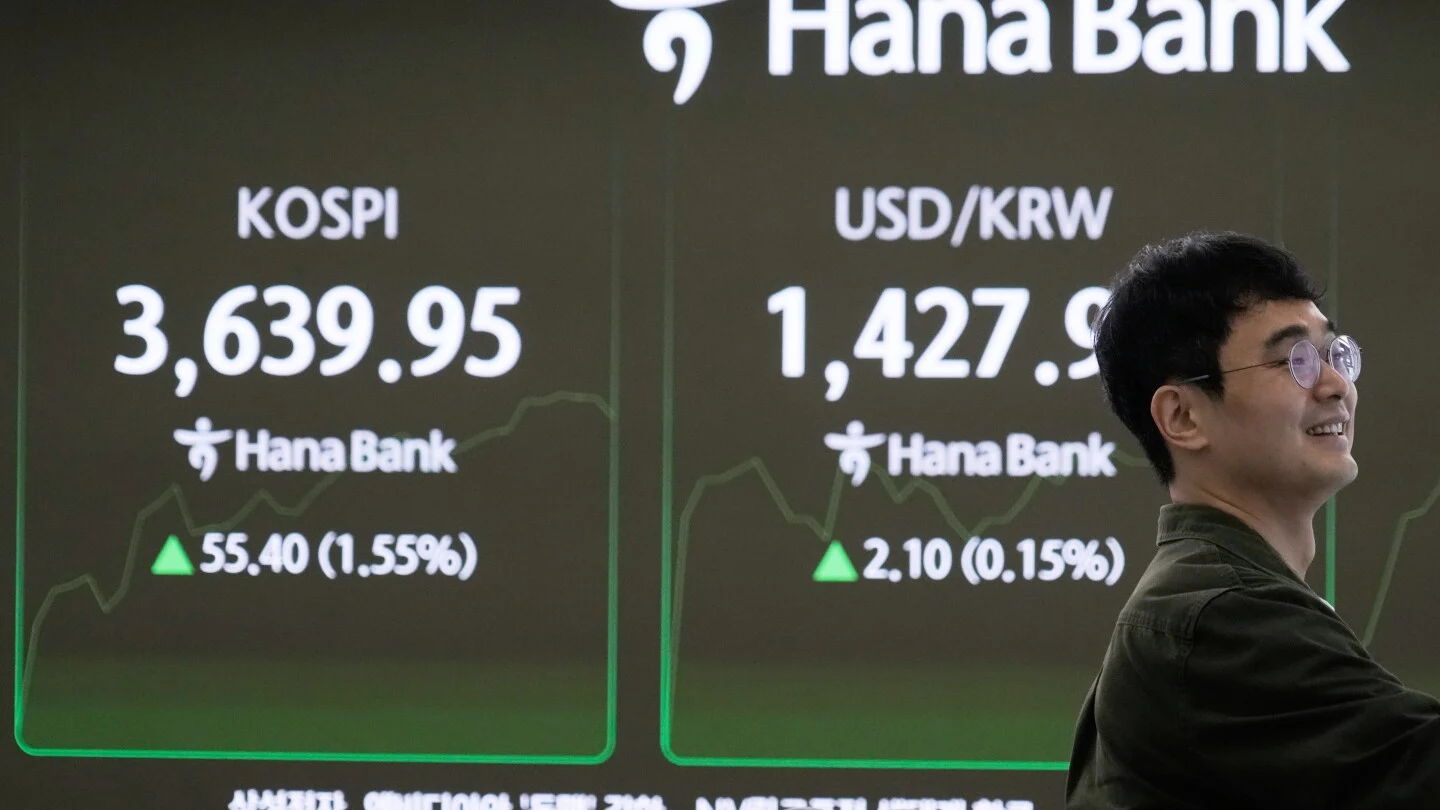
Asian stock markets slipped sharply today as investors reacted to renewed fears over escalating trade tensions between the United States and major Asian economies. Key indices across Tokyo, Shanghai, and Hong Kong opened lower, reflecting growing concerns that new tariffs and trade barriers could disrupt supply chains and slow economic growth in the region.
In Tokyo, the Nikkei 225 dropped 1.2 percent, while Shanghai’s Composite Index slipped 0.8 percent. Hong Kong’s Hang Seng fell nearly 1.1 percent, with technology, manufacturing, and export-oriented companies leading the declines. Analysts said the sell-off was fueled by uncertainty over potential U.S. trade measures and weak economic signals from China, which recently reported slower-than-expected growth in the fourth quarter.
Market strategists cautioned that volatility may continue in the coming weeks. “The markets are responding to both the immediate risk of new tariffs and the broader uncertainty about their impact on supply chains and corporate earnings,” said a senior analyst in Singapore. “Until there is clarity on trade negotiations, investors are likely to remain cautious.”
The recent declines in Asian equities coincide with a global shift toward safer assets. Investors have been increasingly moving funds into government bonds and precious metals, particularly gold, as a hedge against market turbulence. This flight to safety underscores the nervousness that continues to grip international markets amid geopolitical tensions.
Economic experts warn that prolonged trade disputes could slow growth in key Asian economies, affecting exports and industrial output. Companies dependent on global supply chains may face higher costs, while regional economies could see a slowdown in investment and consumption. Analysts say that the full impact of potential trade barriers will depend on the outcomes of upcoming diplomatic and economic meetings between U.S. and Asian officials.
Despite today’s losses, some investors are cautiously optimistic that negotiations could ease tensions and stabilize markets. However, for now, caution prevails, and volatility remains the dominant theme across Asian equities.
As the region faces an uncertain trade and economic environment, both policymakers and investors will be closely monitoring developments in the coming weeks, hoping for signs that stability may return to the markets.