







Syria Strikes Historic Ceasefire With Kurdish Forces, Paving Path to National Unity
In a major breakthrough that could reshape the country’s future, Syria’s government announced a comprehensive ceasefire agreement with the Kurdish-led Syrian Democratic Forces (SDF) yesterday. The deal, described by Damascus as a “victory for national sovereignty,” ends weeks of fighting in the northeastern provinces and sets the stage for the integration of former Kurdish fighters into Syrian state institutions.
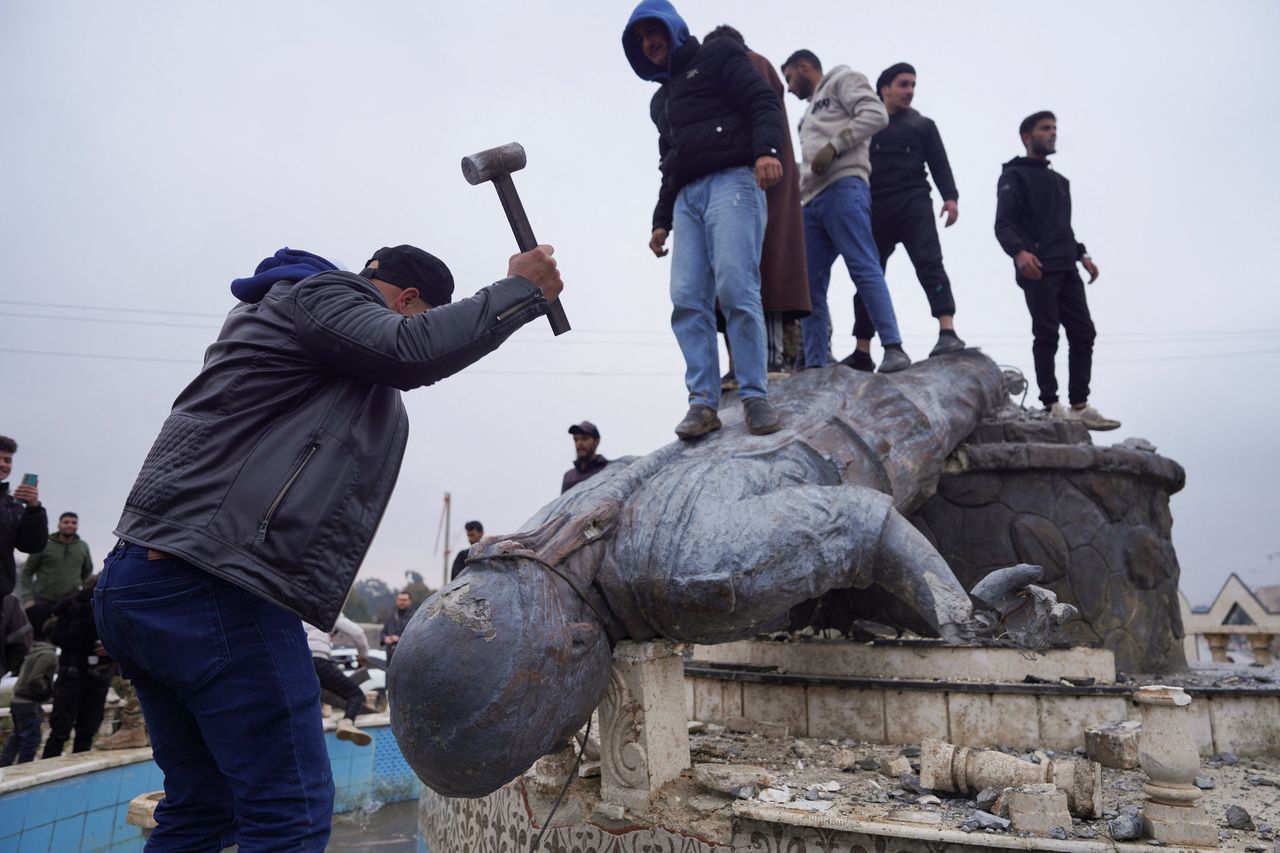
Under the terms of the agreement, SDF forces will withdraw from key cities and strategic regions, including Raqqa and Deir ez-Zour, returning control to the central government. The pact also outlines plans for the incorporation of SDF personnel into the national military and local governance structures, signaling a potential end to years of autonomous Kurdish administration in northern Syria. Officials in Damascus have hailed the move as a historic step toward reunifying a country fractured by over a decade of war.
Regional actors have welcomed the agreement, emphasizing its potential to stabilize one of the Middle East’s most volatile zones. Jordan and Qatar publicly endorsed the ceasefire, framing it as a positive development for regional security and the restoration of sovereignty. Turkey also expressed cautious approval, noting that the deal could advance territorial unity and mitigate threats from militant factions. Analysts say the pact could mark the most significant political realignment in Syria since the conflict began in 2011, although the path to lasting peace remains uncertain.
For years, northeastern Syria has operated under semi-autonomous Kurdish governance, managing local security and administration independently of Damascus. The new agreement challenges that status quo, creating both opportunities for reconciliation and risks of renewed tension if integration efforts falter. Experts warn that careful implementation and continued regional cooperation will be critical to ensure the ceasefire holds.
While challenges remain, including humanitarian recovery and rebuilding war-torn infrastructure, the ceasefire represents a rare diplomatic success in a conflict marked by fragmentation and foreign intervention. With neighboring countries backing the pact and Kurdish leaders agreeing to integration, Syria may have taken a crucial step toward national unity, signaling a shift from prolonged division toward potential reconstruction and political stabilization.
The coming weeks will test whether this historic agreement can survive on the ground, but for now, Syria appears closer than ever to bridging the divides that have long fueled violence and instability.