





Global Leaders Converge in Davos as World Economic Forum Opens Amid Rising Inequality
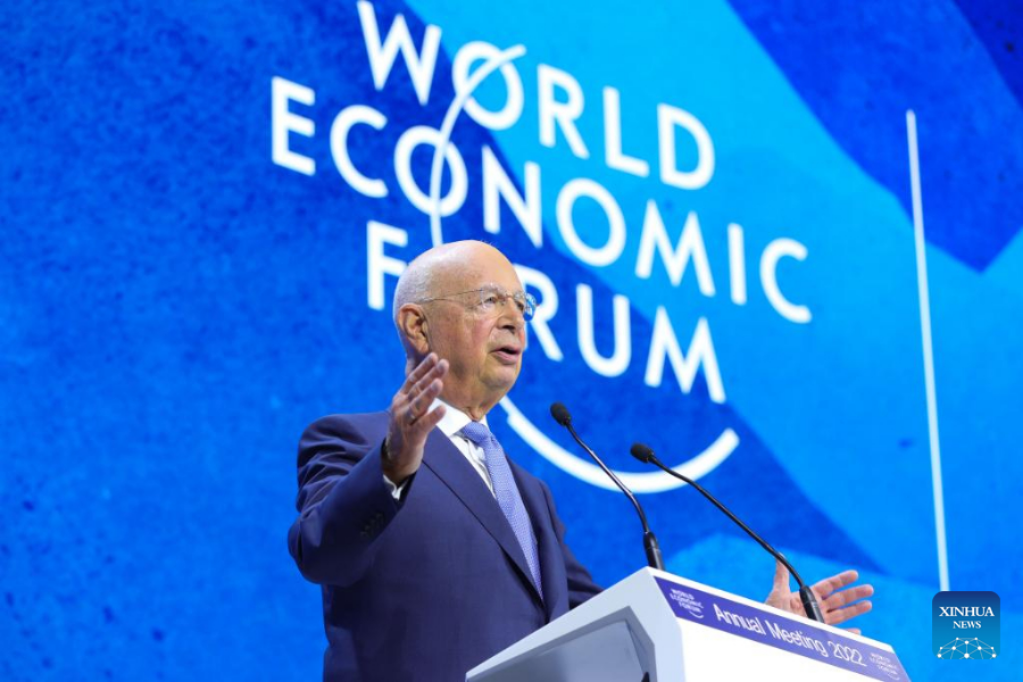
The World Economic Forum (WEF) 2026 officially opened today in Davos, Switzerland, drawing political leaders, business executives, and financial experts from across the globe to discuss pressing economic challenges, investment priorities, and strategies to tackle rising inequality. The annual gathering, often described as the pinnacle of global economic dialogue, comes at a time of heightened geopolitical tensions and uncertainty in world markets.
This year’s forum is expected to focus on a range of critical issues, including inflation, energy security, climate change, and the future of global trade. With leaders from over 100 countries attending, discussions will explore how governments and corporations can coordinate efforts to foster sustainable economic growth while addressing widening wealth gaps between nations and within societies.
Prominent figures attending include corporate CEOs, central bank governors, and government officials, each bringing unique perspectives on how to navigate a complex economic landscape marked by rising tariffs, shifting supply chains, and increasing technological disruption. The gathering also serves as a platform for private meetings and negotiations, often shaping the direction of major policy decisions and cross-border investments.
Global investors are closely watching the forum, given its influence on market sentiment and international business confidence. Analysts suggest that conversations around energy transition, digital finance, and emerging markets could have tangible effects on stock markets, commodities, and investment flows in the months ahead.
While the forum highlights cooperation, it also underscores the challenges facing the international community. Delegates are expected to address the delicate balance between national interests and global responsibility, particularly in the context of climate commitments and socioeconomic inequality. Experts warn that without actionable strategies, the gap between wealthy and developing nations could continue to widen, exacerbating political and social tensions worldwide.
This year, the forum’s organizers have also emphasized the role of innovation and technology in shaping the future economy. Topics such as artificial intelligence, green technology, and sustainable finance are expected to dominate debates, reflecting the urgency of adapting to rapid changes in global markets.
As Davos welcomes leaders from every corner of the globe, the World Economic Forum 2026 stands as a high-stakes arena where critical decisions about economic stability, social equity, and environmental responsibility will be debated. The outcomes of these discussions are likely to resonate far beyond Switzerland, influencing policies and markets worldwide, and setting the stage for the international economic agenda in the year ahead.