





Historic Syria-Kurd Deal Gives Turkey Strategic Edge in Regional Power Shift
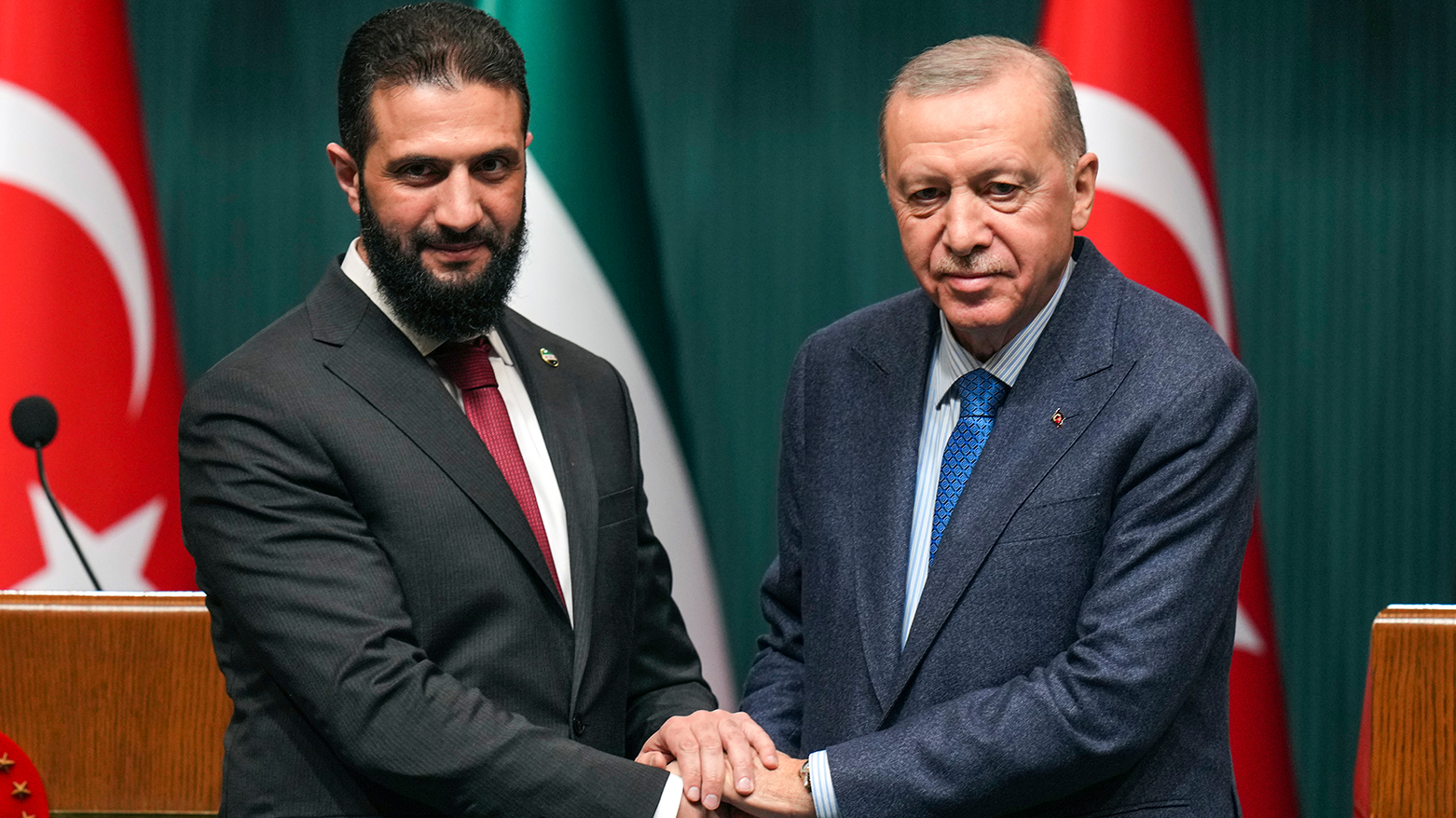
A landmark agreement between the Syrian government and Kurdish forces has dramatically altered the geopolitical landscape in northern Syria, delivering a significant strategic win for Turkey. Announced today, the deal signals the reintegration of Kurdish-held territories under Damascus’ control while bolstering Ankara’s long-standing security objectives in the region.
Under the agreement, the Syrian Democratic Forces (SDF), the main Kurdish militia in northern Syria, have agreed to coordinate with Damascus, allowing the Syrian government to regain authority over key areas, including critical border zones and strategic oil fields. Turkish officials hailed the development as a “historic turning point,” emphasizing that it reduces the influence of Kurdish armed groups linked to the Kurdistan Workers’ Party (PKK), which Ankara has long regarded as a major security threat.
Turkey’s intelligence and diplomatic channels played a central role in facilitating the agreement, maintaining delicate negotiations with both Damascus and Washington to ensure the deal would not destabilize ongoing counter-terrorism operations. Ankara stressed that military operations against Islamic State remnants would continue unhindered, underscoring the deal’s focus on security consolidation rather than conflict escalation.
The pact also has broader regional implications. Analysts say it strengthens Turkey’s position in northern Syria by providing a buffer against Kurdish militias and creating opportunities for closer coordination with both the Syrian government and international partners. By reducing uncertainty along its southern border, Turkey gains strategic leverage in future negotiations over the region’s political and security landscape.
Reactions within Syria and the wider Middle East have been mixed. Kurdish leaders welcomed the chance to maintain autonomy under a cooperative framework but voiced concerns over how rights and governance will be protected under Damascus’ oversight. Regional observers caution that while the agreement represents a short-term stabilization, long-term peace will depend on continued diplomacy, minority protections, and international monitoring.
The deal comes after more than a decade of conflict marked by shifting alliances, foreign interventions, and contested territories. Today’s announcement is seen as a turning point, signaling the potential for reduced hostilities in northern Syria and a recalibration of regional power dynamics.
As the implementation of the agreement begins, Turkey is positioned to consolidate its influence, asserting itself as a decisive player in Syria’s evolving conflict. Experts suggest that this historic move could reshape future negotiations in the region, giving Ankara unprecedented leverage while altering the strategic calculus for Damascus, Kurdish forces, and international stakeholders alike.
The Syria-Kurd deal marks not just a tactical victory for Turkey but a pivotal moment in Middle Eastern geopolitics, setting the stage for a new chapter in the region’s complex and contested power landscape.