








Thailand Dissolves Parliament, Calls Snap Elections Amid Political Turmoil
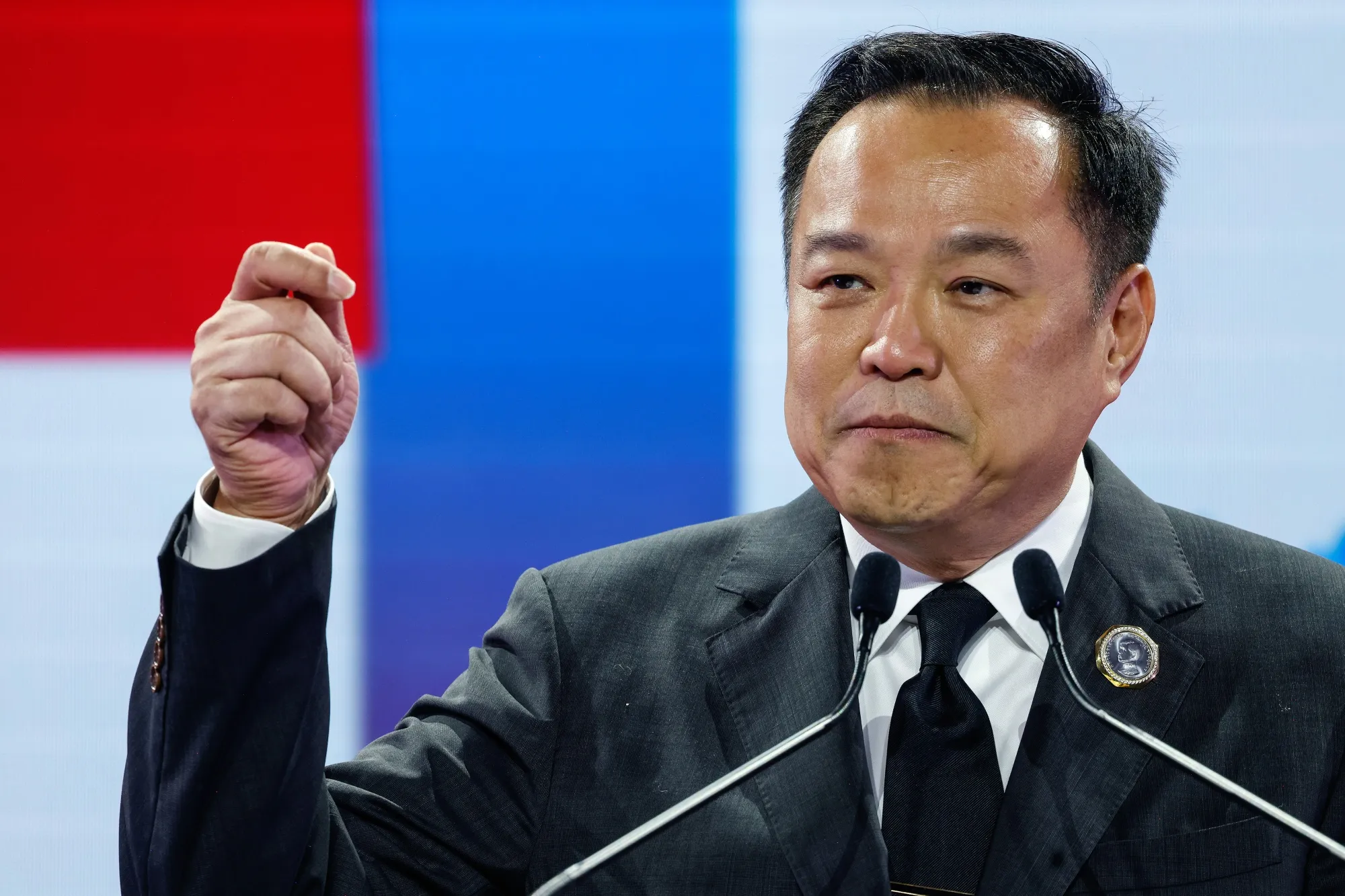
Thailand’s government has officially dissolved parliament, setting the stage for snap elections within 60 days, escalating the nation’s political crisis. The move, approved by King Maha Vajiralongkorn, comes after Prime Minister Anutin Charnvirakul’s coalition government lost its parliamentary majority, plunging the Southeast Asian country into uncertainty ahead of a critical election that will determine its next leadership.
The dissolution marks the first major political shake-up in Thailand since the last general election, with numerous parties now racing to secure seats in the House of Representatives. Analysts say the upcoming vote, scheduled for early February 2026, will be a litmus test for Thailand’s democratic institutions and could reshape the country’s political alliances for years to come.
Political observers highlight that the decision to dissolve parliament reflects growing tension between the ruling coalition and opposition forces. The loss of parliamentary support for Anutin’s administration came after a key coalition partner withdrew backing over disagreements on economic policies and governance priorities. This forced the Prime Minister to seek a fresh mandate from the electorate, aiming to stabilize the government and restore public confidence.
Thailand’s political environment has long been characterized by fluctuations between civilian governments and periods of military influence, and the current situation underscores the fragility of its parliamentary system. Parties across the spectrum are now preparing campaigns, targeting both urban and rural constituencies, with voters paying close attention to economic recovery, inflation, and foreign investment strategies.
The election is expected to be closely monitored internationally, as Thailand plays a central role in Southeast Asian politics and the Association of Southeast Asian Nations (ASEAN). Investors and regional partners are watching the developments carefully, concerned that political instability could impact trade, tourism, and broader economic growth.
Election authorities have assured that preparations for voting are underway, with security and logistical measures being implemented nationwide. Campaigning will intensify over the coming weeks as political parties seek to persuade voters, and analysts predict high voter turnout given the stakes involved.
As Thailand heads into a critical election period, the nation faces the challenge of balancing political competition with stability. The dissolution of parliament is a significant step that opens the door to new leadership, while the outcome of the upcoming elections will shape Thailand’s domestic and international trajectory for the foreseeable future.