




US Strengthens Military Presence in Middle East as Iran Warns of Forceful Retaliation
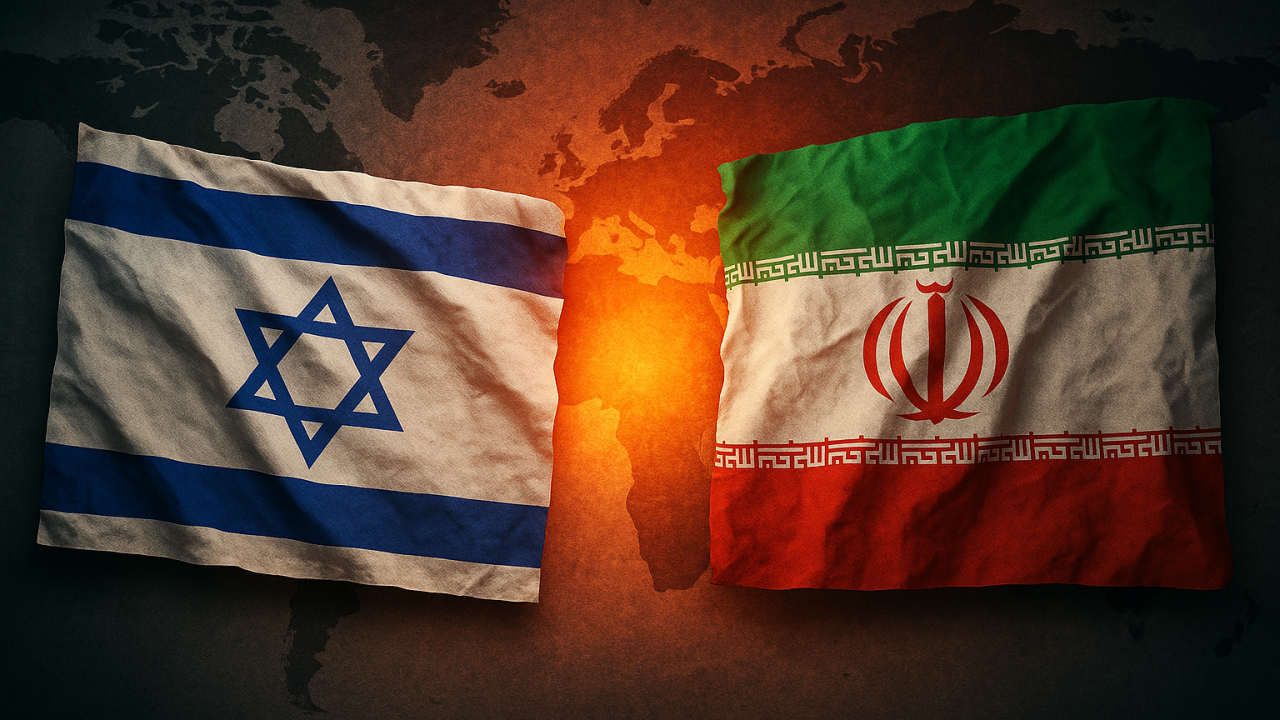
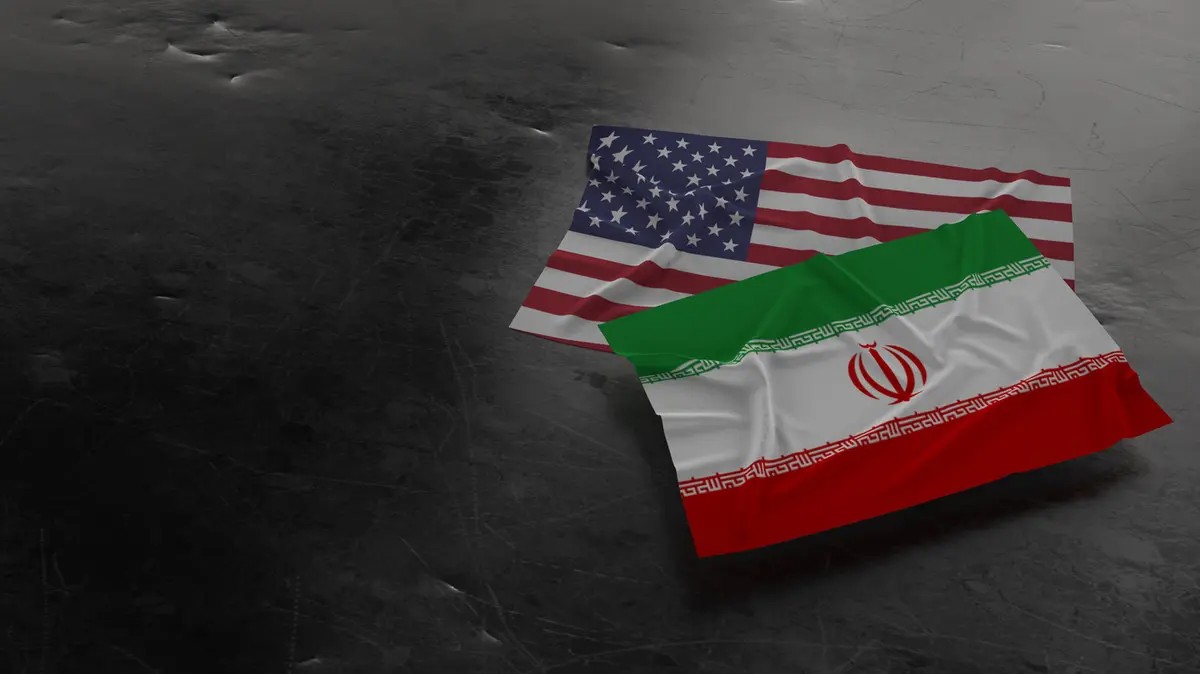
The United States has significantly increased its military presence across the Middle East amid rising tensions with Iran, prompting warnings from Tehran of a forceful response to any attack. The deployment includes additional fighter jets, missile defense systems, and the USS Abraham Lincoln carrier strike group, strategically positioned in the Gulf to reinforce deterrence, protect U.S. interests, and support regional allies.
Iranian Foreign Minister Abbas Araghchi issued a statement warning that Iran’s armed forces are ready to respond decisively if the country is targeted, emphasizing that any aggression would be met with “everything we have.” The warning comes against a backdrop of growing domestic unrest in Iran, economic pressures, and international scrutiny over its nuclear program and regional activities. Observers say the heightened rhetoric reflects a more assertive posture by Tehran to defend its sovereignty and project strength amid global scrutiny.
U.S. officials have described the military buildup as a precautionary measure intended to deter potential aggression and maintain stability in a volatile region. While emphasizing military readiness, Washington also stressed that diplomatic channels remain open, encouraging Iran to engage in dialogue to prevent escalation. The U.S. has reaffirmed its commitment to defending allies and ensuring freedom of navigation in the Gulf and surrounding waterways, which are critical for global trade.
The situation has raised concerns among regional governments hosting U.S. military bases, wary of becoming caught in the crossfire. Analysts highlight that even limited incidents could quickly escalate, drawing multiple countries into broader confrontations. The deployment underscores the fragility of Middle East security, where longstanding disputes and geopolitical rivalries intersect with global interests.
International actors have called for restraint on all sides, urging both Washington and Tehran to avoid provocative actions. United Nations representatives have encouraged dialogue to reduce tensions, highlighting the risk that any misstep could trigger wider instability.
As U.S. forces continue to arrive in the region, world leaders and analysts are closely monitoring developments. The coming weeks are expected to test the balance between military deterrence and diplomatic engagement, with the potential for either de-escalation or further strain on already fragile regional stability. The actions taken now could shape the trajectory of Middle East security and international relations for months to come.