








World’s Climate Crisis Deepens as 32 Fossil Fuel Firms Responsible for Half of Global CO₂ Emissions
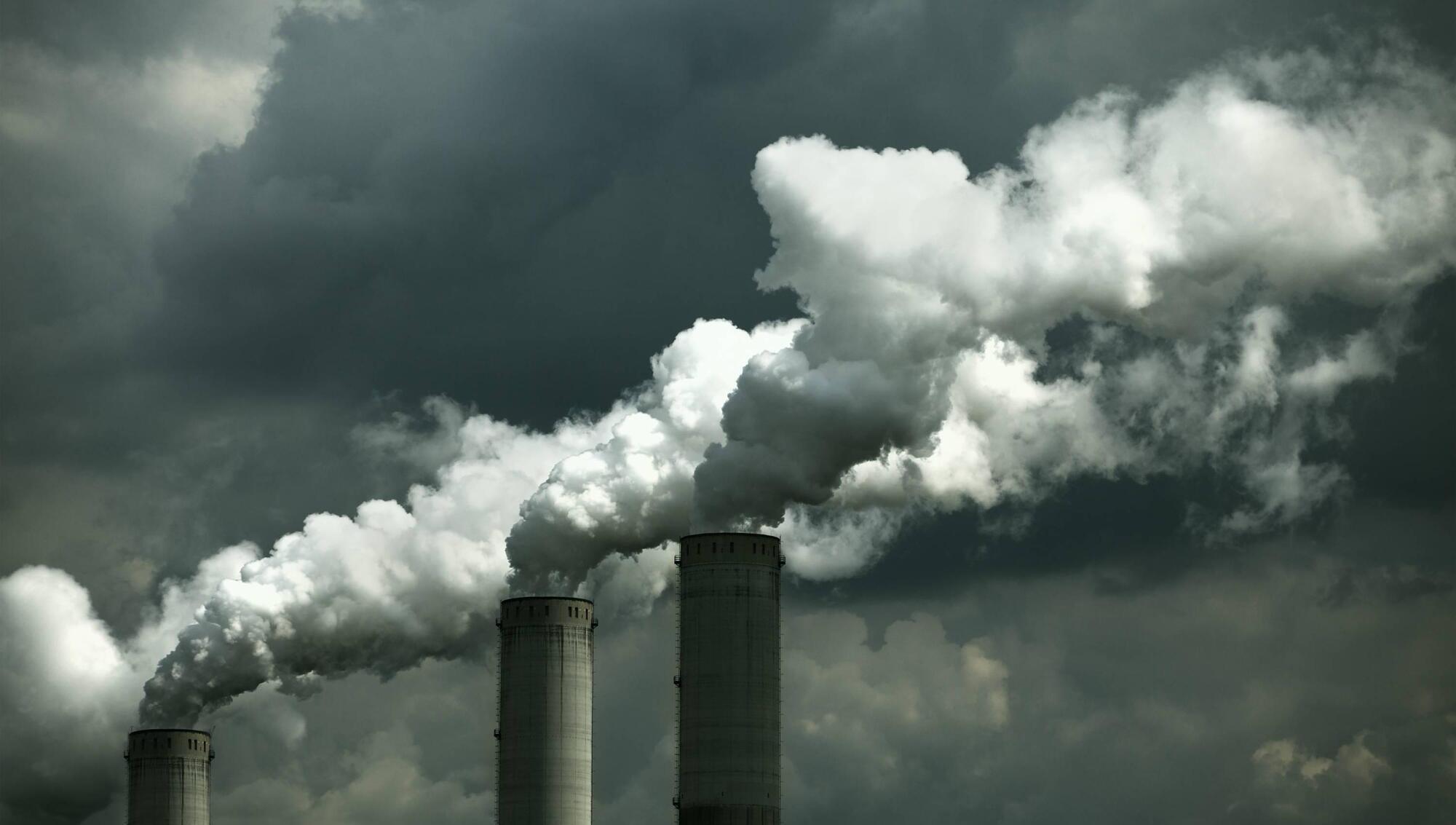
A groundbreaking new study has revealed that just 32 fossil fuel companies are responsible for half of all carbon dioxide emissions worldwide, highlighting the disproportionate impact of a small number of corporations on the planet’s climate crisis. Researchers warn that these companies’ continued production of coal, oil, and gas is accelerating global warming and raising urgent questions about accountability and responsibility for climate action.
The study, conducted by a team of international scientists, traced industrial carbon emissions back to their corporate sources over several decades. It found that the companies, many of which are major oil and gas multinationals, have collectively released billions of tons of CO₂ into the atmosphere, contributing to rising global temperatures, melting ice caps, and increasingly severe weather events.
Environmental experts say the findings underscore the importance of targeting both production and consumption in efforts to mitigate climate change. “It’s not enough to focus on individual behavior,” said one climate policy analyst. “These corporations hold enormous responsibility, and governments must act to regulate emissions and incentivize a transition to clean energy.”
The report comes amid mounting international pressure on governments and corporations to meet the goals of the Paris Agreement, which seeks to limit global temperature rise to well below 2°C above pre-industrial levels. Despite decades of warnings, fossil fuel production has continued to climb, and many of the companies identified in the study have faced criticism for lobbying against climate policies while expanding extraction projects in sensitive ecosystems.
The study has sparked debate over legal and financial accountability, with climate activists calling for measures such as carbon taxes, stricter emissions caps, and even litigation to compel the firms to pay for environmental damage. Investors and policymakers are increasingly scrutinizing corporate climate commitments, and the report adds urgency to discussions about divesting from high-carbon industries.
While renewable energy and sustainable practices are gaining traction, the concentration of emissions in a small number of firms illustrates the scale of the challenge. Experts warn that meaningful action by these companies, combined with strong policy enforcement, is essential to prevent catastrophic climate impacts and protect vulnerable communities worldwide.
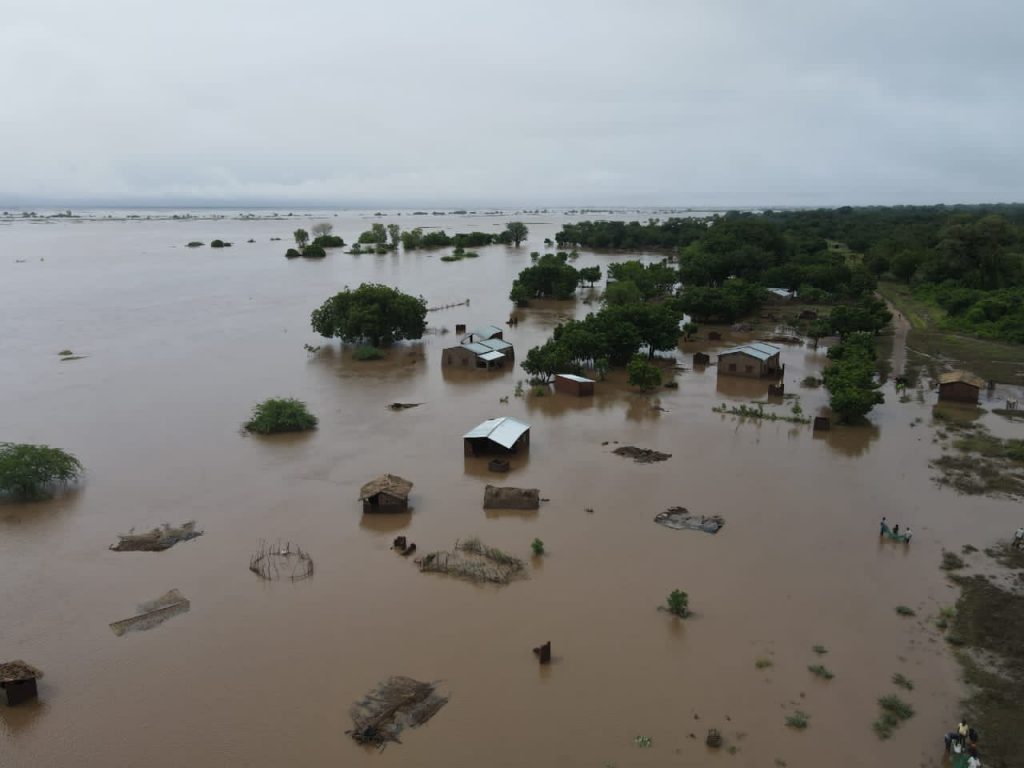
As the world faces record-breaking heatwaves, floods, and droughts, this study serves as a stark reminder that the climate crisis is not a diffuse problem — it is heavily driven by a handful of powerful actors whose decisions will shape the future of the planet.