









Indian Rupee Plunges Near Record Low Against Dollar, Raising Economic Concerns
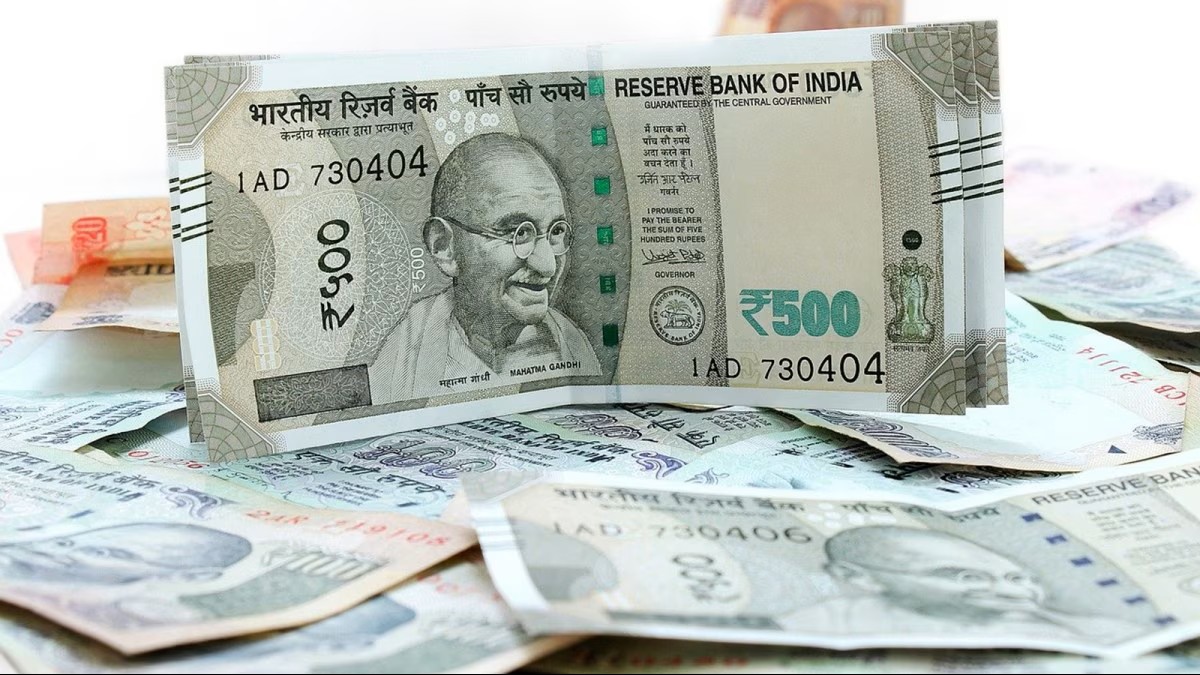
The Indian rupee slumped sharply against the US dollar today, trading at around ₹91.96, close to its all-time lows, as sustained dollar demand from importers and cautious investor sentiment put intense pressure on the domestic currency. The decline marks one of the steepest in recent months, prompting concerns about its impact on inflation, imports, and the broader economy.
Analysts say the rupee’s slide is driven largely by strong corporate demand for dollars to pay for crude oil, electronics, machinery, and other essential imports. With India heavily reliant on foreign goods for energy and industrial production, the imbalance between supply and demand in the foreign exchange market has widened, pushing the rupee lower. Financial experts warn that continued pressure on the currency could increase the cost of imported products, affecting both businesses and consumers.
Domestic equity markets also reacted to the currency’s fall. Benchmark indices such as the Sensex and Nifty 50 recorded notable losses today, reflecting investor caution in the face of currency volatility. Traders say a weakening rupee often influences market sentiment, especially for companies with significant foreign exposure or debt denominated in dollars.
Economists note that a weaker rupee can translate into higher import costs, particularly for crude oil, which remains India’s largest import. Rising energy and commodity prices may push up manufacturing costs and, ultimately, consumer prices, intensifying inflationary pressures. At the same time, companies earning revenue in foreign currency may benefit, creating a complex scenario for policymakers.
The Reserve Bank of India (RBI) has historically intervened in forex markets to smooth excessive volatility, but it has not issued any statement regarding today’s movements. Market participants will closely watch for potential central bank action in the coming days, especially with India’s national budget scheduled soon, as the government’s fiscal policies could influence currency stability.
Global factors also continue to play a role. The US dollar remains strong against most currencies due to rising interest rates and geopolitical uncertainties, further weighing on emerging market currencies like the Indian rupee. Analysts believe that unless there is a sudden shift in demand or global dollar strength eases, the rupee may remain under pressure in the short term.
As the rupee hovers near record lows, businesses, policymakers, and consumers alike are preparing for the economic ripple effects, making currency stability one of the key priorities for India’s financial sector in the months ahead.