




U.S. Envoys Push Israel to Advance Gaza Ceasefire as Diplomatic Pressure Intensifies
U.S. envoys traveled to Israel to urge Prime Minister Benjamin Netanyahu to move forward with the second phase of the Gaza ceasefire agreement, as international efforts intensify to stabilize the region and address growing humanitarian concerns. The initial ceasefire, established last October, successfully paused hostilities, but progress toward a more comprehensive and lasting peace has been slow.
The American delegation, including senior Middle East advisers, met with Netanyahu to discuss steps that could ease border restrictions, facilitate reconstruction, and further demilitarize Gaza. Officials say the talks also focused on recovering the remains of the last Israeli hostage and implementing security measures to prevent renewed clashes.
A key milestone for advancing the ceasefire would be the reopening of the Rafah border crossing with Egypt, which is vital for the movement of goods and people. Egyptian diplomats and international partners have called for full access to address urgent humanitarian needs in Gaza.
Netanyahu’s government has faced internal pressures to link progress on the second phase with the return of the final hostage, complicating decision-making and drawing criticism from international observers. Palestinian officials and ceasefire mediators are exploring options for international monitoring and partial withdrawal of Israeli forces from certain Gaza areas as part of the next phase.
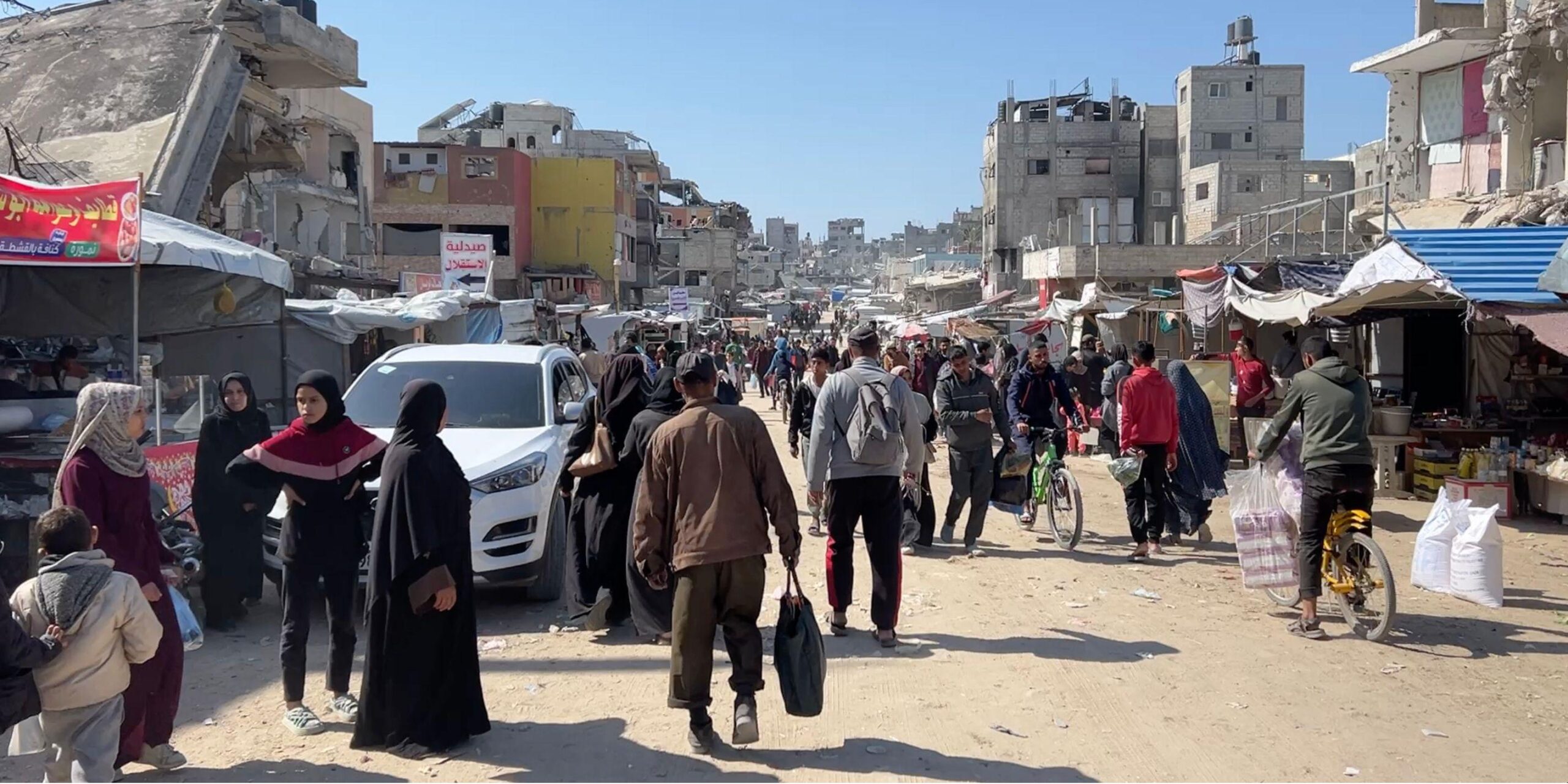
Residents of Gaza continue to face severe challenges, including damaged infrastructure, limited access to basic services, and ongoing security threats. Sporadic flare-ups underscore the fragility of the current truce and highlight the urgency for a more durable resolution that addresses both political and humanitarian concerns.
As the envoys return to Washington, diplomatic sources say the coming days will be critical in determining whether negotiations can produce tangible progress. The situation illustrates the delicate balance of international diplomacy, regional politics, and the deep human consequences of prolonged conflict in one of the Middle East’s most volatile areas.