



UK Joins Historic 100 GW North Sea Wind Power Project, Leading Europe’s Renewable Revolution
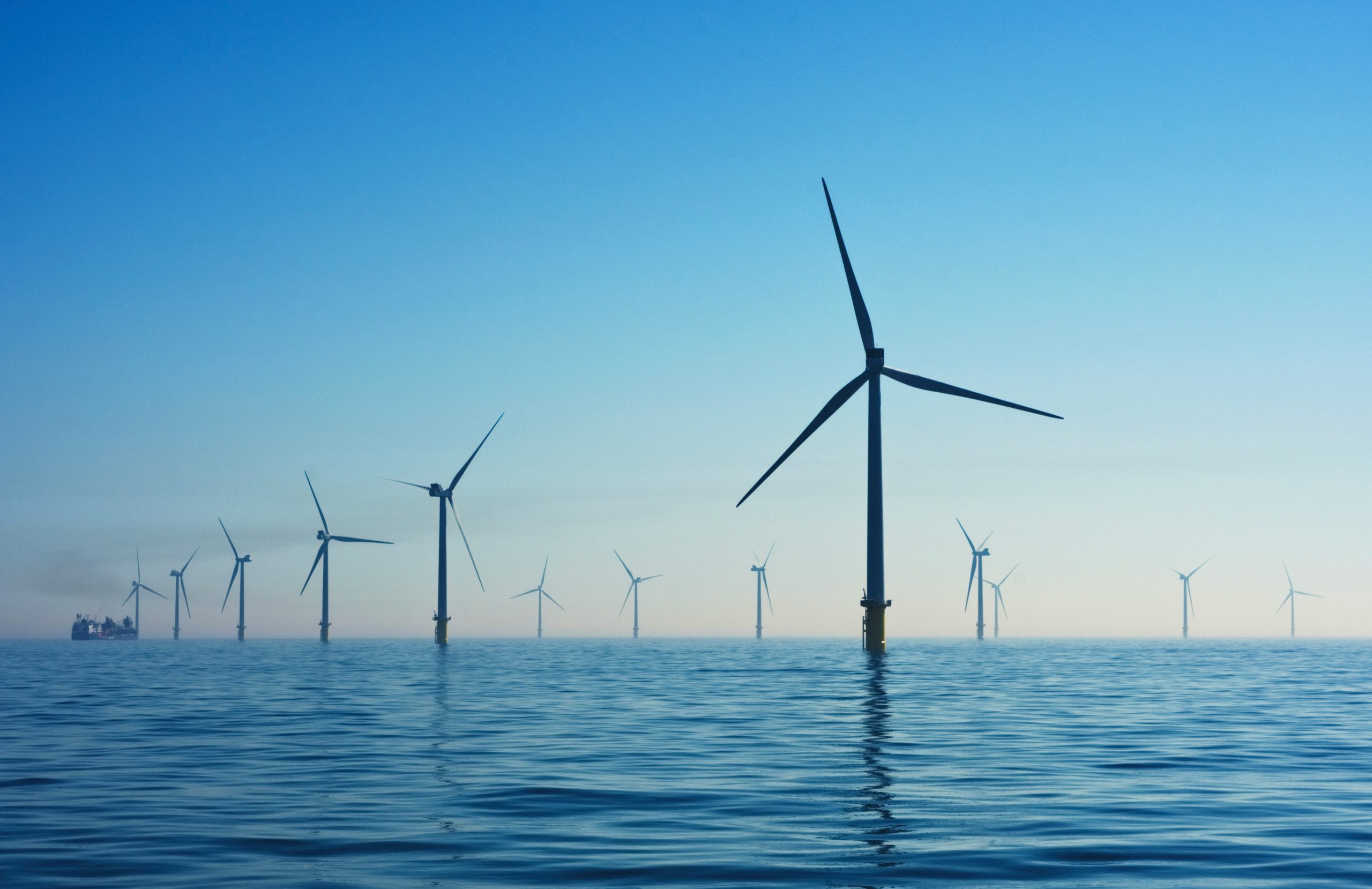
The United Kingdom has joined nine European nations in a landmark agreement to develop 100 gigawatts (GW) of offshore wind power in the North Sea, a move hailed as a major milestone in Europe’s clean energy transition. The pact, signed at a summit in Hamburg, brings together Britain, Germany, France, Denmark, the Netherlands, Belgium, Norway, Iceland, Ireland, and Luxembourg in a shared effort to accelerate renewable energy production and strengthen energy security.
Under the agreement, the countries will build and interconnect offshore wind farms through high-voltage subsea cables, enabling the efficient distribution of electricity across borders. UK Energy Secretary Ed Miliband described the initiative as “a decisive step toward reducing fossil fuel dependence while delivering affordable, clean energy for households and businesses.”
The 100 GW project forms part of a broader European ambition to reach 300 GW of collective offshore wind capacity by 2050, reinforcing commitments to net-zero emissions and climate resilience. Analysts note that cross-border collaboration will help lower costs, optimise production, and accelerate industrial investment in turbines, grid infrastructure, and renewable energy supply chains.
Industry leaders welcomed the pact, highlighting the economic benefits of large-scale cooperation. The project is expected to create thousands of jobs in renewable energy, manufacturing, and engineering sectors across Europe. Experts say it will also enhance energy resilience, protecting countries from fluctuations in global fossil fuel markets.
Britain’s domestic offshore wind sector has already seen rapid growth, with record capacities secured in recent energy auctions. The North Sea initiative is expected to further boost domestic investment while positioning the UK as a leader in renewable energy innovation.
Officials emphasized that the project is not only an environmental milestone but also a strategic move for European energy security. By pooling resources and sharing infrastructure, the nations involved aim to create a highly integrated renewable power network capable of meeting rising energy demands while reducing carbon emissions.
As wind and solar generation increasingly surpass fossil fuels in parts of Europe, the North Sea project is shaping up to become a historic example of multinational coordination on clean energy. Analysts say it underscores the UK’s commitment to a sustainable energy future while strengthening Europe’s leadership in the global transition toward low-carbon power.
The 100 GW North Sea wind project marks a bold step for the UK and its partners, signaling a transformative era for renewable energy, economic growth, and international cooperation.