








Global Climate Alarm: U.S. Exits Paris Agreement, Sparks Worldwide Criticism
The United States has formally withdrawn from the Paris Climate Agreement, igniting global concern over the future of international climate action. The move, which took effect on January 27, 2026, marks a major shift in U.S. environmental policy and has drawn sharp criticism from governments, environmental groups, and scientists worldwide.
As one of the world’s largest historic emitters of greenhouse gases, the U.S. played a central role in setting targets to limit global warming. Experts warn that its departure could undermine the collective efforts needed to prevent catastrophic climate change, weaken global commitment, and slow the adoption of clean energy policies in other nations.
Amnesty International described the withdrawal as a “disturbing precedent,” warning that it could trigger a “race to the bottom” in climate ambition. United Nations officials echoed the sentiment, stressing that continued international cooperation is essential to meeting global temperature goals and protecting vulnerable populations from extreme weather, rising sea levels, and other climate impacts.
European leaders and climate advocates quickly reaffirmed their commitment to the Paris goals, pledging to strengthen their own climate initiatives. Analysts say the U.S. exit could be partially offset if other major economies, such as China and the European Union, increase their climate leadership. Still, the absence of U.S. federal engagement remains a serious challenge to coordinated global action.
Within the U.S., several states, cities, and businesses have pledged to continue reducing emissions despite federal withdrawal. Coalitions of states are pursuing policies to meet Paris targets locally, signaling that subnational efforts could partially sustain progress in emissions reductions.
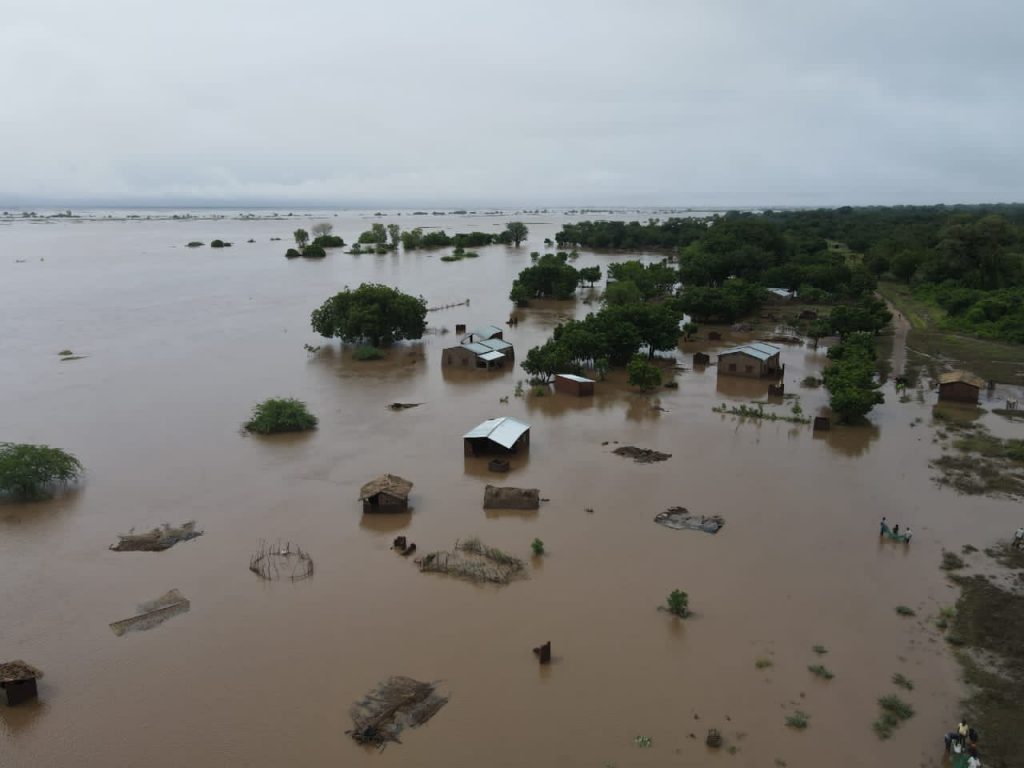
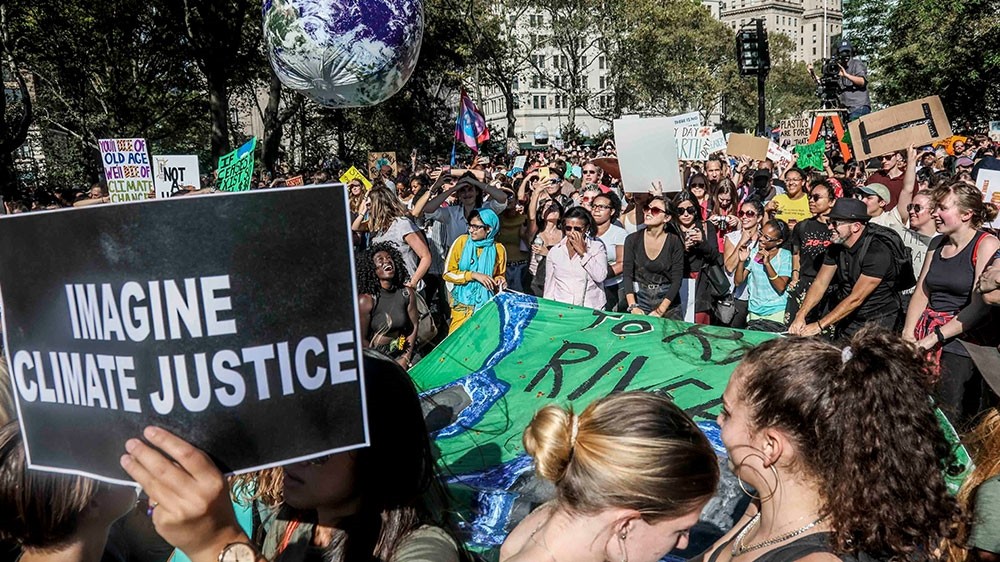
Environmental groups stress that the decision underscores the urgency of climate action. The impacts of rising temperatures, extreme weather events, and environmental degradation are becoming increasingly visible worldwide, making international collaboration more critical than ever.
As the world responds to this pivotal policy shift, the U.S. departure from the Paris Agreement is likely to shape the global climate agenda for years, influencing negotiations, investments in green technologies, and efforts to protect communities most affected by climate change.