





UK Politics: Labour Faces Backlash Over Blocking Andy Burnham in Byelection
Labour is facing a storm of criticism after the party’s National Executive Committee (NEC) voted to block Greater Manchester Mayor Andy Burnham from standing in the upcoming Gorton and Denton by-election. The decision, announced on Monday, has sparked concern among party members and commentators, raising questions about leadership decision-making and the role of local representation.
Burnham, a prominent figure in UK politics, expressed disappointment at the NEC ruling. In a statement, he said the decision was “disheartening” and warned it could affect Labour’s chances in the by-election. Reports indicate that the vote ended 8–1 against Burnham, with only Deputy Leader Lucy Powell supporting his candidacy.
The move has divided opinion within the party. Some MPs argue that excluding Burnham, who is widely popular locally, risks weakening Labour’s campaign and alienating supporters. Critics suggest the decision prioritises internal strategy over democratic choice and may erode trust among local voters. Supporters of the NEC ruling, however, insist it was a necessary step to ensure resources are focused on key constituencies ahead of broader elections.
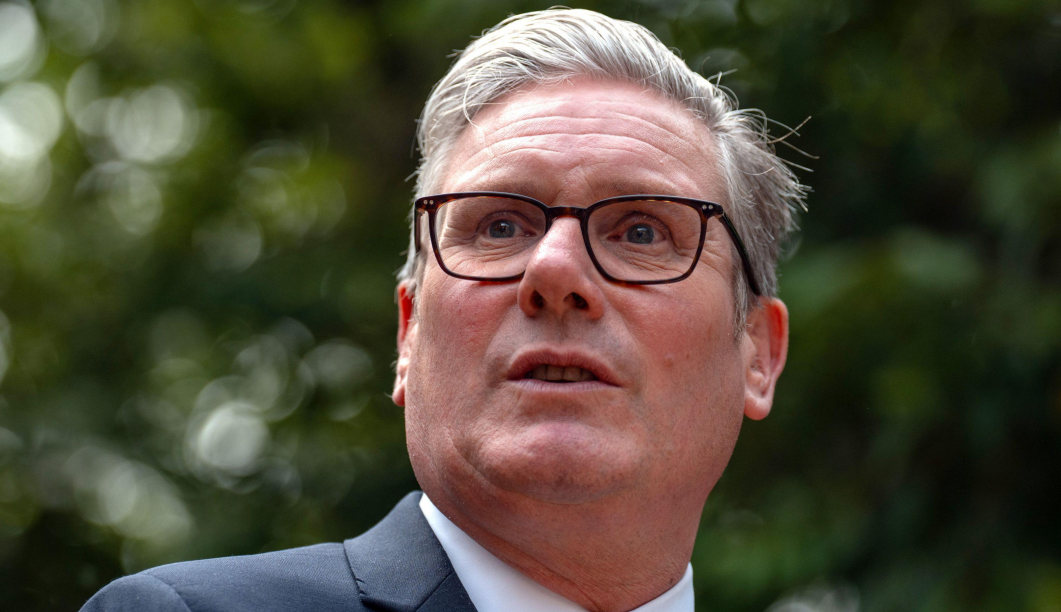
Prime Minister Sir Keir Starmer defended the decision, describing it as a strategic move rather than a personal judgement. He emphasised that the party must carefully manage resources and candidate selection to maximise electoral success, especially with local elections approaching.
Analysts say the controversy reflects a wider tension in UK politics between central party control and local autonomy. High-profile figures like Burnham bring experience and recognition, but balancing their ambitions with party strategy can create friction. With multiple elections on the horizon, the Labour leadership’s handling of candidate selection could influence public perception of the party’s unity and transparency.
The NEC ruling has already generated heated debate. Some Labour supporters fear the decision may alienate local voters, while others argue it strengthens party cohesion. Burnham’s exclusion underscores the delicate balancing act political parties face when managing prominent figures while maintaining fairness and credibility.
As the by-election approaches, attention will focus on how Labour manages the fallout and whether the decision impacts its electoral performance. For now, the controversy highlights a central challenge in UK politics: ensuring strong leadership while keeping the voices of local constituents at the heart of decision-making.