









Asian Business Markets Surge as Dollar Slides, Currencies Strengthen
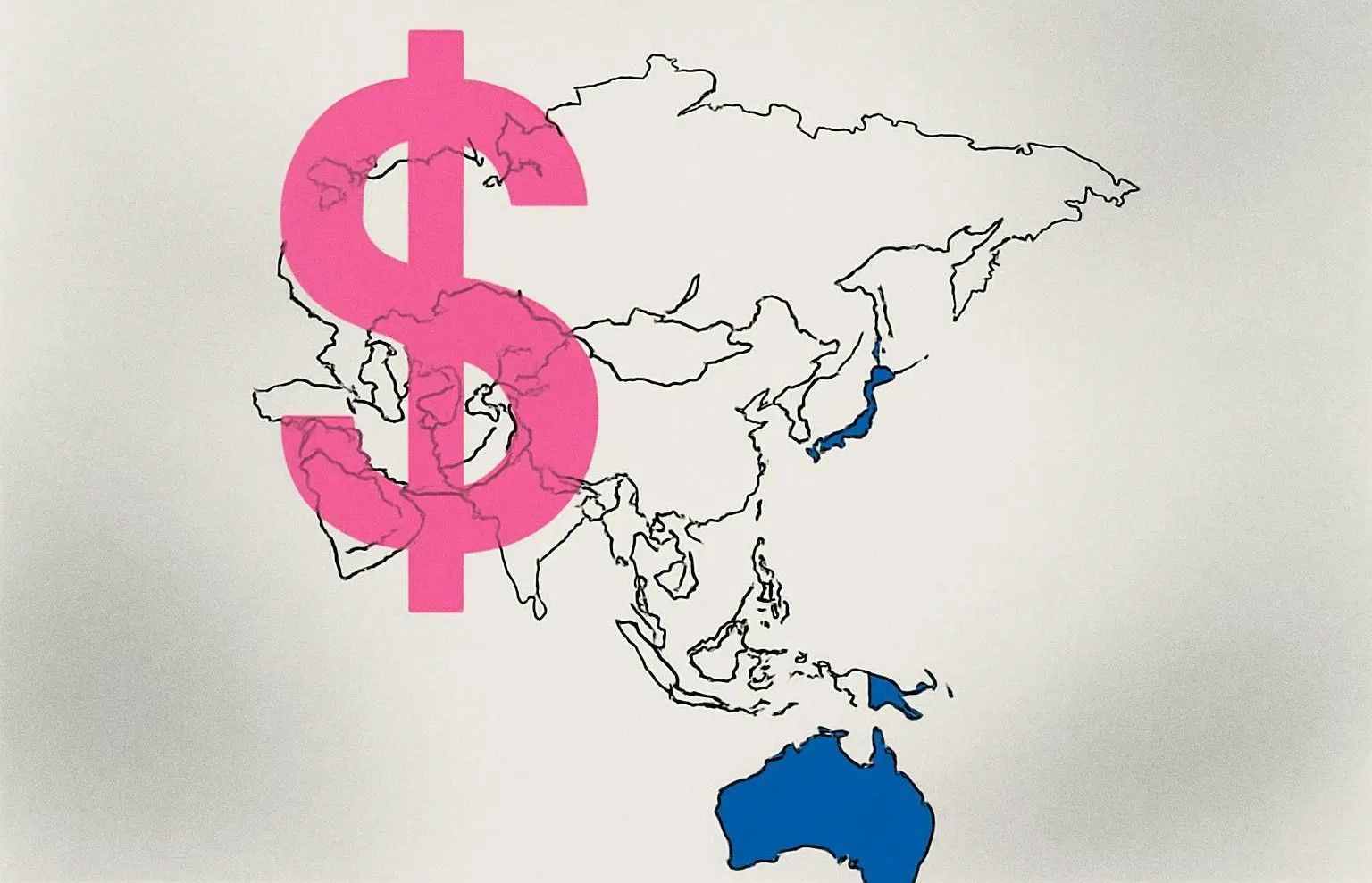
Asian markets rallied sharply today as the U.S. dollar weakened against major currencies, prompting gains across equities and strengthening regional currencies. Investors responded positively to the dollar’s decline, viewing it as an opportunity to capitalize on local market assets and emerging export prospects.
Stock indices across the region rose steadily in early trading, with Tokyo’s Nikkei 225 gaining more than 1%, Hong Kong’s Hang Seng up by 0.9%, and South Korea’s Kospi advancing 1.1%. Financial analysts attribute the surge to a combination of dollar weakness, optimism around global trade, and expectations of supportive central bank policies.
The U.S. dollar has declined to multi-year lows, reflecting investor caution ahead of upcoming Federal Reserve policy announcements. Analysts say that a softer dollar tends to benefit Asian exporters, making goods priced in local currencies more competitive in international markets. “A weaker dollar is giving Asian markets a significant boost today, especially in sectors tied to technology, industrial exports, and commodities,” said Hiroshi Tanaka, a market strategist in Tokyo.
Regional currencies also strengthened against the greenback. The Japanese yen climbed to a four-month high, while the South Korean won and Malaysian ringgit appreciated by 0.7% and 0.5%, respectively. Currency traders cited dollar weakness combined with positive economic data from China and Southeast Asia as the main drivers. Strong manufacturing and export reports from China added further optimism to market sentiment, signaling continued regional growth.
Investors are also keeping a close eye on potential geopolitical developments, global commodity prices, and inflation trends that could influence central bank decisions across the region. Analysts suggest that while the short-term market reaction is bullish, traders remain cautious, aware of volatility that could emerge from shifts in U.S. interest rates or international trade tensions.
Market observers note that the current rally reflects a broader trend of capital flow into Asian markets as global investors diversify away from the dollar. “This is a strategic moment for Asian economies,” said Tanaka. “The combination of a soft dollar, strong domestic fundamentals, and positive trade data is fueling confidence among investors.”
As trading continues, market watchers predict sustained momentum in equities and currencies if the dollar remains weak and regional economic indicators continue to perform above expectations. Today’s gains reinforce Asia’s growing significance in global financial markets and its resilience amid international economic uncertainty.