

Bangladeshi Women Struggle to Break Political Barriers Amid Election Backlash
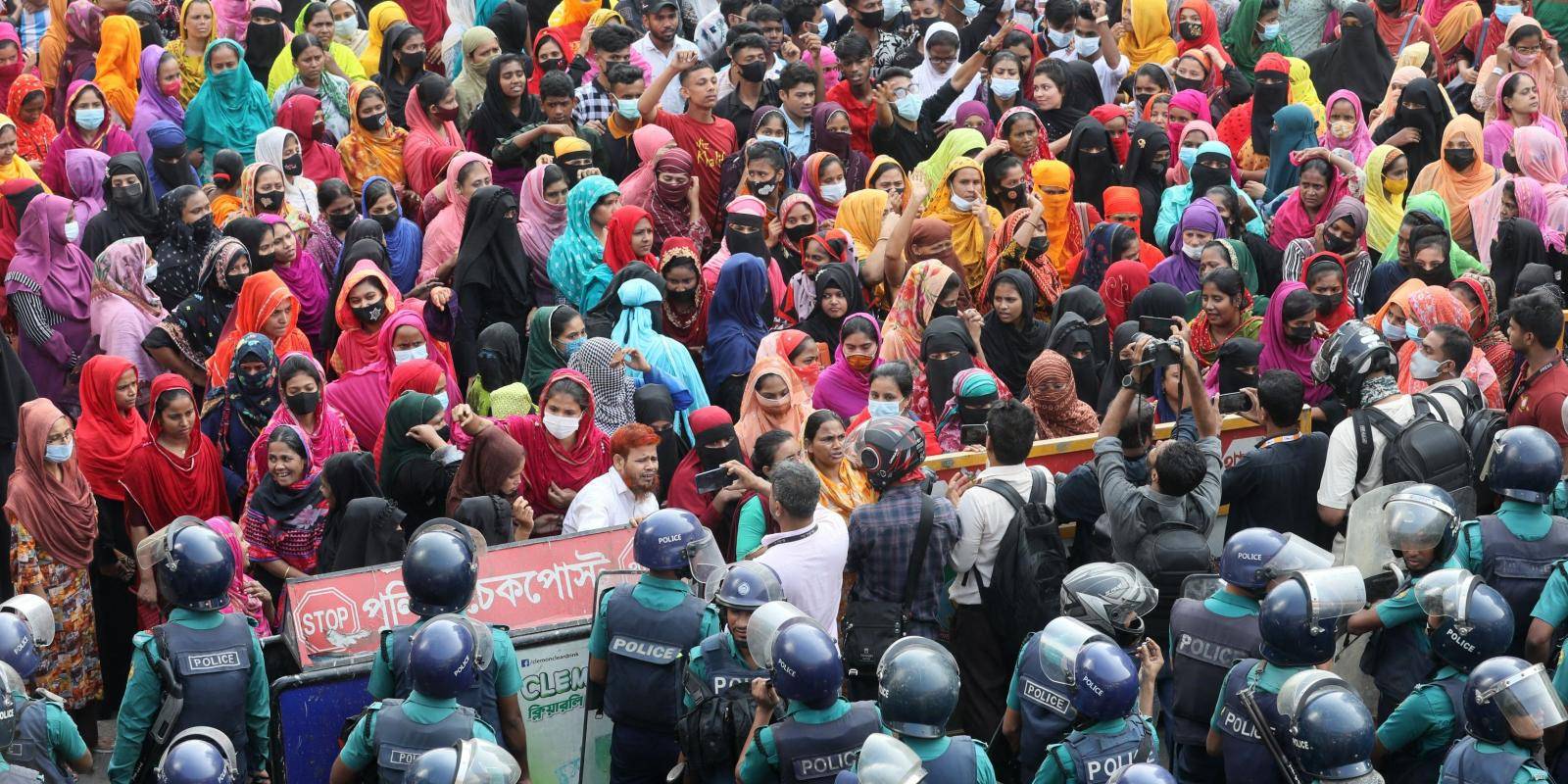
As Bangladesh approaches its critical parliamentary elections next month, women candidates are facing severe exclusion from the political process, highlighting a growing backlash against female participation. Despite significant achievements in education, civil service, and economic sectors, women remain drastically underrepresented in the upcoming elections. Out of hundreds of candidates contesting general seats, only a small fraction are women, exposing the persistent gender gap in political decision-making.
Major political parties have largely sidelined female candidates. While some parties nominated a handful of women, others, including certain Islamist parties, did not nominate any. This exclusion reflects deeper structural barriers within party hierarchies, where women are often denied opportunities to compete for influential roles. Experts say this not only undermines democracy but also discourages future generations of women from engaging in politics.
Cultural norms and societal pressures further exacerbate the problem. Women candidates frequently face harassment, threats, and intimidation, both online and offline. These obstacles create a hostile environment, deterring many capable women from standing for election despite the country having been led by female prime ministers in the past. Human rights observers warn that rising gender-based violence and political intimidation are creating an increasingly unsafe space for women in politics.
Activists stress that genuine representation requires structural reforms, including mandatory party quotas for female candidates, safe campaigning environments, and broader societal support. Without these measures, the voices of half the population risk being systematically marginalized at the ballot box. As Bangladesh heads toward elections, the struggle of women to gain political foothold serves as a stark reminder of the ongoing battle for equality in governance.