





Europe Under Water as Climate Warnings Grow Louder
Europe is facing a renewed wave of floods, storms and extreme weather events that scientists say are clear signals of a deepening climate crisis, yet political momentum to address the threat remains uneven across the continent. From submerged neighborhoods in western Europe to battered coastal towns in the south, the impacts of rising temperatures are becoming harder to ignore.
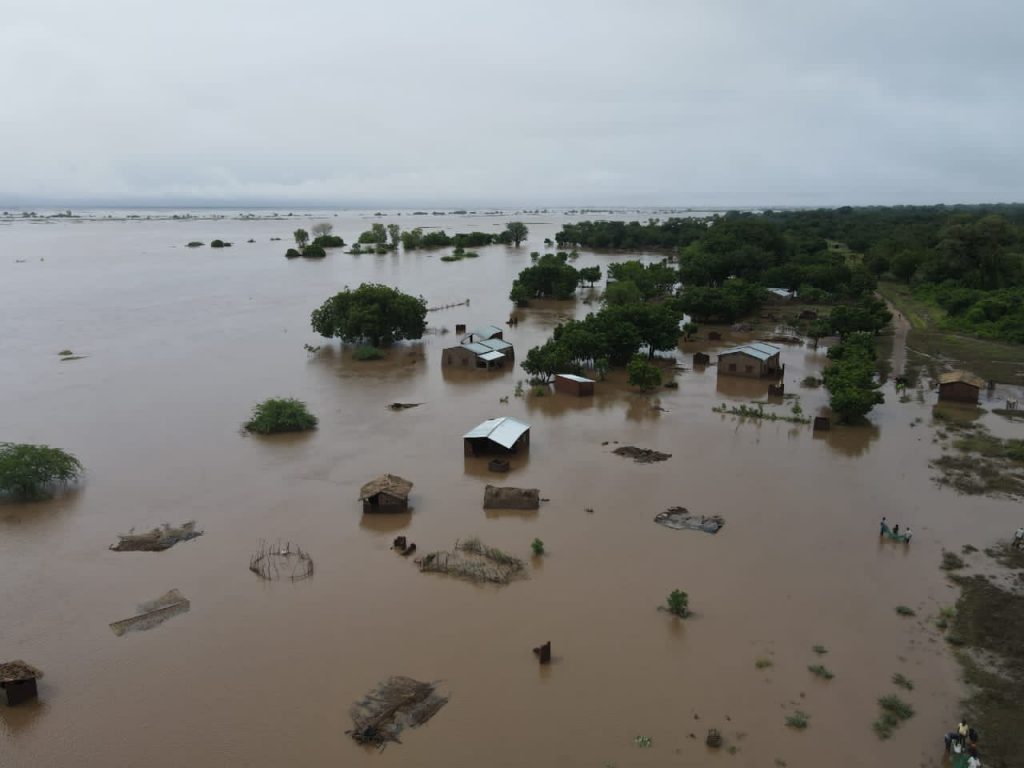
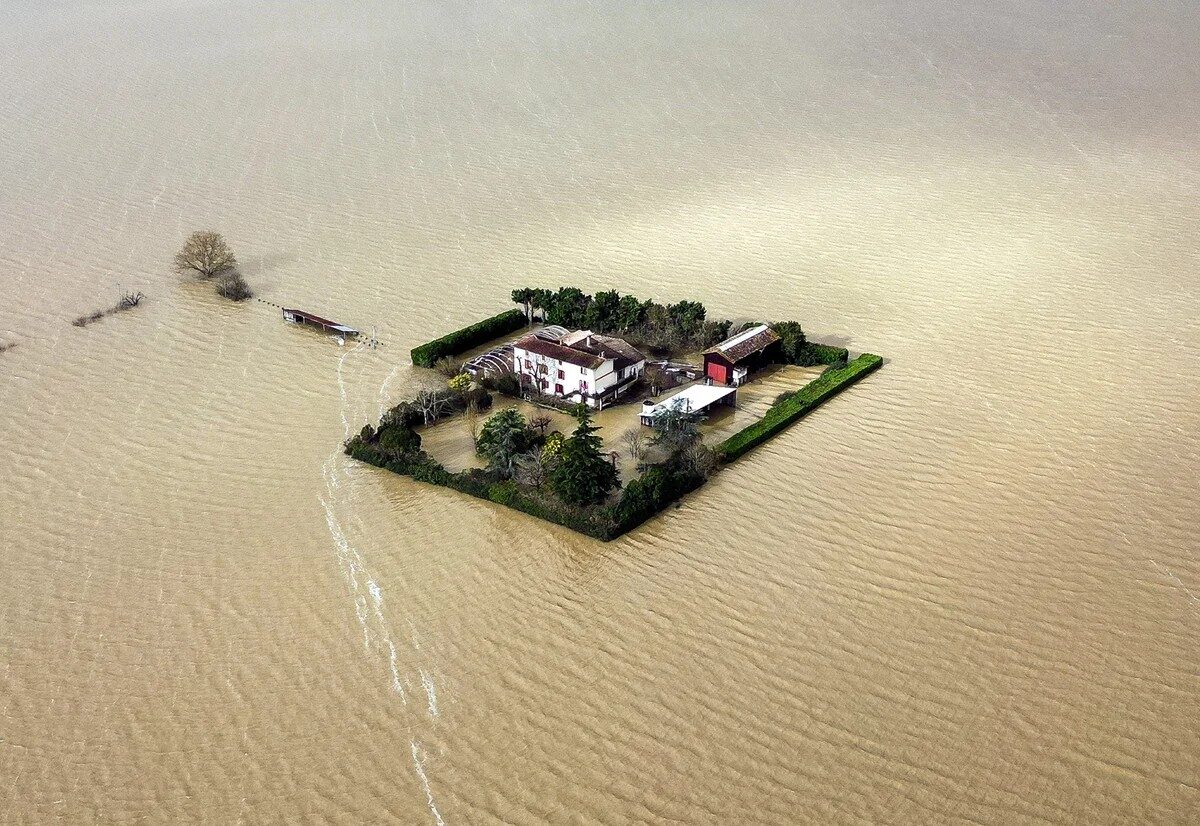
In recent months, record rainfall has overwhelmed riverbanks and drainage systems, forcing thousands from their homes and disrupting transport, agriculture and local economies. Emergency crews have carried out rescues in flood-stricken regions, while governments scramble to repair damaged infrastructure. Insurers are also reporting rising claims linked to climate-related disasters, adding financial strain to already pressured economies.
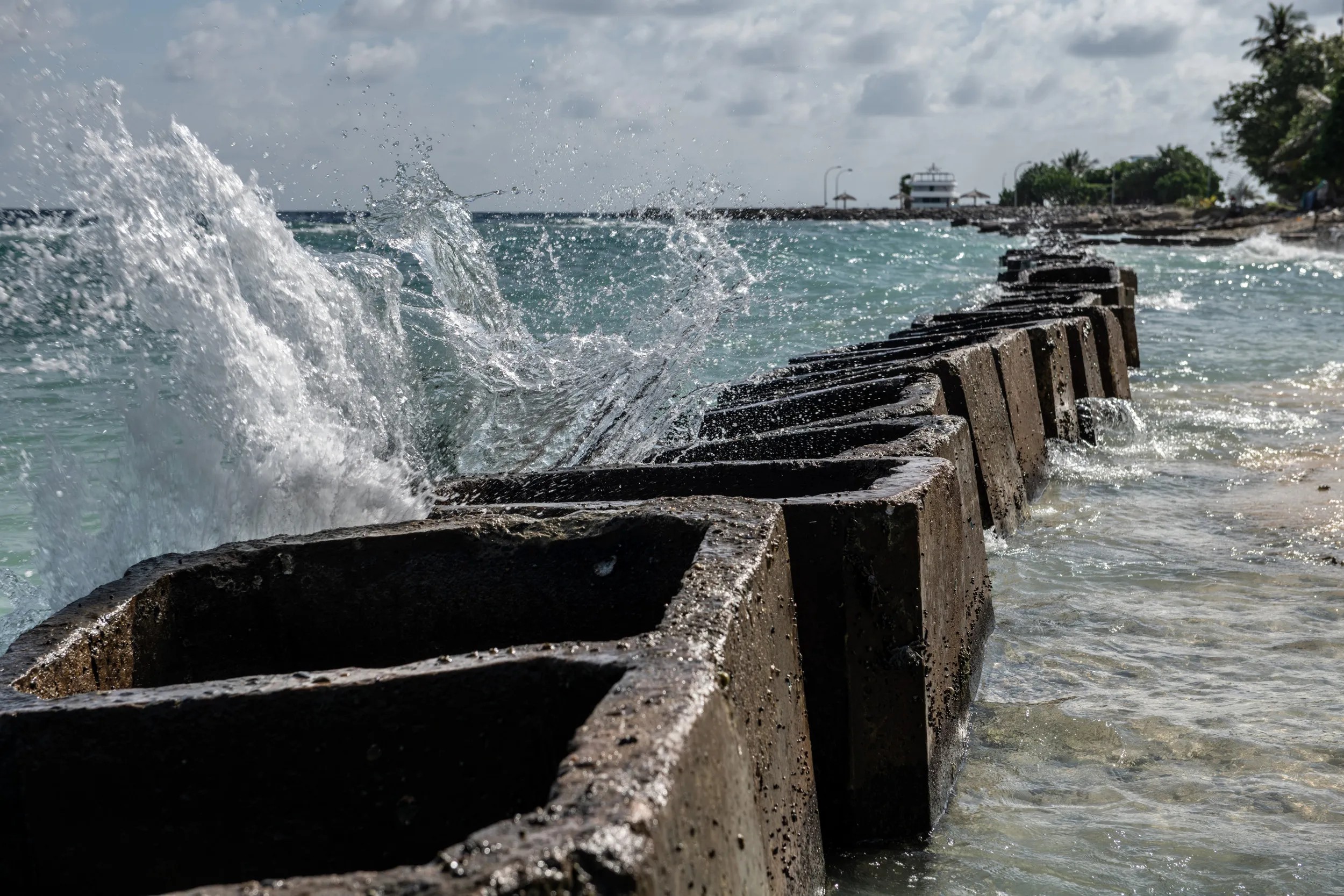
Climate scientists warn that warmer air holds more moisture, increasing the intensity of rainfall and storms. At the same time, rising sea levels are amplifying the impact of storm surges in low-lying coastal areas. Experts say these events are no longer isolated incidents but part of a broader pattern linked to global warming.
Despite mounting evidence, political consensus on climate action remains fragile in parts of Europe. Some policymakers argue that economic pressures, energy security concerns and voter fatigue are slowing ambitious green reforms. Others insist that delaying climate adaptation and emissions cuts will ultimately cost far more in recovery spending and economic disruption.
Environmental advocates say the recent disasters should serve as a turning point. They are urging governments to accelerate investments in flood defenses, resilient infrastructure and renewable energy, while strengthening emission reduction targets. The European Union has pledged to lead global climate efforts, but implementation varies widely among member states.
Communities on the front lines are increasingly vocal. Residents in repeatedly flooded towns are demanding better planning and stronger protections. Farmers facing crop losses are calling for climate-resilient agricultural strategies. Businesses, too, are beginning to factor climate risks into long-term planning.
As Europe confronts another season of extreme weather, the question is no longer whether climate change is affecting the continent, but how quickly leaders will respond. With scientific warnings growing sharper and weather events more destructive, the urgency for coordinated, decisive action has never been greater.