




Middle East Tensions and Shifting Alliances Draw Global Attention
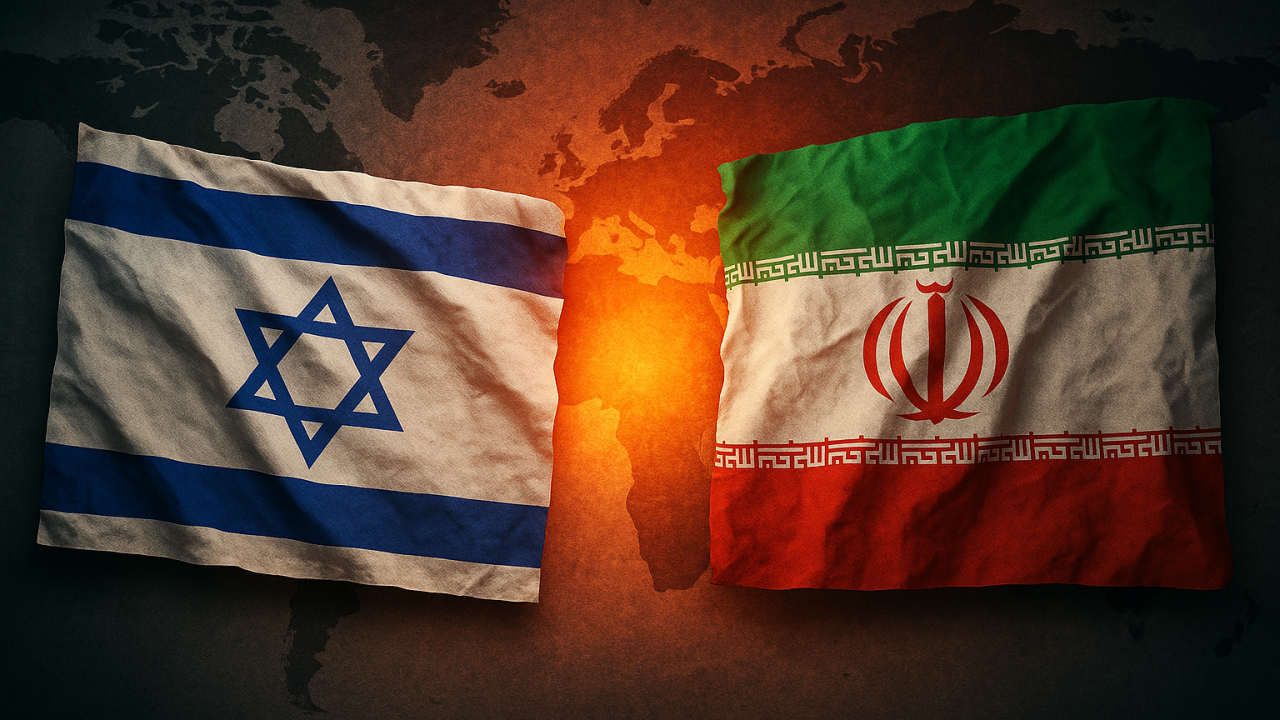
The Middle East is once again at the center of global political focus as tensions rise and alliances shift across the region. Diplomatic maneuvering, strategic recalibrations, and historic rivalries are creating a complex landscape that is drawing the attention of world powers and regional actors alike.
Recent developments have highlighted the growing fluidity in regional alliances. Long-standing partnerships are being tested as countries such as Saudi Arabia, the United Arab Emirates, and Iran reassess their positions in response to evolving political, economic, and security concerns. Analysts note that these shifts reflect a broader trend in the Middle East, where nations are increasingly prioritizing national interests over traditional alliances.
The dispute between Saudi Arabia and the United Arab Emirates has attracted particular attention, with sources indicating that disagreements over economic projects, regional influence, and foreign policy strategies have created tensions within what was previously considered a unified front in the Gulf. These internal disagreements are now influencing diplomatic initiatives across the wider region, affecting cooperation on trade, security, and political coordination.
Iran’s role continues to be a focal point for regional and global powers. Its involvement in neighboring conflicts and efforts to expand its influence through diplomatic and economic channels are contributing to a complex web of interactions. Regional powers are responding with a combination of engagement and caution, seeking to balance security concerns with economic and political interests.
International actors are closely monitoring the situation, as shifting alliances have implications far beyond the region. The United States, European nations, and Asian powers have all expressed interest in ensuring stability, given the Middle East’s critical role in global energy markets and international security. Analysts warn that unresolved tensions could lead to further instability, making diplomatic engagement and negotiation essential for maintaining regional and global equilibrium.
The current political climate in the Middle East underscores the importance of careful diplomacy and strategic foresight. With alliances evolving and power dynamics continually changing, regional leaders face the challenge of safeguarding national interests while navigating a complex international environment. Observers agree that the next few months will be critical in determining whether the region moves toward cooperation and stability or deeper divisions and uncertainty.
As the world watches, the Middle East remains a pivotal arena where local disputes and global interests intersect, shaping the political, economic, and security contours of the 21st century.