







Pakistan seeks urgent clarification from India over Chenab River water flow dispute
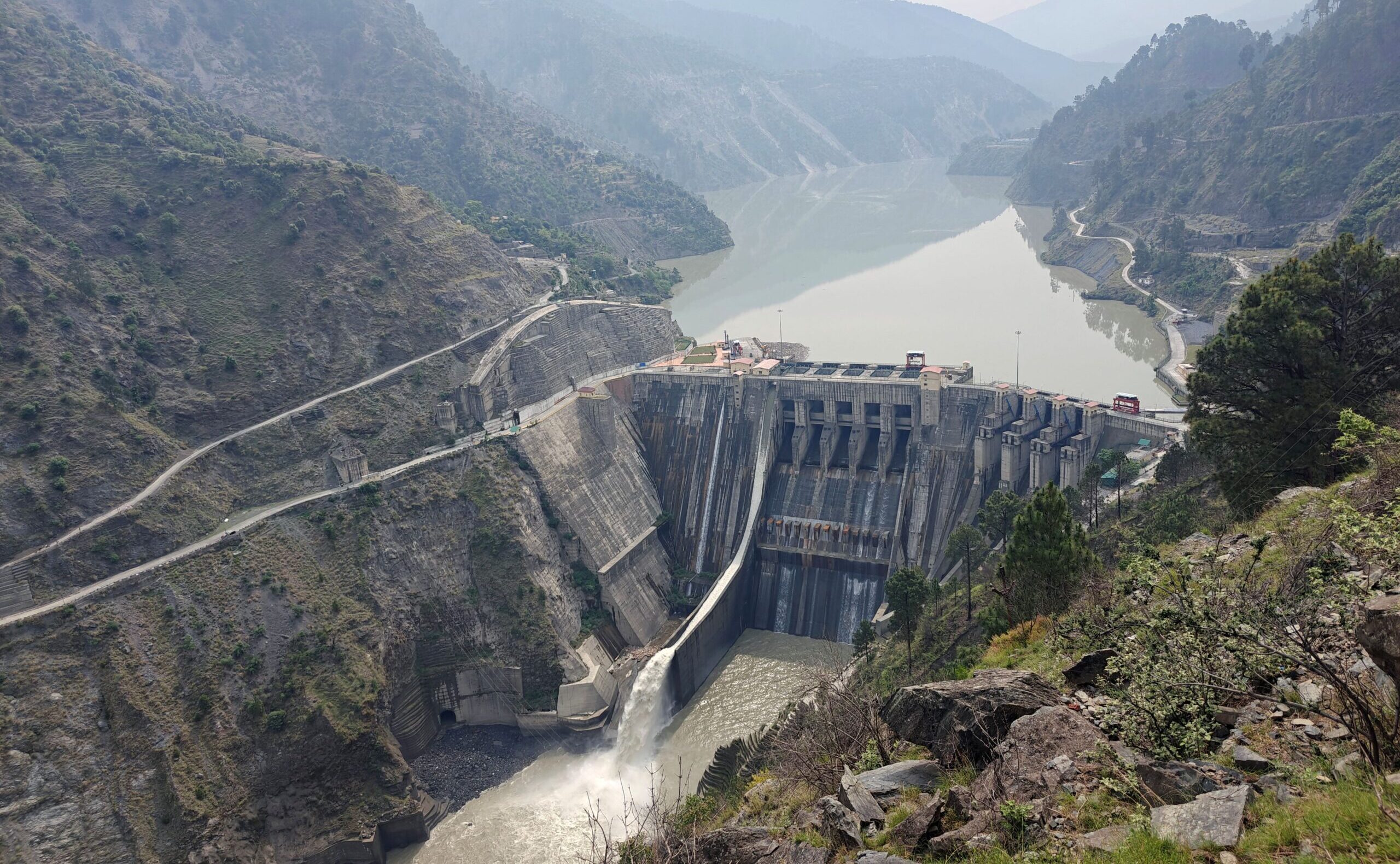
In a growing diplomatic row, Pakistan has formally sought clarification from India over what it describes as abrupt and unexplained changes in the flow of water from the Chenab River, a major waterway in the contested Indus River Basin. The dispute, which has significant implications for agricultural and environmental stability in both countries, is once again straining relations between the two nuclear-armed neighbors.
The issue centers around allegations that India has altered the water flow in the river, a move Pakistan believes could violate the Indus Water Treaty, which has been governing the sharing of water between India and Pakistan since 1960. The treaty allows Pakistan the right to use the waters of the Chenab, Jhelum, and Ravi rivers, while India controls the waters of the Sutlej, Beas, and Ravi rivers.
According to Pakistani officials, the unilateral adjustments in the flow have already caused disruptions in agricultural irrigation, particularly in the Punjab region, which relies heavily on water from the Chenab for its crops. Pakistan’s Ministry of Foreign Affairs has called on India to provide clarifications on the altered flow and its reasons for the sudden changes, which they argue are inconsistent with the terms of the treaty.
This latest development is adding fuel to an already fragile diplomatic relationship between India and Pakistan, both of which have long-standing issues related to water sharing. Despite the treaty’s existence, disputes over water usage and control have frequently led to tensions, particularly during periods of drought or flood, when water levels in rivers fluctuate dramatically.
Pakistan’s concerns are not without merit, as water scarcity is a growing issue in South Asia. With a population of over 220 million people, Pakistan is already grappling with dwindling water supplies, and any disruption in river flows could have devastating consequences for its agriculture-dependent economy.
In response, Indian officials have denied any wrongdoing, asserting that all water-sharing practices are fully in compliance with the Indus Water Treaty. However, the political fallout from this dispute could escalate further, as both countries continue to navigate one of their most contentious issues: water.
The international community is closely watching the development, hoping for a peaceful resolution to this critical issue that impacts not only India and Pakistan but the larger region’s stability and prosperity.