





New U.S. Tariff Policy Raises Political and Economic Risks for Asia’s Export‑Driven Nations
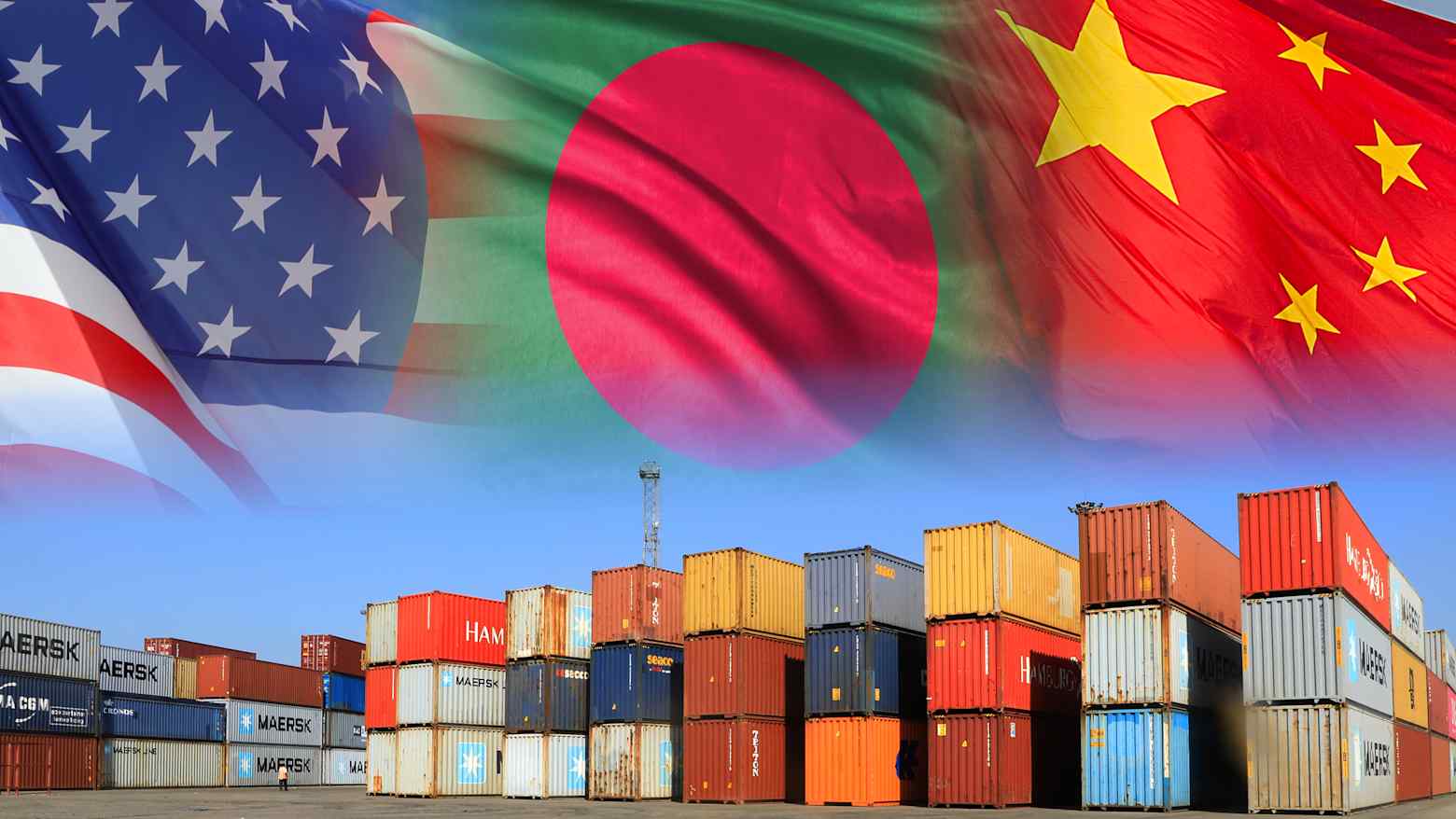
A newly announced U.S. tariff policy is creating uncertainty and potential economic disruption for Asia’s export‑oriented countries, prompting political concern and debate across the region. Analysts warn that the tariffs, aimed at certain imported goods, could affect supply chains, trade balances, and diplomatic relations, particularly for nations heavily reliant on exports to the United States.
The policy, unveiled by the White House this week, imposes a 15 percent tariff on select imports, targeting sectors ranging from electronics to consumer goods. Asian governments, including those of China, Japan, and South Korea, have voiced concern over the potential ripple effects on their domestic economies. Export-dependent industries fear increased costs, lower competitiveness, and the possibility of reduced demand from U.S. markets.
Economists note that while the tariffs are officially framed as a measure to protect domestic industries, they carry broader geopolitical implications. The policy could influence trade negotiations, prompt retaliatory measures, and heighten tensions between Washington and key Asian trading partners. Analysts suggest that countries may be forced to adjust fiscal policies, stimulate domestic consumption, or diversify export destinations to mitigate the impact.
In response, several Asian governments are convening emergency economic councils to assess the potential fallout. Officials are also exploring diplomatic channels to engage the U.S. administration, emphasizing dialogue and cooperation to prevent escalation. Trade associations warn that the tariffs could disrupt manufacturing hubs, affect employment, and strain regional supply chains, especially for industries integrated into global production networks.
Financial markets have reacted cautiously, with stock indices in Asia showing increased volatility amid concerns over the policy’s effect on corporate profits and investor confidence. Currency fluctuations have also been noted, reflecting anticipated shifts in trade flows and capital movement.
Political analysts argue that the tariffs highlight the intersection of economic policy and diplomacy, where trade decisions carry far-reaching consequences for regional stability. They emphasize the need for coordinated strategies among affected nations, balancing domestic economic priorities with international relations and long-term growth objectives.
As the situation develops, both governments and private sectors are closely monitoring the evolving policy landscape, preparing contingency measures to navigate the economic and political risks posed by the U.S. tariffs. The outcome will likely influence Asia’s trade dynamics and its engagement with global markets in the months ahead.