





Fiji and Tuvalu to Lead Preparations Ahead of COP31 Climate Summit
Fiji and Tuvalu have been selected to host key pre-COP31 climate meetings, placing Pacific Island nations at the forefront of global climate discussions. The meetings, scheduled ahead of the United Nations COP31 summit later this year, aim to shape the international climate agenda and ensure that vulnerable nations have a strong voice in negotiations. Leaders from the region hope the gatherings will drive meaningful commitments on emissions reductions, climate financing, and adaptation strategies for countries facing rising sea levels and extreme weather events.
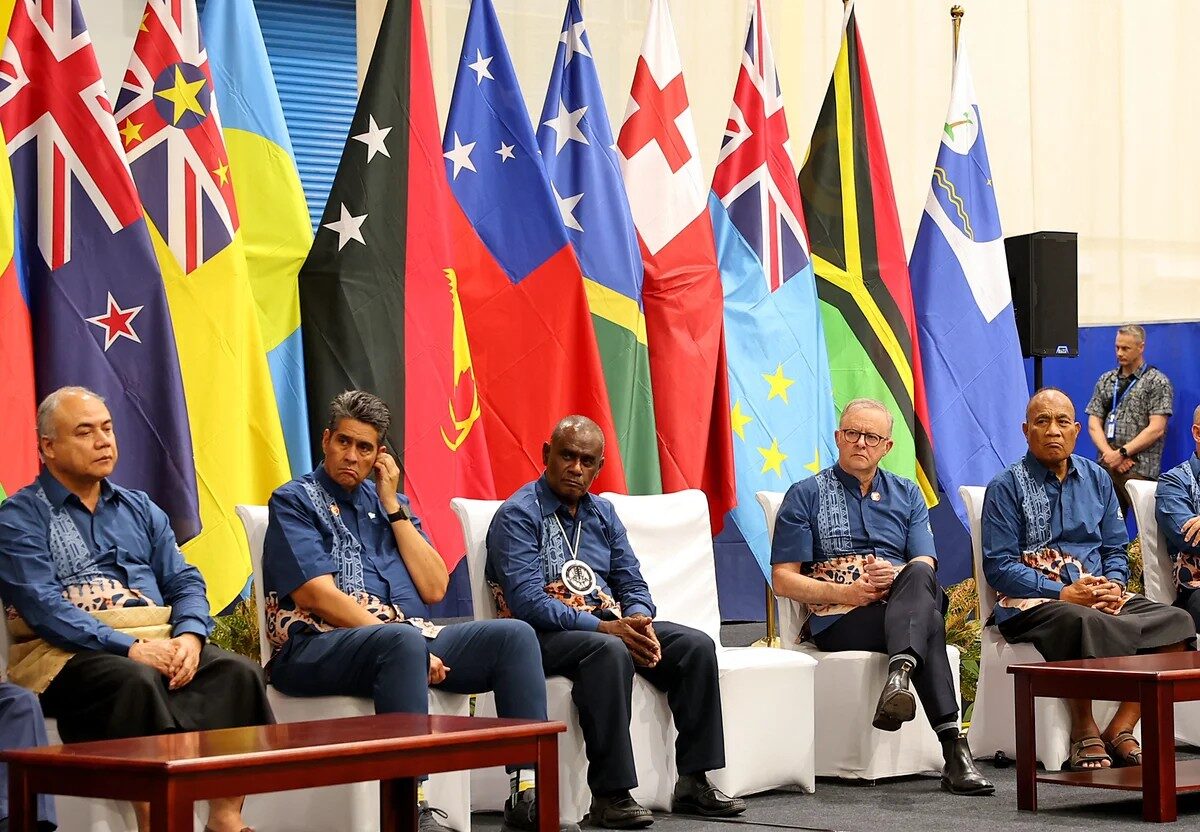
The Pacific Islands Forum highlighted the critical role that Fiji and Tuvalu will play in bringing together policymakers, scientists, and civil society representatives from across the globe. The pre-COP meetings will provide a platform for smaller island nations, which are among the most affected by climate change, to share insights and push for actionable solutions. Delegates will discuss strategies for reducing greenhouse gas emissions, funding climate resilience projects, and supporting sustainable development initiatives that protect local communities and ecosystems.
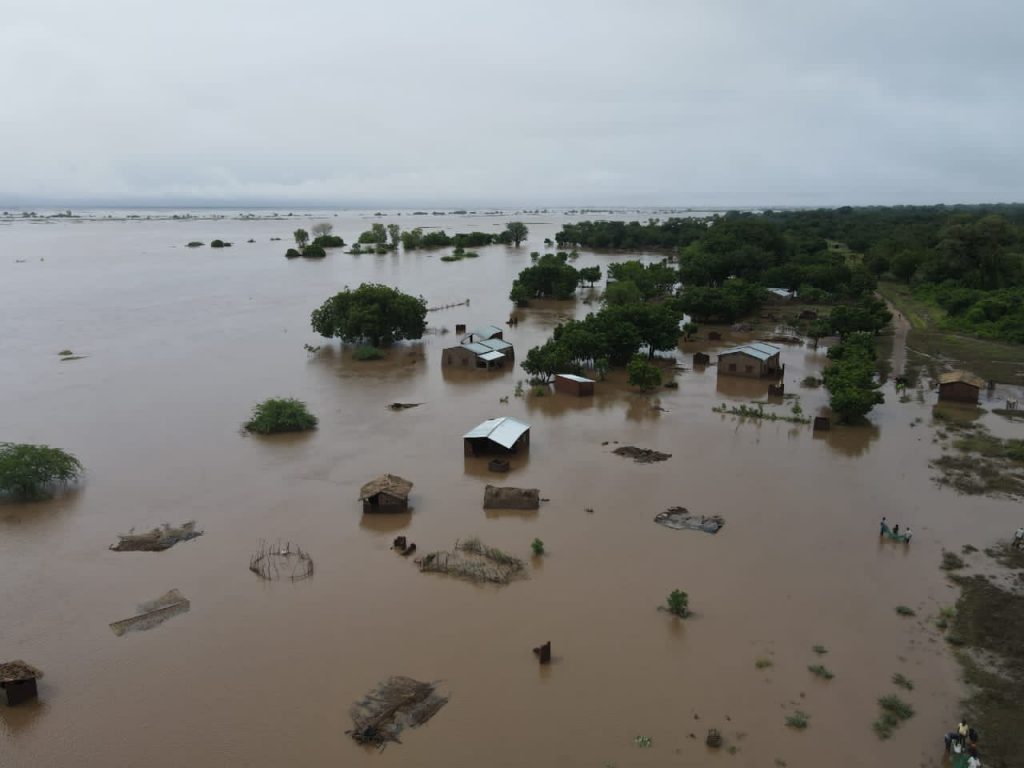
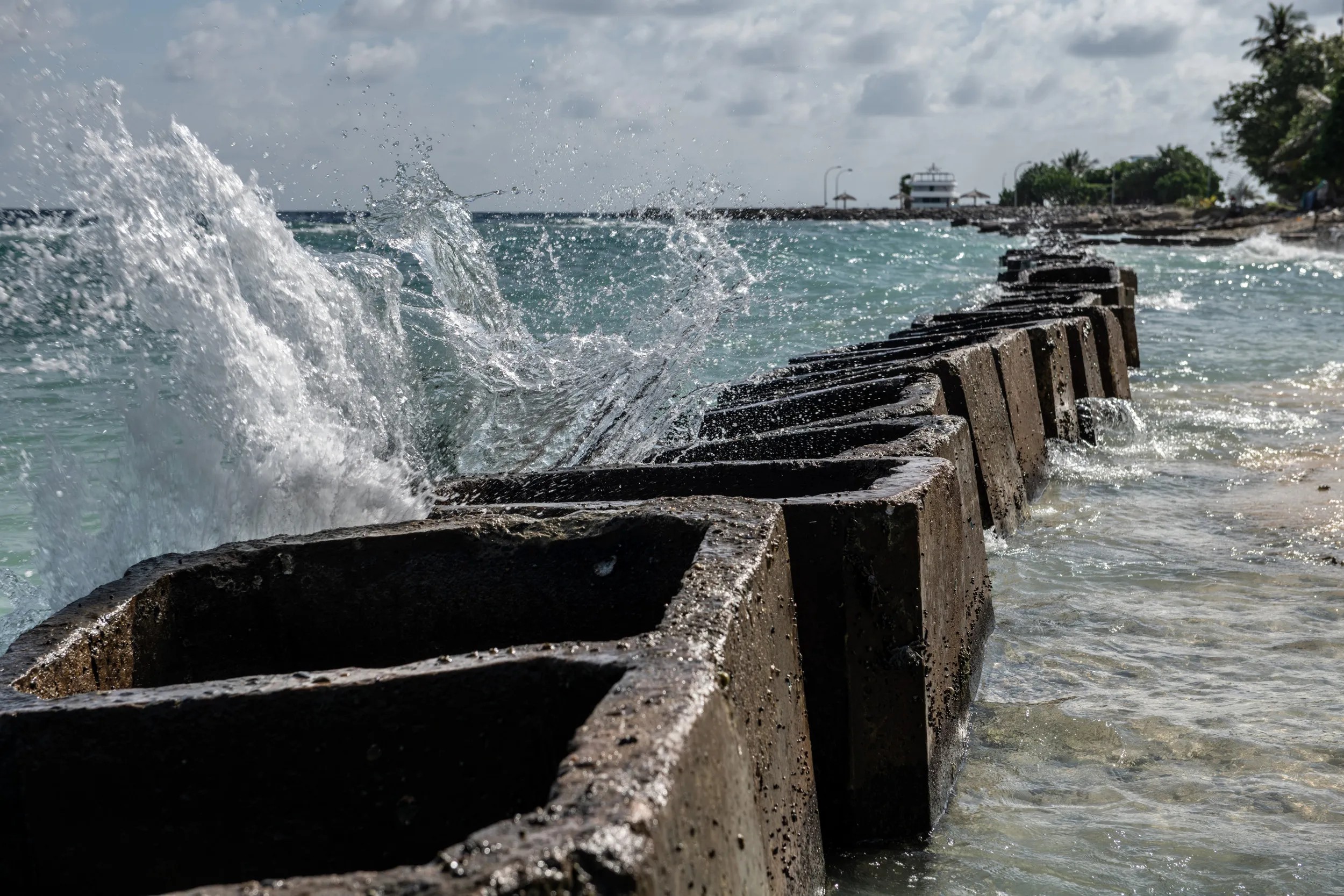
Officials emphasize that the meetings will also serve as an opportunity to strengthen regional cooperation. Pacific nations have long faced challenges related to climate vulnerability, including coastal erosion, freshwater shortages, and the impacts of cyclones. By hosting these preparatory sessions, Fiji and Tuvalu aim to highlight these issues on the global stage, ensuring that the voices of nations most at risk are heard by larger emitters and international policymakers.
Australia and other international partners have welcomed the announcement, noting that supporting Pacific leadership in climate talks is critical for fostering inclusive and effective negotiations. Observers suggest that these meetings could set the tone for COP31, influencing decisions on climate finance, emissions targets, and adaptation commitments that will affect millions of people worldwide.
In addition to government representatives, the meetings are expected to include input from non-governmental organizations, environmental experts, and community leaders. The discussions are anticipated to focus on practical solutions that can be implemented at both regional and global levels, balancing ambitious climate goals with local realities.
As the world prepares for COP31, Fiji and Tuvalu’s leadership in hosting these pre-summit meetings underscores the growing influence of Pacific Island nations in global climate policy. By placing the concerns of vulnerable communities at the center of international negotiations, these nations hope to advance a more equitable and effective approach to tackling the climate crisis.