



Iran‑US Nuclear Talks Resume in Geneva Amid Tense Diplomatic Standoff
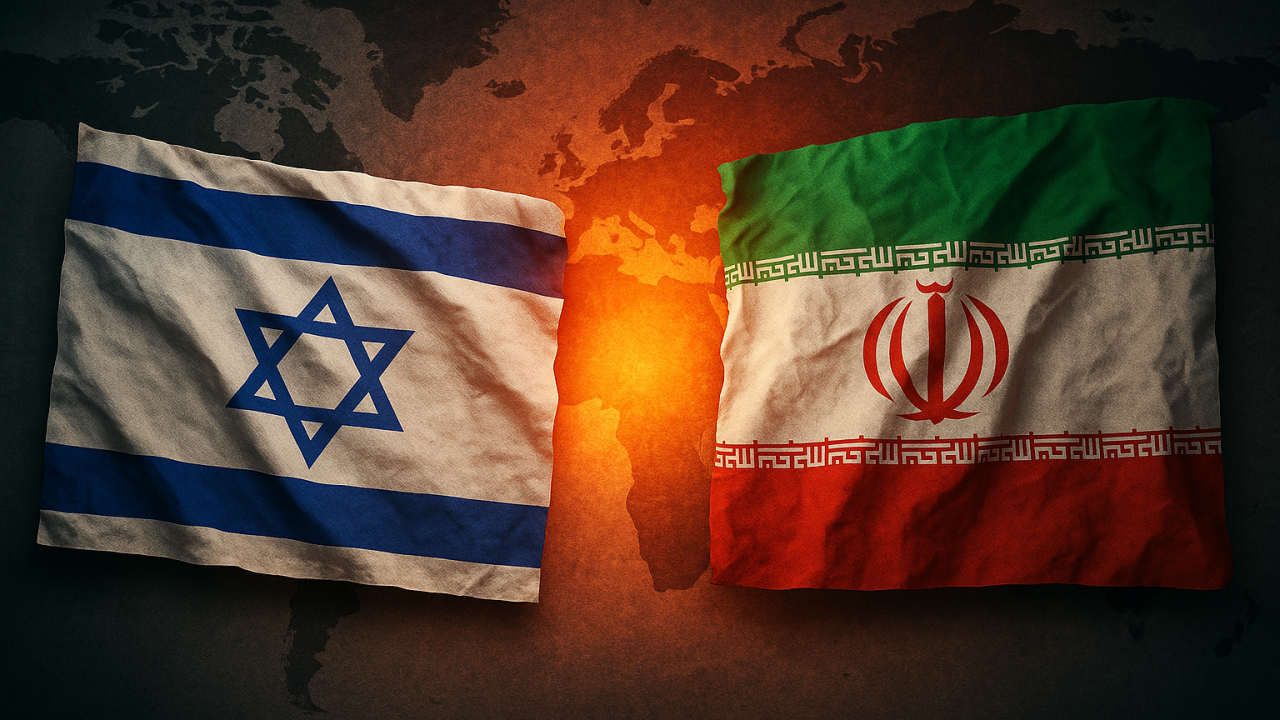
Iran and the United States have resumed indirect nuclear negotiations in Geneva, Switzerland, in a bid to resolve long-standing disputes over Tehran’s nuclear program. This third round of talks comes amid rising regional tension, with both sides emphasizing diplomacy while remaining firm on their core demands.
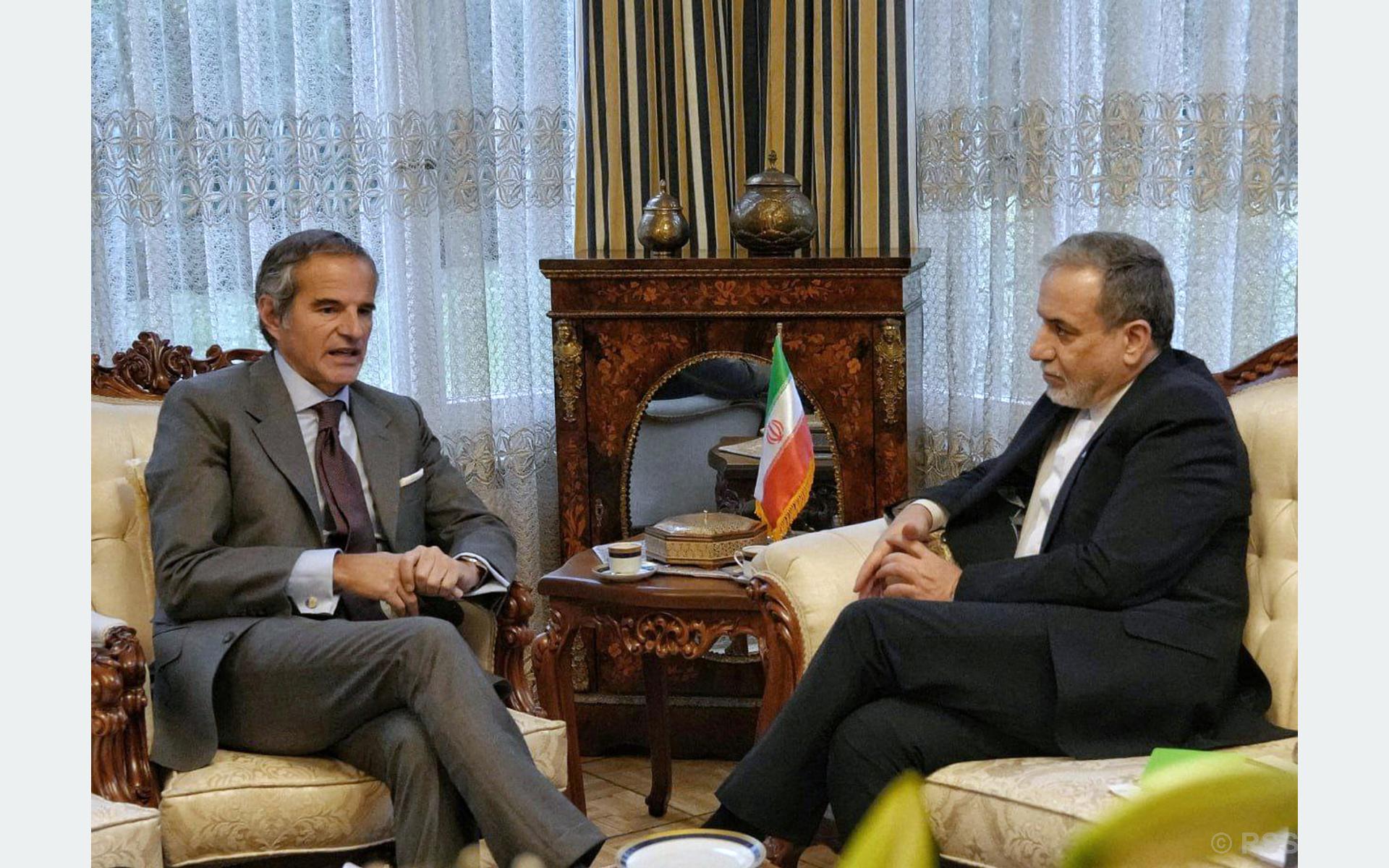
Iranian Foreign Minister Abbas Araghchi leads the Iranian delegation, joined by senior negotiators and technical experts, while the U.S. team is headed by Special Envoy Steve Witkoff. The indirect format allows both parties to communicate through intermediaries, aiming to bridge gaps without direct government-to-government meetings.
Tehran has expressed cautious optimism about the talks, describing them as a historic opportunity to reach an agreement that balances international concerns with Iran’s right to a peaceful nuclear program. Iranian officials have stressed the importance of sanctions relief in any potential deal, while reaffirming that the program is for civilian purposes only.
The U.S. delegation maintains a firm stance against Iran developing nuclear weapons. Officials emphasize that preventing nuclear proliferation is the priority, even as President Donald Trump signals a preference for diplomatic solutions. However, the presence of U.S. military forces in the Middle East underscores the seriousness of potential consequences if negotiations fail.
Key issues under discussion include uranium enrichment limits, verification mechanisms, and the scope of sanctions relief. While the negotiations are complex, diplomats suggest that progress in Geneva could help reduce the risk of escalation and set the stage for a more lasting solution.
International observers are watching closely, noting that the outcome could have wide-reaching implications for regional security, global energy markets, and diplomatic relations between Iran and the West. The Geneva talks reflect the high stakes of one of the world’s most sensitive geopolitical disputes, where dialogue remains the most viable path toward stability and conflict prevention.