




Border Inferno: Pakistan Declares ‘Open War’ on Taliban‑Led Afghanistan
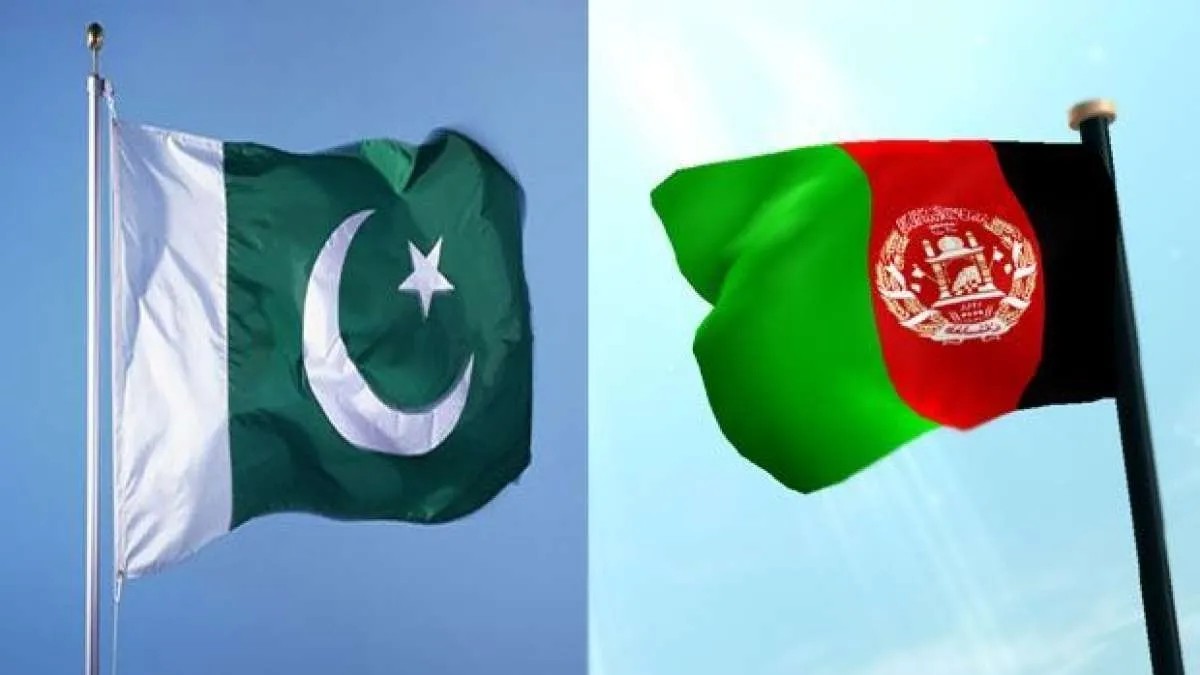
Tensions between Pakistan and Afghanistan have escalated dramatically, with Islamabad officially declaring what it terms an “open war” following a series of cross-border clashes and retaliatory strikes. The announcement comes after repeated attacks by Taliban-linked militants on Pakistani border towns, which authorities say have caused civilian casualties and threatened national security.
Pakistani military officials reported that air and ground operations targeted multiple Taliban positions across eastern Afghanistan, aiming to neutralize militant groups responsible for recent assaults. “We have exhausted diplomatic options,” said a senior Pakistani defense official. “Our forces are acting decisively to protect Pakistan’s sovereignty and our citizens’ safety.”
The United States has publicly backed Pakistan’s right to defend itself, emphasizing that Islamabad’s actions are in response to sustained security threats from Afghan territory. Washington called for restraint on both sides while expressing concern for civilian lives affected by the conflict. Analysts note that U.S. support adds a new dimension to the crisis, signaling broader international attention on the escalating hostilities.
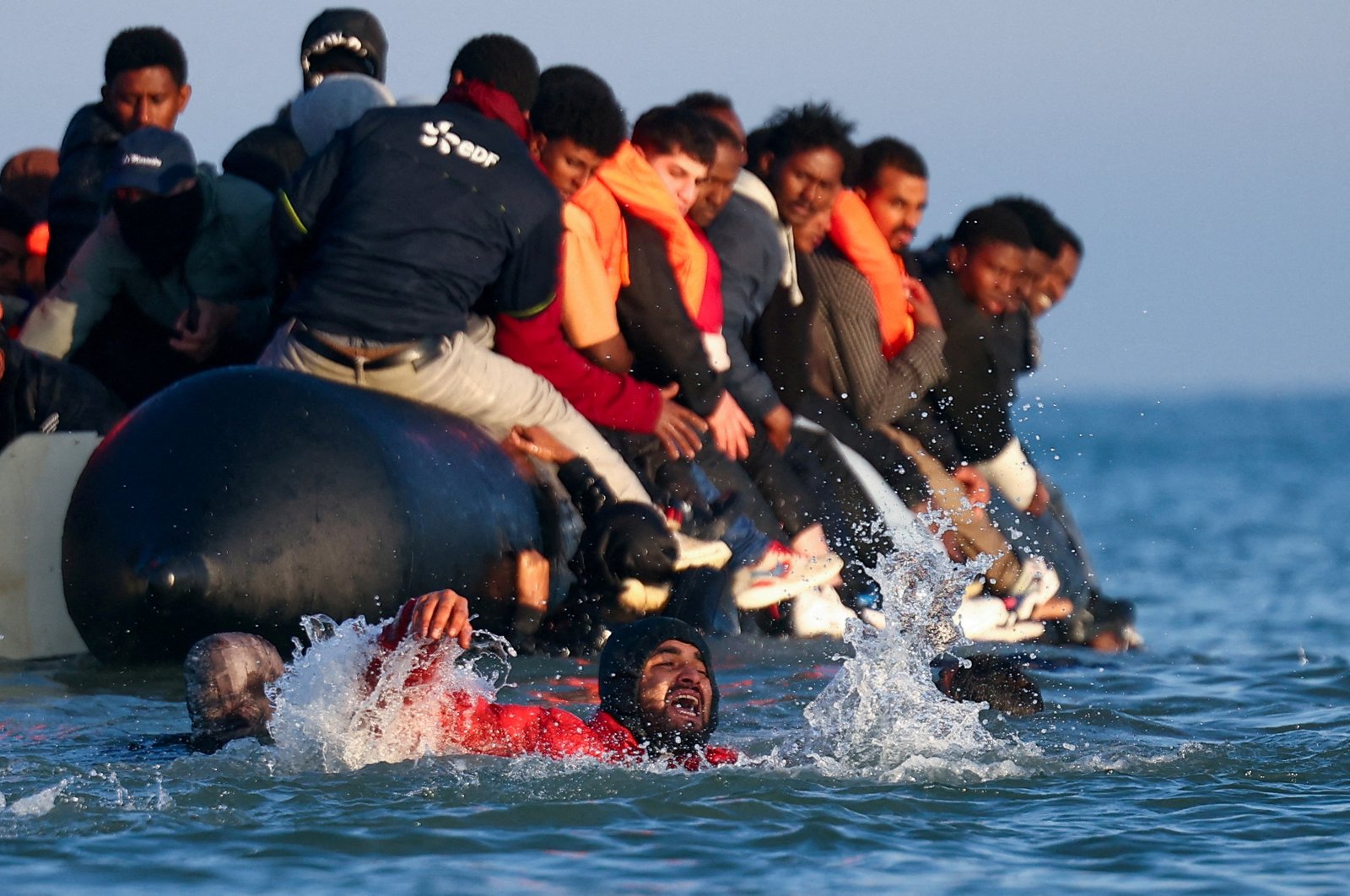
Taliban authorities condemned the strikes as violations of Afghanistan’s sovereignty and vowed to retaliate if Pakistani attacks continue. The Afghan government claimed that the cross-border assaults have destabilized communities and forced thousands to flee their homes. Humanitarian organizations have warned of an increasing crisis in the region, with displacement, casualties, and the risk of wider conflict looming large.
Experts say that the situation could have far-reaching consequences for South Asia, threatening trade, security, and regional stability. Pakistan’s declaration of “open war” is unprecedented in recent decades, reflecting the intensity of frustration and the severity of perceived threats from Taliban-aligned groups. Regional powers are closely monitoring the conflict, concerned that any escalation could draw in neighboring countries or destabilize ongoing peace negotiations.
For civilians living along the border, daily life has become increasingly precarious. Schools and markets have closed in affected areas, and residents are preparing for the possibility of prolonged clashes. Both sides have called for vigilance, yet uncertainty persists as the situation evolves rapidly.
As Pakistan intensifies its military campaign, the international community is urging urgent diplomacy and humanitarian support to prevent a broader humanitarian catastrophe. While Islamabad frames its actions as a defensive necessity, the human cost of the conflict continues to grow, leaving millions in the region caught in the crossfire.
The South Asia region now faces one of its most serious crises in years, with the prospect of escalation threatening to reshape the political and security landscape of Afghanistan and Pakistan alike.