





Arctic Storm Ignites Political Earthquake: Denmark Calls Snap Election Amid Greenland Tensions
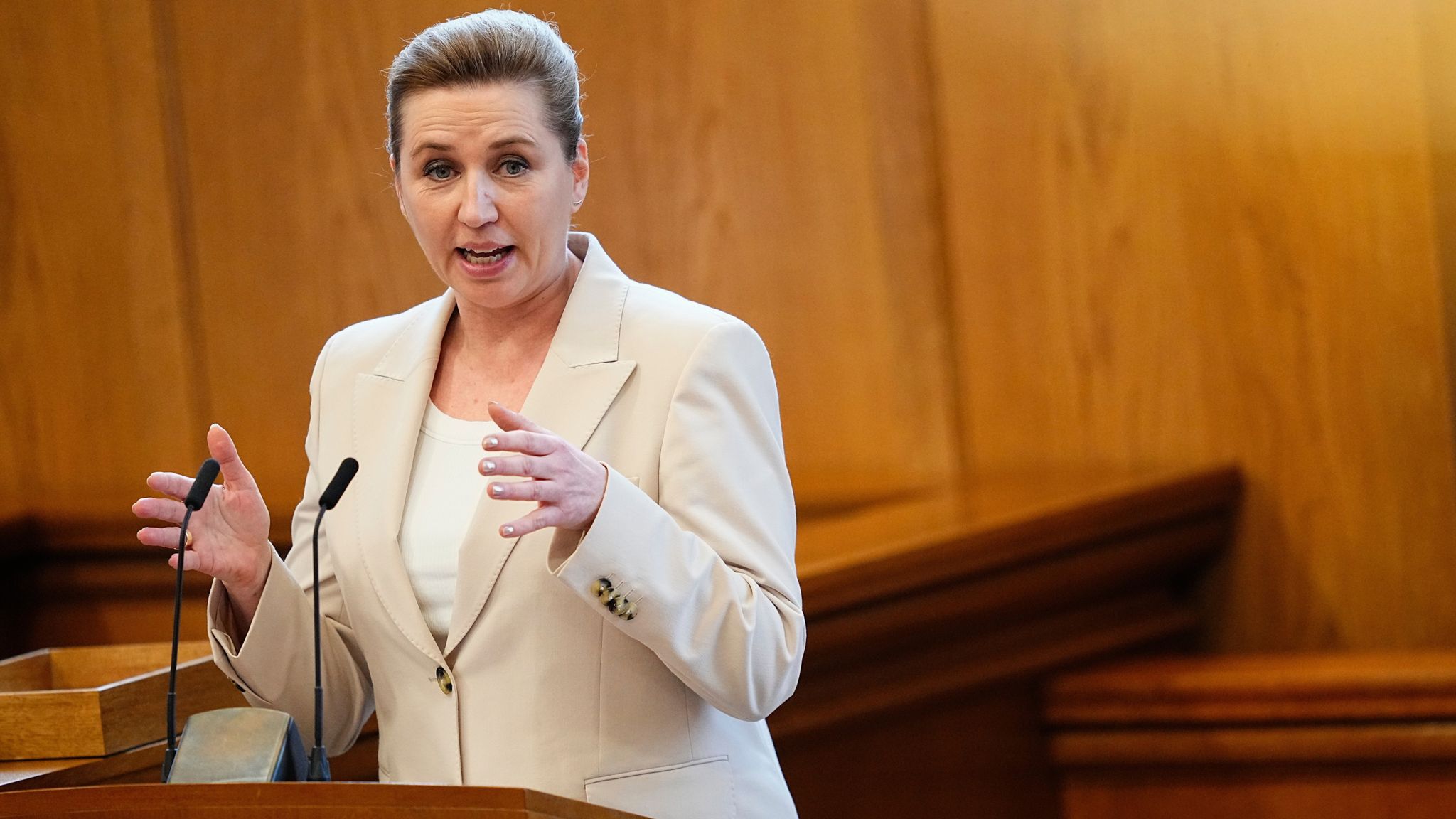
Copenhagen, March 1, 2026 — Denmark is entering a high-stakes political period after Prime Minister Mette Frederiksen announced a snap parliamentary election set for March 24, 2026, moving the vote months ahead of schedule. The decision comes amid escalating international tensions over Greenland, the Arctic territory that has become a focal point of global interest for its strategic and natural resource potential.
Frederiksen told Parliament the early election provides voters with a chance to decide Denmark’s direction in a time of unprecedented geopolitical pressure. The announcement has shocked political observers, as domestic debates over welfare, the economy, and governance are now intertwined with complex international disputes.
Greenland, a semi-autonomous region of the Kingdom of Denmark, has recently drawn renewed attention from the United States and other global powers, who see the island as critical for military and Arctic resource interests. The heightened attention has fueled public debates in Denmark about sovereignty, security, and foreign influence. Analysts note that Frederiksen’s decision may be an effort to consolidate domestic support by demonstrating leadership on the Greenland issue.
In a rare move, Denmark’s intelligence services have also issued warnings about possible foreign interference in the election, citing potential disinformation and cyber campaigns by nations including Russia, and, unusually, the United States and China. Officials emphasized the importance of safeguarding democratic processes as international scrutiny intensifies.
The upcoming election will decide all 179 seats in the Folketing, including representation from Greenland and the Faroe Islands. Political parties are gearing up for a competitive campaign that will test Frederiksen’s Social Democratic Party, as well as opposition blocs, on issues ranging from climate policy to national security and economic stability.
Observers say the election outcome could have implications far beyond Denmark’s borders, influencing European Arctic policy, NATO dynamics, and transatlantic relations. With tensions in the Arctic and Greenland at the forefront of the campaign, this snap election is shaping up to be one of the most consequential in Denmark’s recent history.
As March 24 approaches, Denmark finds itself at the center of international attention, with domestic voters preparing to decide the nation’s path amid an increasingly turbulent geopolitical landscape.