
Global political shifts: Rising conflicts and changing alliances shape the world stage
In recent weeks, global political dynamics have shifted dramatically as key regions around the world experience new conflicts, shifting alliances, and evolving power structures. From the ongoing Ukraine crisis to rising tensions between the United States and China, the world is witnessing a major reshaping of geopolitical relations.
One of the most significant developments has been the ongoing Russia-Ukraine conflict, which continues to unfold with military operations and diplomatic negotiations. Despite multiple attempts at peace talks, the situation remains volatile, with both sides accusing each other of violating ceasefire agreements. NATO’s involvement has grown, with several member countries offering military and humanitarian assistance to Ukraine. The international community remains committed to seeking a peaceful resolution, though experts warn that the conflict is becoming increasingly entrenched, with long-lasting implications for Europe and beyond.
Simultaneously, relations between the United States and China have reached a critical point. Trade disputes, cybersecurity concerns, and military confrontations in the South China Sea have added fuel to an already tense relationship. The US government has made it clear that countering China’s growing influence, both in Asia and globally, is a top priority. Meanwhile, China remains firm in its territorial ambitions and push for a stronger international presence. These tensions are not only affecting bilateral relations but also impacting the global economy, as both countries play crucial roles in the world’s financial markets.
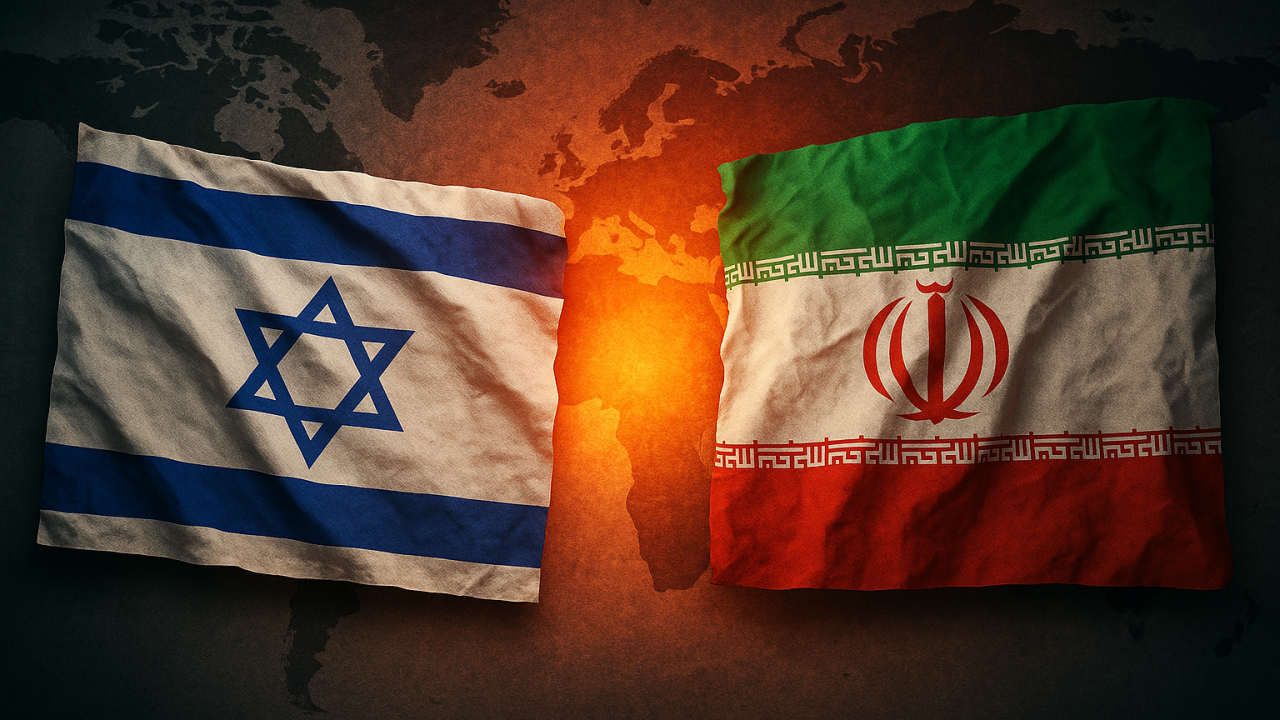
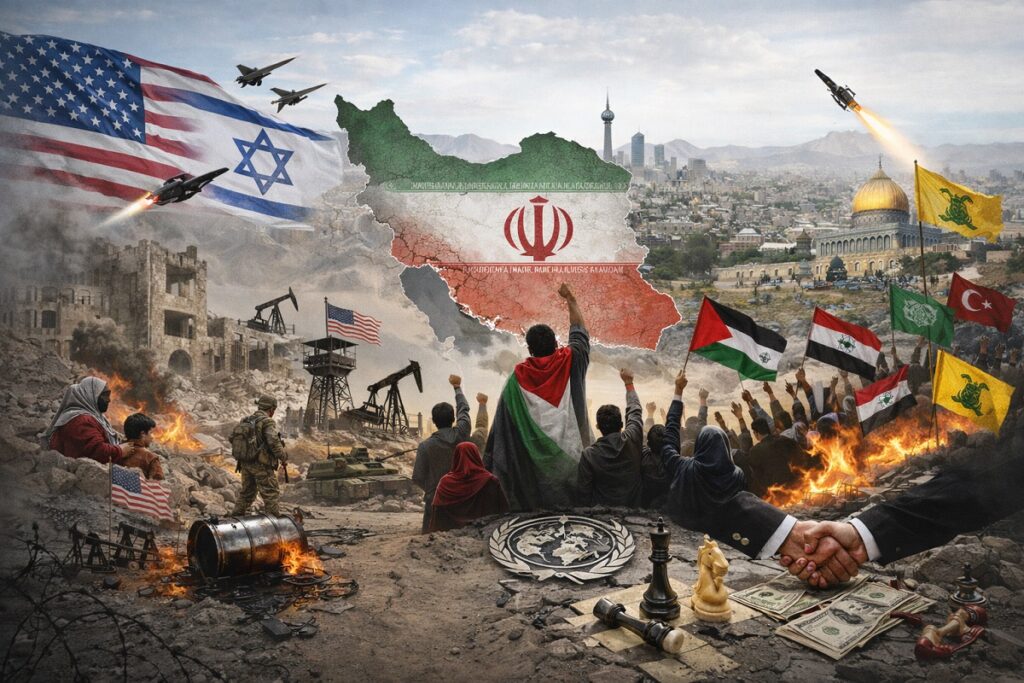
In the Middle East, political instability remains a constant. Iran’s nuclear ambitions are still a contentious issue, with international divisions over how to address Tehran’s plans. The Israeli-Palestinian conflict continues to see violent flare-ups, and efforts towards a lasting peace remain slow-moving. In Syria, the civil war persists, creating a deep humanitarian crisis as various factions, backed by foreign powers, vie for control.
In a shocking development, the leader of Iran, Ali Hosseini Khamenei, has passed away, further complicating the region’s already fragile political situation. Khamenei, who had been a central figure in Iran for over three decades, had immense influence over both domestic policies and international relations. His sudden death has raised concerns about the power vacuum and uncertainty in Iran’s political future. Rival factions within the country, as well as external powers, are closely monitoring the situation, as the leadership transition could have significant ramifications for Iran’s nuclear ambitions, its support for proxy groups, and its broader role in Middle Eastern politics.
On the African continent, a disturbing trend of military coups has emerged, particularly in countries such as Mali, Burkina Faso, and Guinea. These coups have raised serious concerns about the future of democracy in the region. The African Union has called for stronger efforts to restore democratic governments, though significant challenges remain.
Experts agree that the world is entering a new phase of global political instability, marked by increasing authoritarianism, fractured international cooperation, and growing distrust between major powers. As the world heads into the latter part of 2026, global leaders are under mounting pressure to navigate these turbulent times and seek solutions to maintain peace and stability.