





World on the Brink: How Ongoing Wars and Geopolitical Chaos Are Crippling Global Business
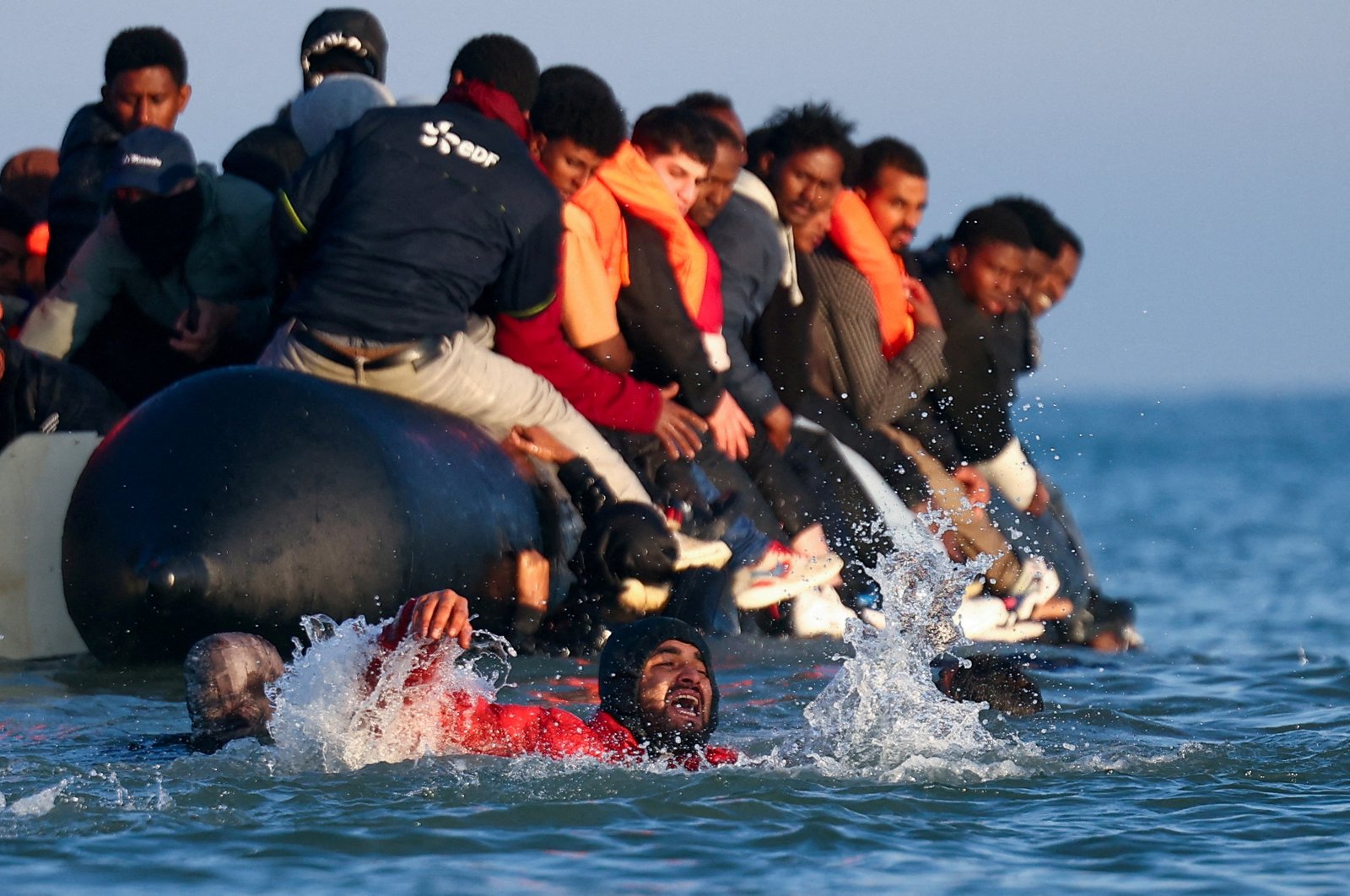
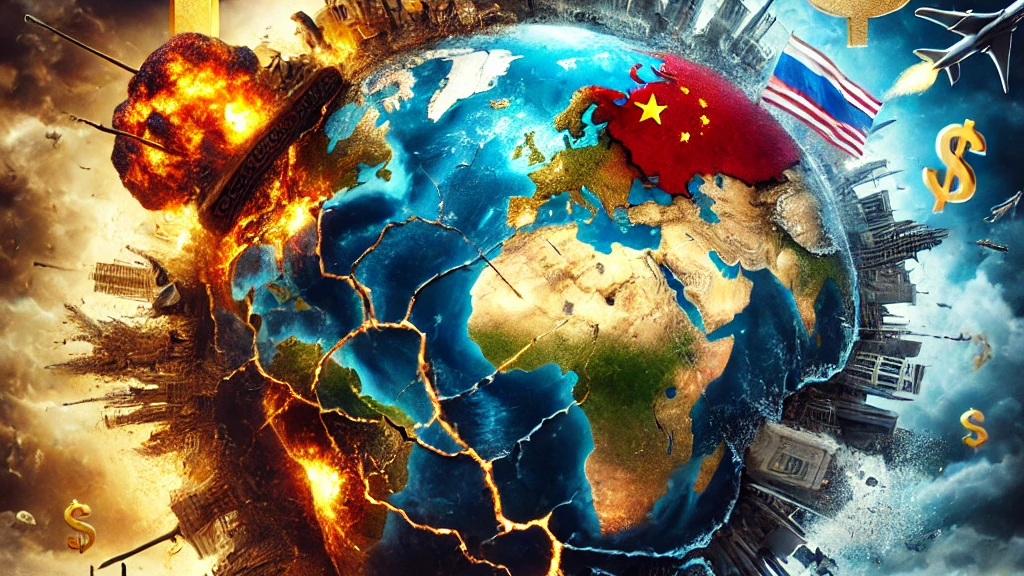
The world is witnessing a new era of geopolitical chaos, with ongoing wars and rising tensions shaking the very foundations of global business. From the catastrophic Russia-Ukraine conflict to the volatile standoff in the South China Sea, the world is grappling with uncertainty, and businesses are paying the price. The impact of these conflicts extends far beyond politics—disrupting trade, destabilizing supply chains, and sending shockwaves through financial markets. As nations fight for power and control, businesses are left scrambling to adapt, facing unprecedented challenges in a world that is rapidly slipping into turmoil.
The Russia-Ukraine war, a catastrophic event with far-reaching consequences, has plunged Europe into an energy crisis, sending fuel prices spiraling to new heights. What was once a stable supply of oil and gas from Russia is now a distant memory, forcing European nations to seek costly alternatives. Manufacturing plants across the continent are feeling the strain, and energy-intensive industries are suffering the most. The economic toll of this war has spread across borders, with many nations now dealing with skyrocketing costs that threaten to cripple entire industries.
At the same time, tensions in the South China Sea have ignited fears of military confrontation, further destabilizing the global trade network. The potential for conflict between China and Taiwan could bring trade routes to a grinding halt, jeopardizing critical shipments of goods. As the world’s most important shipping lanes become increasingly perilous, businesses are struggling to find ways to mitigate the risk of disruption. The consequences of such a conflict would be catastrophic for the global economy, potentially halting the flow of goods worth trillions of dollars and igniting a financial firestorm.
Investor confidence has plunged, as markets around the world spiral into volatility. Stock markets are seeing record-breaking fluctuations, and risk-averse investors are scrambling for safer assets. Gold and government bonds are the new refuges, while emerging market currencies are suffering massive devaluations. The unpredictability of global events has left businesses on edge, unsure of how to plan for the future. As currencies wobble and market volatility rises, the cost of doing business internationally has become a minefield of uncertainty.
In response, companies are forced to rethink their entire business strategies. Manufacturing hubs are being relocated from Asia to safer regions like Latin America and Africa in a desperate bid to reduce exposure to geopolitical risks. Digital transformation has become a lifeline for many businesses, with automation and e-commerce platforms offering a way to continue operations despite the growing instability. Remote work has moved from a temporary solution to a permanent fixture in many industries, as companies desperately try to adapt to a world in which the traditional business model is no longer sustainable.
The business world is facing an unprecedented crisis. Global wars and geopolitical upheaval have thrown the world into chaos, and companies are left scrambling to survive. With supply chains broken, markets in turmoil, and the future uncertain, the global economy teeters on the edge of a precipice. The question remains: how will businesses navigate this perilous landscape and emerge from the ashes of a world at war?