


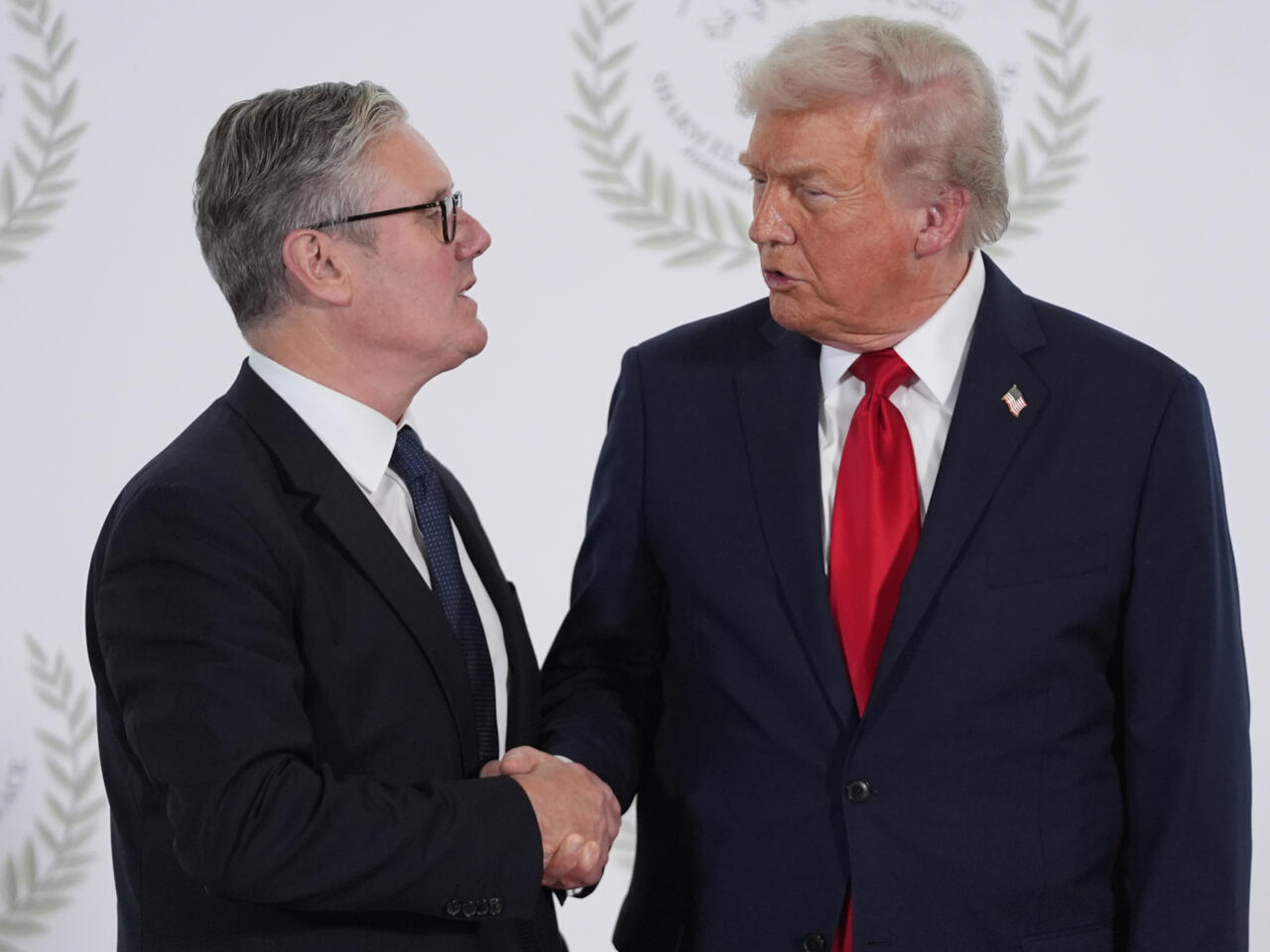



Trump Criticizes UK Prime Minister Starmer as ‘No Churchill’ Amid Strain on UK‑US Ties
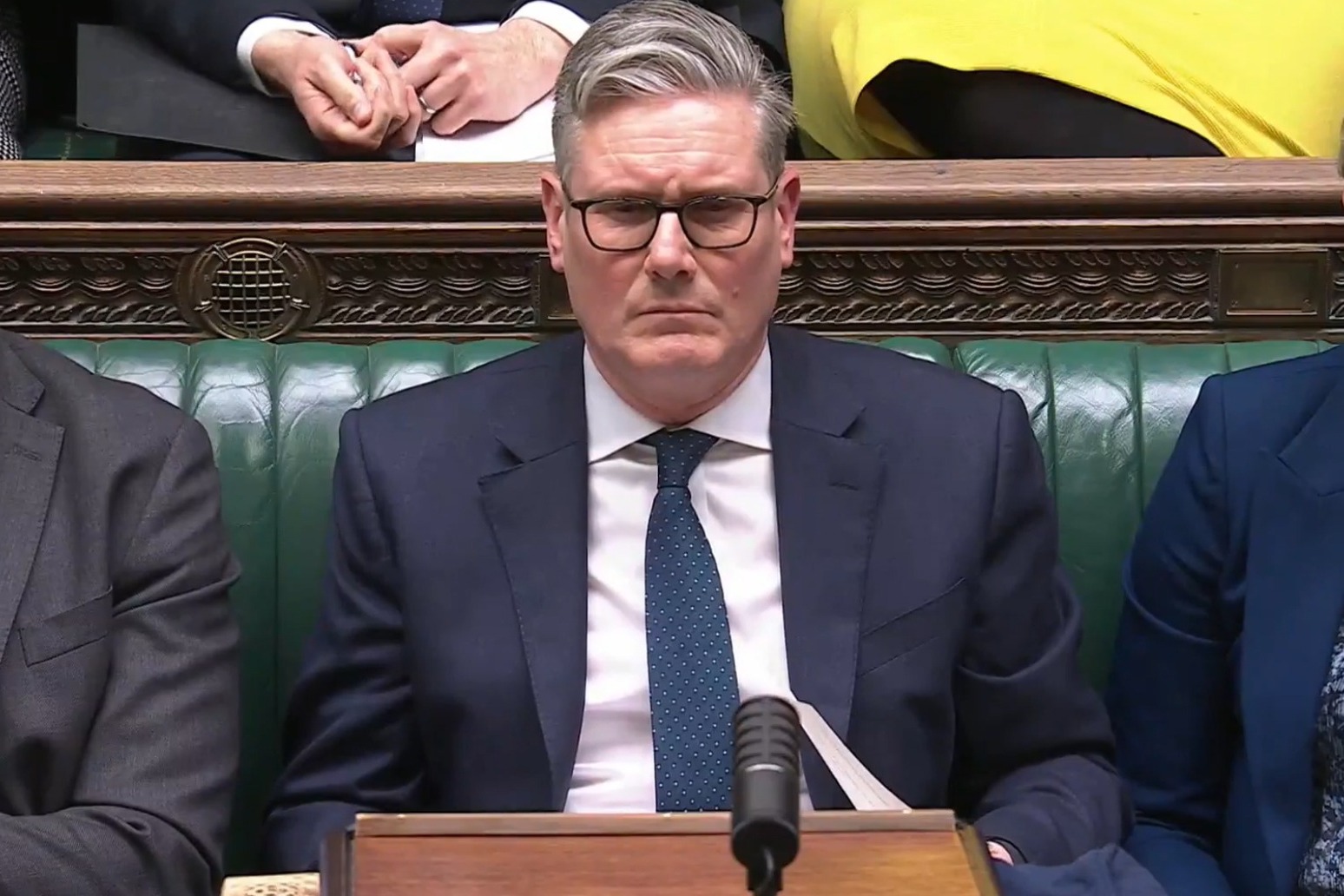
U.S. President Donald Trump has publicly criticized British Prime Minister Sir Keir Starmer, calling him “not Winston Churchill,” in comments that highlight growing tensions in the historic UK‑US “special relationship.” The remarks come after Starmer’s cautious stance on the recent U.S.-led strikes in the Middle East, which included using British bases in Oman for limited military operations, but stopped short of granting full support for offensive actions against Iran.
Trump’s comments, made during an interview with a British newspaper, underline his frustration with what he perceives as Britain’s lack of decisive backing. He lamented that the alliance between the two nations “is not like it used to be” and compared Starmer unfavorably to Churchill, a symbol of strong transatlantic leadership and wartime cooperation. Analysts say the remark is likely to fuel debate over the direction of UK‑US relations and the limits of political rhetoric in diplomacy.
Starmer’s government has defended its cautious approach, emphasizing the need for careful decision-making and adherence to international law. Downing Street confirmed that Britain allowed limited use of military bases for defensive purposes, including operations targeting missile sites, but refrained from broader offensive involvement. The Prime Minister’s office insisted that this measured response reflects both strategic prudence and public sentiment, as many citizens remain wary of escalating conflict abroad.
The political fallout has been immediate. Critics in the UK have questioned whether Starmer’s approach undermines the country’s traditional influence in global affairs, while supporters argue that maintaining independent judgment is essential for British sovereignty. Across the Atlantic, Trump’s remarks have reignited discussion about the durability of the special relationship, especially when American foreign policy priorities diverge from those of its allies.
Experts note that while rhetoric may be sharp, the alliance remains strong in many areas, including trade, intelligence-sharing, and joint military commitments through NATO. Diplomats in London and Washington continue behind-the-scenes discussions to ensure that operational cooperation is maintained and that disagreements do not escalate into broader conflicts.
The episode highlights the challenges of managing international relationships amid complex geopolitical crises. Analysts suggest that the future of UK‑US ties will depend on both leaders’ ability to balance domestic political pressures with the long-standing commitment to mutual cooperation. The coming months may prove pivotal in defining how the “special relationship” adapts to the changing dynamics of global diplomacy, particularly as military, economic, and political challenges continue to intersect.