








Climate Research Reveals Global Sea Levels Higher Than Previously Estimated
New research suggests that global sea levels have been significantly underestimated, highlighting a growing climate risk for coastal communities worldwide. The study, published in Nature, reveals that many existing models fail to incorporate real-world measurements, leading to a potential underestimation of sea-level rise by as much as 30 centimetres globally, and up to 1.5 metres in certain regions.
Researchers analysed hundreds of studies over the past two decades and found that more than 90 percent relied on simplified models rather than direct local data. These models often overlooked critical factors such as tides, ocean currents, wind patterns, and temperature-driven expansion of seawater. According to the study, this underestimation could expose tens of millions more people to flooding and land loss than previously predicted.
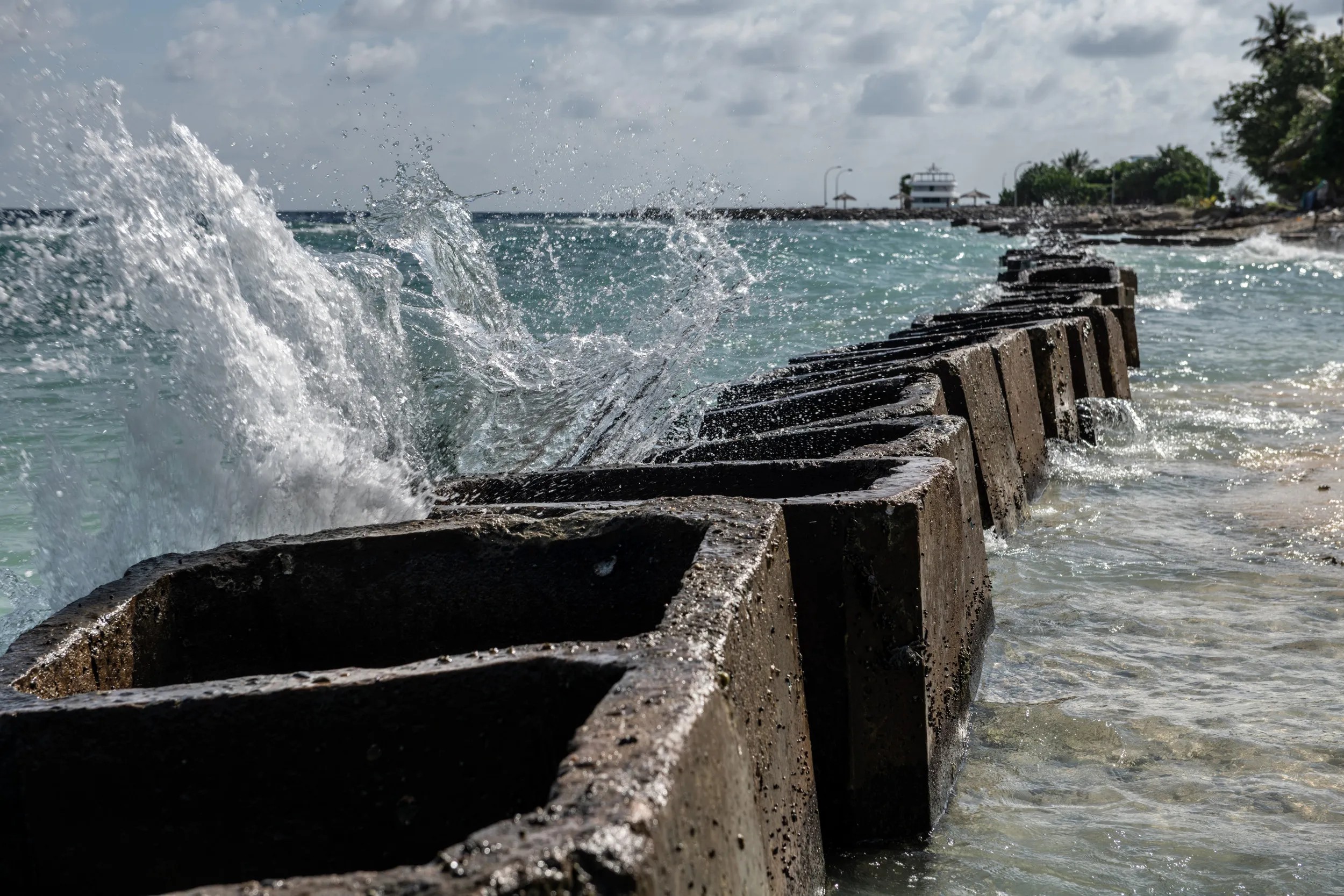
The implications for climate adaptation are profound. Coastal cities, island nations, and low-lying regions in Southeast Asia, the Indo-Pacific, and parts of Africa are at increased risk from storm surges, high tides, and long-term sea-level rise. Urban planners and policymakers may need to revise infrastructure and disaster-preparedness plans to account for the updated projections.
Lead author Dr Philip Minderhoud emphasized that these findings are a “wake-up call” for global climate policy. “Accurate measurements are essential,” he said. “If we rely on outdated or overly simplified models, millions of people could be left vulnerable to impacts that are already occurring today.”
The study also notes that climate projections widely used in government reports and international assessments may need urgent revision. Experts warn that without more precise modelling and integration of local data, adaptation strategies could fall short, leaving communities underprepared as global temperatures and sea levels continue to rise.
Scientists stress that this research underscores the urgent need for improved climate monitoring and planning. With sea-level rise accelerating alongside warming temperatures, proactive measures are crucial to protect populations and ecosystems from worsening flood hazards.
As nations work to meet climate targets, the findings serve as a stark reminder: the world’s oceans are already higher than previously thought, and rising waters could impact millions sooner than expected. Coastal resilience, informed by accurate data, is now more important than ever.