



Starmer Under Fire as Badenoch Demands Tougher Action on Iran Crisis
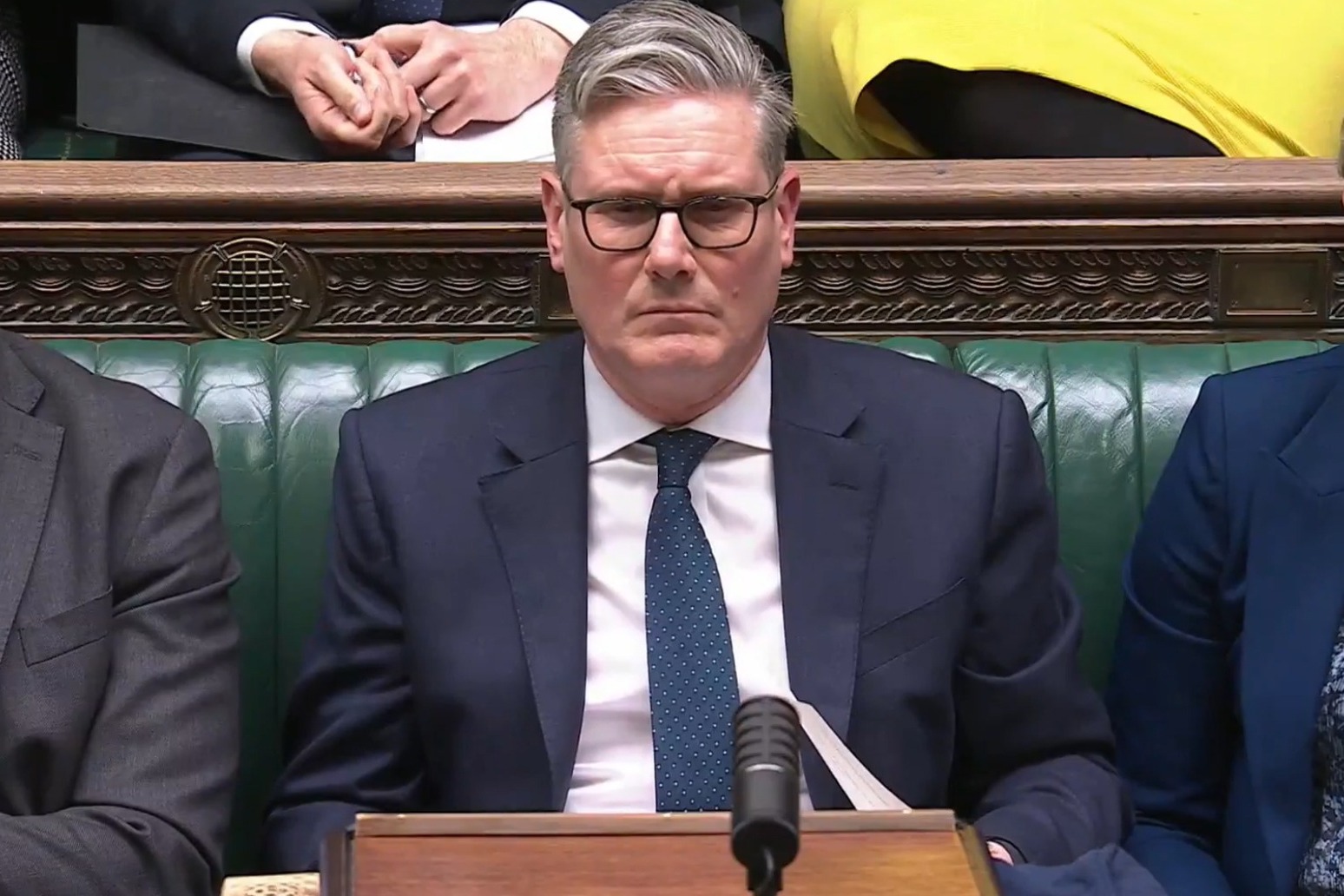
Prime Minister Sir Keir Starmer faced a wave of criticism in the House of Commons as he defended his government’s measured response to the escalating conflict involving Iran. Conservative leader Kemi Badenoch and other MPs called for a stronger, more decisive stance, accusing the government of acting too cautiously while British military bases in the region remain on alert.
During Prime Minister’s Questions, Starmer stressed that the UK must avoid unnecessary escalation and that all actions are guided by legality, strategic prudence, and the protection of British citizens. He highlighted that the UK has deployed military assets defensively, including fighter jets and monitoring systems, while maintaining close coordination with international allies. Starmer insisted that offensive operations without a clear legal framework and careful planning could worsen the crisis.
Badenoch rejected this approach, arguing that a more assertive posture is needed to deter further aggression and reassure allies. She called for expanded authorization for the Royal Air Force to conduct operations beyond defensive measures, warning that inaction could embolden hostile actors. Her criticism reflects broader concerns within the Conservative Party about the government’s handling of national security during volatile international conflicts.
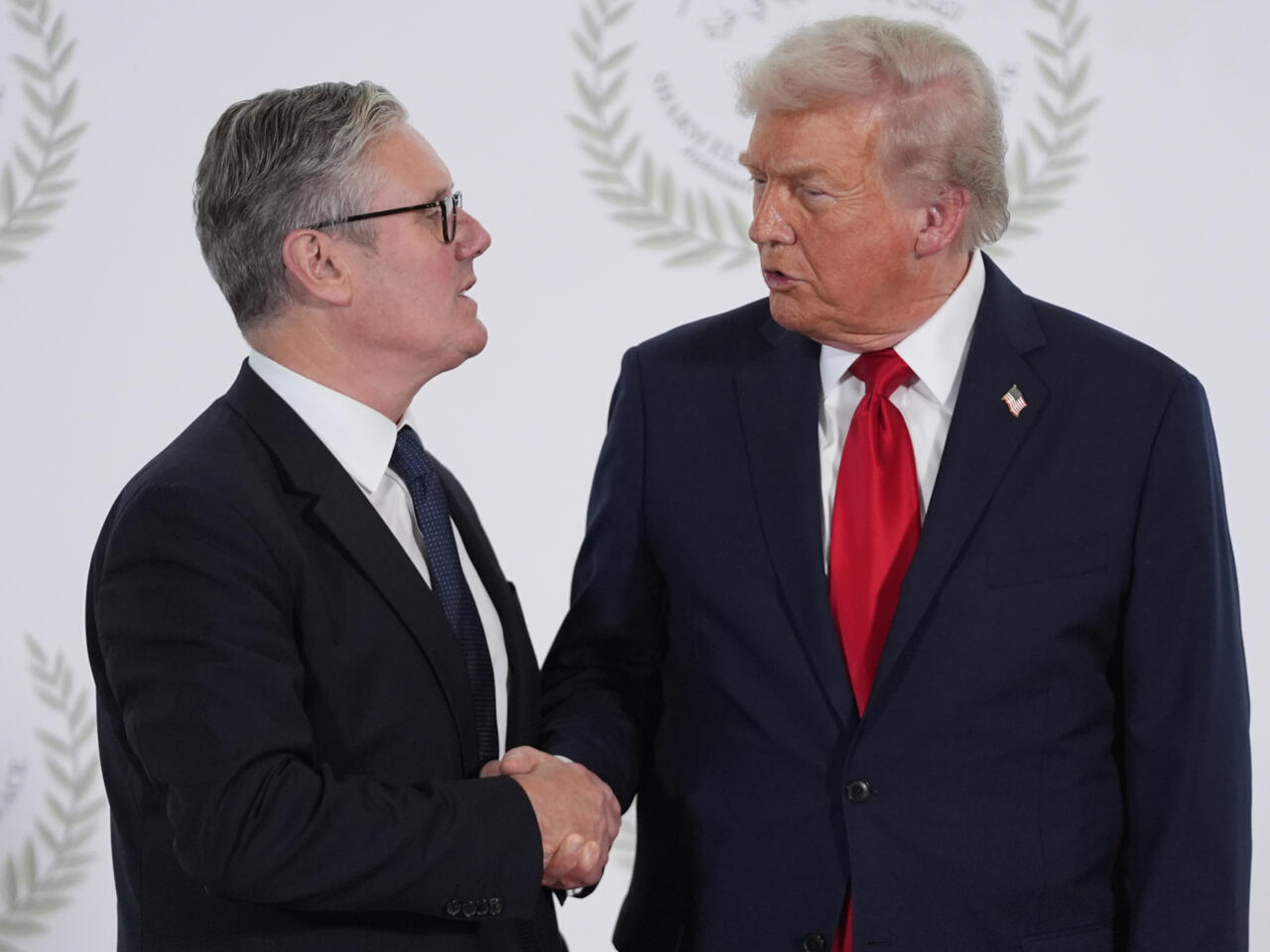
The debate was intensified by international commentary, including remarks from former U.S. President Donald Trump, who publicly questioned Britain’s role in managing the crisis and criticized the UK’s cautious approach. This external pressure has added urgency to the domestic political debate, raising questions about the UK’s readiness to respond to future threats.
Labour backbenchers largely supported Starmer, emphasizing the importance of measured, lawful responses in preventing the conflict from escalating into a wider war. Government officials argue that current deployments and diplomatic efforts provide a balanced strategy that safeguards British interests while keeping channels open to de-escalate tensions.
Analysts say the situation underscores the delicate challenge for the UK: balancing deterrence with restraint, protecting citizens abroad, and maintaining credibility with allies in a rapidly changing geopolitical environment. As the Middle East crisis continues to unfold, the government faces intense scrutiny over its choices, with opposition figures demanding clearer, stronger actions and the public watching closely for signs of escalation.