






UK to Slash Asylum Seeker Support in Major Policy Overhaul
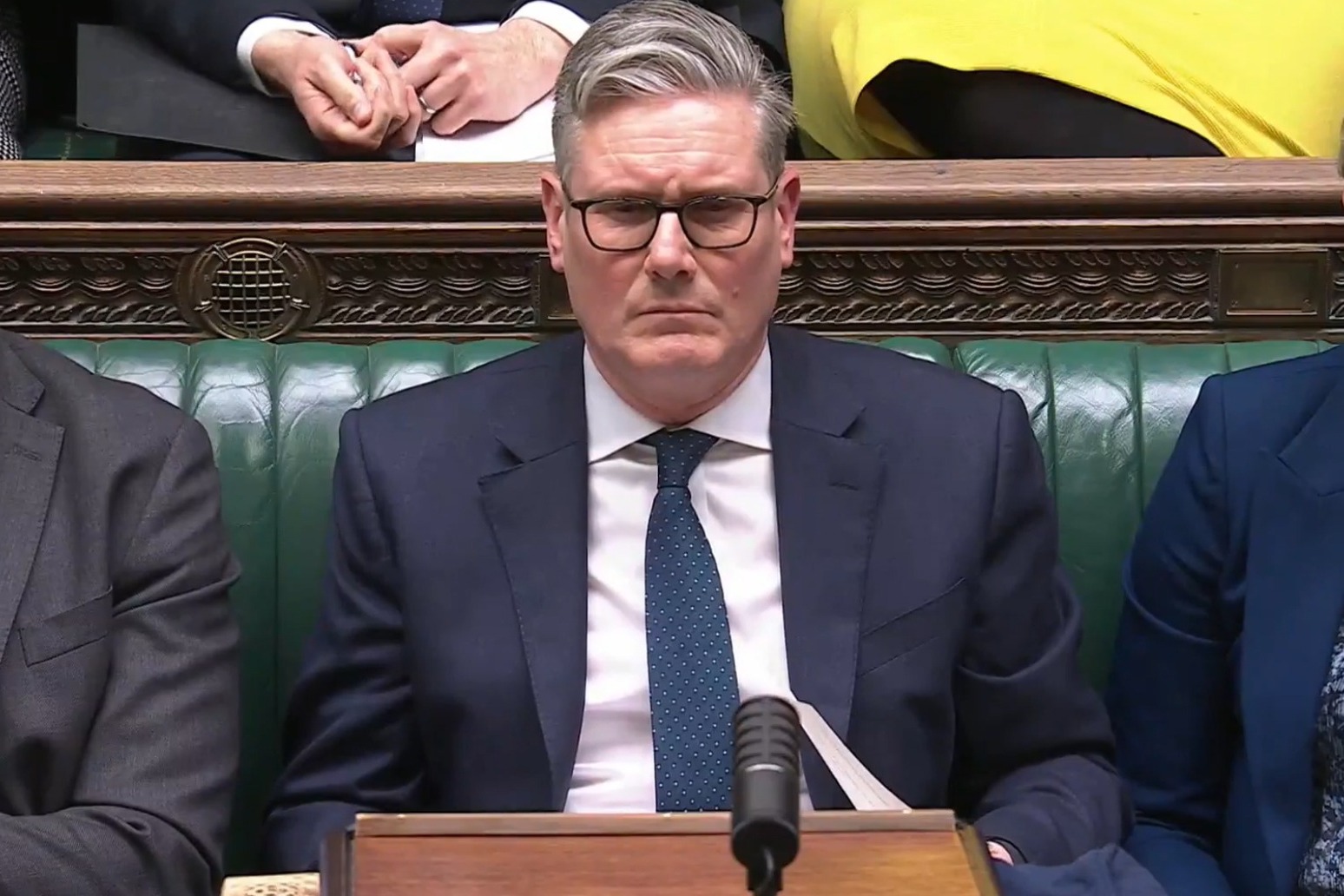
The United Kingdom is preparing to introduce sweeping reforms that will significantly curb support for asylum seekers, with Home Secretary Shabana Mahmood emphasizing that the changes are necessary to restore public confidence in the system and manage the country’s borders more effectively. The new measures, expected to take effect in June, will restrict accommodation and financial support to those deemed genuinely in need, while imposing stricter conditions on others.
Under the proposed changes, the 2005 legal duty guaranteeing support for asylum seekers who would otherwise have no means to live will be removed. Instead, assistance will become discretionary, meaning that individuals who can support themselves, work illegally, or violate UK laws could lose access to housing and weekly allowances. The Home Office argues that these reforms will reduce incentives for irregular migration and ensure that government resources are focused on the most vulnerable.
Mahmood also announced that refugee status for new applicants will become temporary, subject to review every 30 months, rather than providing long-term or permanent settlement. Officials explained that the policy aims to ensure that those no longer at risk in their home countries are expected to return, while still offering protection to those genuinely fleeing persecution or conflict.
In addition, visa restrictions have been imposed on nationals from Afghanistan, Cameroon, Myanmar, and Sudan, reflecting concerns that legal migration routes were being exploited and straining the system. While supporters argue that this is necessary to maintain order and protect public services, critics warn that it could unfairly affect genuine refugees seeking safety in the UK.
The reforms have sparked significant debate, with charities and opposition parties cautioning that removing guaranteed support could leave families destitute, exacerbate trauma for refugees, and undermine the UK’s humanitarian commitments. Advocates stress that even those who arrive through irregular routes often flee extreme danger and require protection.
Supporters within the government maintain that the system must be safeguarded against misuse, highlighting growing backlogs in asylum claims, rising costs for housing, and the strain on social services. They argue that the reforms strike a balance between compassion for genuine refugees and practical border management.
As the government moves to implement these measures, Parliament and the public are closely watching how the changes will affect asylum seekers, refugees, and the broader immigration system. The debate reflects the ongoing challenge of balancing humanitarian obligations with national security and fiscal responsibility in the UK’s immigration policies.