






Kuwait Cuts Oil Production as Strait of Hormuz Closure Shakes Global Energy Markets
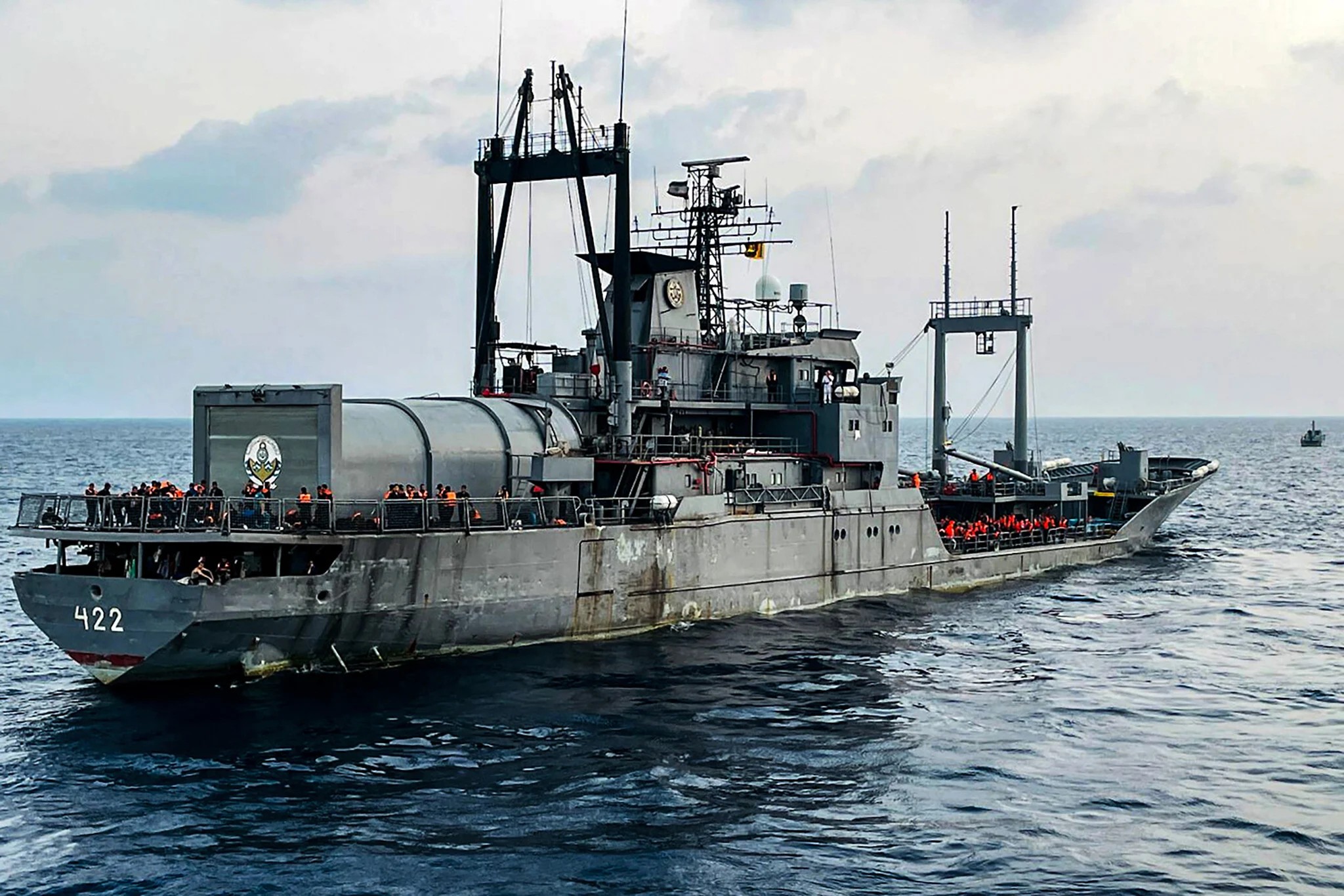
Kuwait has announced a significant reduction in its oil production following the sudden closure of the Strait of Hormuz, a critical maritime chokepoint through which nearly a fifth of the world’s oil supply normally passes. The disruption has sent shockwaves through global energy markets, triggering sharp price increases and raising concerns about supply shortages across several regions.
Officials in Kuwait confirmed that production has been temporarily scaled back as tanker traffic through the Gulf remains severely restricted. The Strait of Hormuz, located between the Persian Gulf and the Gulf of Oman, is one of the most strategically important waterways for global energy trade. With shipping halted or delayed, oil exporters across the region are facing major logistical challenges.
Kuwaiti authorities stated that the production cuts are a precautionary measure designed to manage storage capacity and prevent excess supply from building up while export routes remain blocked. “Our priority is to maintain stability in the market while ensuring the safety of maritime operations in the region,” a government energy spokesperson said.
The closure of the strait has also intensified volatility in international oil markets. Benchmark crude prices surged shortly after the disruption, as traders reacted to fears that prolonged restrictions could remove millions of barrels per day from global supply. Energy analysts warn that if the situation continues for an extended period, it could place additional strain on economies already dealing with inflation and rising energy costs.
Several Gulf producers, including Saudi Arabia and the United Arab Emirates, are reportedly reviewing contingency plans to redirect shipments through alternative routes where possible. However, experts note that the region’s export infrastructure is heavily dependent on the Strait of Hormuz, limiting the effectiveness of such measures in the short term.
Global leaders and international organizations have called for urgent diplomatic efforts to restore safe passage through the waterway. Shipping companies have already begun rerouting vessels or delaying departures, while insurance premiums for tankers operating near the Gulf have surged.
For Kuwait, one of the world’s key oil exporters, the situation presents both economic risks and strategic challenges. While higher oil prices could boost revenues, sustained disruptions could affect long-term supply commitments and trade partnerships.
Market observers say the coming days will be critical in determining how long the disruption lasts and how severely it affects global energy supplies. Until then, oil-producing nations and energy consumers alike remain on high alert as the crisis unfolds.